-
Whatsapp
+1 689 248 1956 -
Email
joannewong0817@gmail.com

 09/12/2025
More and more international students, after completing their studies abroad, seriously consider a common question: Can I smoothly transition from international student status to permanent immigration status? Behind this idea are very practical considerations—is career development more promising? Is the status more stable? Can it allow for longer-term life plans? This is why the topic of “international student to immigrant” has become a frequently asked question at various study abroad planning events, immigration fairs, and education consultations. From a macro perspective, many countries do indeed regard international students as the most ideal potential immigrant group. The reason is straightforward: you have already received education locally, adapted to the language, understood the culture, and are willing to work, and the overall integration cost is far lower than “direct immigration.” Therefore, many countries have specifically designed policies such as “post-graduation work visas,” “fast-track programs for international students,” and “points for local qualifications” specifically for international students, aiming to retain those educated locally. However, whether one can successfully transition to immigration status is not a simple “yes or no.” Different countries have different rules regarding post-graduation work visas, job requirements, salary thresholds, professional categories, and years of local experience. A student’s major, language skills, age, and internship experience directly impact their eligibility for changing their immigration status. Why are international students more likely to stay? Many countries consider international students an “ideal immigration pool.” Local qualifications signify language integration, cultural adaptation, and professional training, leading to a higher job success rate. For governments, this is more reliable and less stressful than directly selecting unfamiliar applicants from overseas. Furthermore, international students are generally younger and have a stronger desire to work, which often carries higher weight in immigration point systems. Local study experience also provides additional points; for example, Canada emphasizes “local…
 09/12/2025
Amidst the ongoing global immigration boom, more and more people, yearning for a better life, embark on journeys to explore new homes. Faced with a plethora of immigration options, new immigrants often feel lost, unsure of where to turn. An immigration expo, showcasing high-quality immigration programs and resources from around the world, acts as a beacon, illuminating the path for new immigrants and guiding them to their preferred destinations. At the expo, many European countries became the focus of attention for new immigrants. Portugal, for example, located on the Iberian Peninsula, boasts a warm and pleasant climate with abundant sunshine year-round. Whether it’s the azure seas and skies of the coast or the verdant mountains and fields of the interior, it feels like stepping into a painting. Portugal’s education system is also outstanding, with a solid foundation in basic education and internationally aligned higher education, boasting numerous world-renowned universities, providing high-quality educational resources for the children of new immigrants. Furthermore, Portugal’s healthcare system ranks among the best in Europe, with advanced medical equipment and professional medical teams safeguarding the health of its residents. Furthermore, Portugal’s immigration policy is relatively lenient. Through methods such as real estate investment, new immigrants can easily obtain residency and begin a new life in Europe. Across the ocean, Canada is also a popular choice at the immigration expo. With its vast land, abundant natural resources, and diverse and inclusive culture, Canada attracts countless new immigrants. It boasts a comprehensive social welfare system, from free healthcare to generous unemployment benefits, ensuring residents have no worries about their livelihood. In education, Canada implements a free public education policy, with schools focusing on cultivating students’ comprehensive qualities and innovative abilities, laying a solid foundation for their future development. Canada’s job market is also full of opportunities, especially in…
 08/12/2025
In today’s world where global asset allocation is increasingly popular, more and more families are paying attention to various immigration pathways. Among them, the most frequently compared are “Golden Visas” and “traditional immigration.” Both can lead to residency or ultimately a change of status, but the routes, obligations, financial requirements, and review processes are completely different. Golden Visas are generally considered more flexible and “worry-free” because they are investment-based, offering residency in exchange for lower living requirements; while traditional immigration follows a more classic overseas settlement framework, requiring genuine living, working, and paying taxes, emphasizing long-term ties with the local community. Many people are confused when choosing a path: Which one is more suitable for them? Is a Golden Visa faster? Is traditional immigration more stable? What are the costs of each? Are there any hidden obligations? This article will break down these two paths in a clearer and easier-to-understand way, allowing you to create a “choice map” in minutes: the flexibility, actual residency, review complexity, difficulty of status change, investment amount, and tax impact that you care about will all be explained below. Whether you’re choosing a future path for your child’s education or planning a global mobility backup for your family, understanding the fundamental differences between the two is always the most important first step. Application Requirements The core of a Golden Visa is investment. You only need to meet basic conditions such as the amount of investment, the source of funds, and a clean criminal record. Traditional immigration, on the other hand, focuses more on your personal abilities, such as age, language skills, education, work experience, and genuine intention to reside there. Simply put, a Golden Visa “assesses your money,” while traditional immigration “assesses you as a person.” Residence Obligations The biggest attraction…
 08/12/2025
At large overseas real estate, immigration, and education trade shows, attendees are often exposed to numerous projects, agencies, and consultants in a very short time. The atmosphere is often filled with stimulating signals like “Special offers only today,” “Limited spots available,” and “Sign up to lock in the price.” Many people, caught up in this cacophony, easily pay deposits without fully understanding the situation. However, after returning home and calming down, they begin to worry that they’ve fallen into a “deposit trap.” These traps aren’t necessarily scams; some are simply excessive marketing, some involve opaque contract design, and some may even unwittingly tie you to non-refundable fees when you just want to learn about a project. The value of trade shows is to broaden your horizons, but truly responsible judgment should be made after the trade show, not driven by its pace. To avoid “deposit anxiety” or subsequent disputes, you need to understand which tactics are most common, which details must be confirmed, which signals indicate risk, and under what circumstances you should never pay a deposit. Refuse to Pay Within a Limited Timeframe The most common deposit trap at trade shows is using a sense of urgency to push for a decision, such as, “If you don’t pay your deposit today, your spot won’t be available.” In reality, most overseas real estate and immigration projects don’t have “exhibition-exclusive spots”; the time-limited claim is mostly a marketing tactic. Anyone constantly pressuring you to pay immediately is unprofessional. At trade shows, there are never any projects that require immediate payment; giving yourself time to think is always the right choice. Is the Deposit “Refundable”? Some agencies handle deposits vaguely, mixing “consultation deposit,” “slot-locking deposit,” and “agreement deposit,” without clearly explaining them on-site. You need to ask three questions:Is…
 08/12/2025
After the National College Entrance Examination (Gaokao), many students and parents begin to look overseas, seeking broader development opportunities and more diverse educational choices. However, facing the complex application process and information gaps, efficient planning becomes crucial. At this time, a study abroad expo that gathers high-quality educational resources from around the world acts as a bridge, providing students with a fast track to world-renowned universities and helping them accurately match suitable study abroad paths. The core value of the study abroad expo lies in its “one-stop” information integration. At the expo, hundreds of institutions from popular study abroad destinations such as the United States, the United Kingdom, Canada, and Australia gather, covering diverse types including comprehensive universities, art schools, and polytechnics. For example, admissions officers from prestigious universities such as the University of Manchester in the UK and the University of Sydney in Australia are present to explain the latest admission policies and program features in detail; representatives from American community colleges showcase the “2+2 transfer” model, providing more cost-effective study options for families with limited budgets. In addition, the exhibition features a special “Scholarship Zone,” where some universities offer exclusive scholarship opportunities to participating students. For example, the “1+3 Undergraduate Direct Entry Program” in partnership with Arizona State University, offered by Maple Leaf Education Group, simplifies the application process and provides tuition fee reductions for outstanding students. Addressing the urgency of studying abroad after the Gaokao (National College Entrance Examination), the expo has outlined five fast-track pathways to meet the needs of different students. First, direct application to undergraduate programs based on Gaokao scores. Currently, some universities in the UK, Australia, and Canada accept direct applications based on Gaokao scores. For example, the University of Sydney’s business program requires a Gaokao score of 75%-80%, and the University of…
 06/12/2025
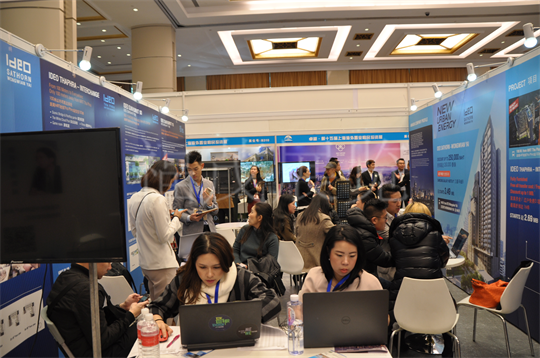
As global asset allocation awareness matures, more and more investors are considering whether it’s possible to apply for investment immigration programs in multiple countries at the same time to increase the success rate or leave more options for future family planning. This question reflects a shift in identity thinking in the era of globalization: people no longer pursue a single identity but expect greater freedom, more flexible travel conditions, safer asset arrangements, and broader educational pathways for their children. Since immigration policies vary from country to country, processing times differ, and requirements for applicants’ backgrounds also differ, applying to multiple countries seems to increase the “probability of success.” Can apply simultaneously? From a policy perspective, there is no “you can only choose one” restriction for multi-country investment immigration. Most countries will not reject your application simply because you are applying for another status. The key is whether the authenticity of the materials, the logic of the source of funds, and the legitimacy of the application purpose are consistent. As long as you can meet the requirements of each country individually, it is technically feasible. Different countries do not conflict Immigration systems between countries are independent, with no cross-checking mechanisms or shared application records. In other words, submitting materials to country A does not affect the review result in country B. What truly matters is that all your submitted materials must be logically consistent, such as income sources, asset structure, and tax declarations. Otherwise, different countries may issue completely different review conclusions, leading to accumulated risks. Time and effort costs must be considered simultaneously While simultaneous applications are possible, each immigration program involves multiple processes: material collection, lawyer communication, due diligence, financial arrangements, interviews, or requests for supplementary documents. Applying to multiple countries simultaneously means handling multiple application lines…
 06/12/2025
In recent years, investment immigration has become an important option for many families planning their future. Many hope to enhance their family’s global competitiveness through asset allocation, residency planning, educational choices, and freedom of residence. Faced with numerous policy changes, exhibition information, and institutional introductions from various countries, investors often find the information complex and difficult to judge. Because investment immigration involves law, taxation, residency, and long-term planning, it is not a project that can be easily followed simply because “someone said it’s good” or “a friend succeeded.” Many failures are not due to the policies themselves, but rather to misunderstandings about investment immigration, leading to premature decisions, blind choices, or neglecting compliance details. To safely obtain residency, the most crucial factor is not speed, but judgment; not choosing “popular projects,” but choosing a path that suits one’s goals. To help investors avoid pitfalls and repeated setbacks, I have summarized the most common misconceptions in the investment immigration process. They think the higher the investment, the more stable it will be Many people mistakenly believe that “high-amount projects are safer,” but the investment amount and success rate are not directly linked. What truly determines stability is whether the policy is stable, the regulations are clear, and whether the project itself belongs to an officially recognized path. High-value projects, especially those with unclear policies, actually carry greater risks. Focusing solely on speed, ignoring compliance Many people use “the fastest approval time” as their sole criterion, neglecting compliance. Insufficient documentation, unclear sources of funds, and unreasonable tax relationships can all lead to delays or even visa refusal. Speed can be a reference, but not the sole objective. Blindly following popular countries A new popular country may emerge each year, but every family’s background, financial structure, educational needs, and tax situation…
 06/12/2025
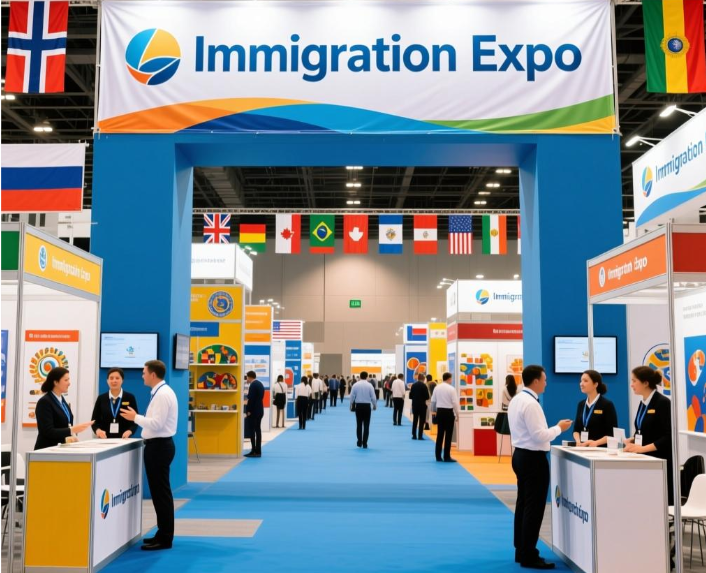
In the wave of globalization, overseas property investment and immigration have become important choices for many people seeking a new life and expanding new opportunities. However, upon arriving in a foreign country, facing an unfamiliar environment and complex procedures, many often feel lost and helpless. At this time, an immigration expo, gathering global real estate wisdom and immigration experience, acts like a lighthouse, illuminating the path forward and guiding new immigrants. This article will focus on “Ten Things You Must Do After Arrival,” combining the features of the immigration expo to provide you with a detailed guide for embarking on a new journey. Upon arriving in a foreign country, the first task is to complete identity registration and document processing. Whether studying, working, or immigrating, passports, visas, residence cards, or green cards are your “passports” in your new country. At the immigration expo, you can find professional immigration consultants who can not only explain the application process for various documents in detail but also provide personalized advice based on your specific circumstances, ensuring a smooth identity registration process. At the same time, don’t forget to complete the address registration within the specified time; this is the first step in establishing yourself in your new country. Following this, opening a bank account and financial planning become crucial issues for new immigrants. Financial systems and payment habits vary across countries, making efficient financial management a key concern for many. Immigration expos bring together numerous internationally renowned banks and financial institutions, offering not only account opening guidance but also customized cross-border financial planning solutions based on your financial situation and needs, enabling your assets to grow steadily globally. The convenience of communication and transportation directly impacts the quality of daily life for new immigrants. At immigration expos, you can learn about major local…
 05/12/2025
At large overseas real estate, immigration, and study abroad exhibitions, visitors are typically exposed to a wealth of information about agencies, projects, and policies. The lively and fast-paced communication can easily lead to information overload. Many exhibitors appear highly professional: beautifully designed booths, comprehensive materials, and smooth explanations. Coupled with marketing tactics like “limited-time offers” and “exclusive slots,” it’s easy to mistakenly believe their qualifications are inherently reliable. However, truly rational investors and decision-makers often prioritize the crucial step after the exhibition—systematically and objectively verifying the agency’s qualifications. The exhibition is the first step; judgment is the second. Truly safe choices always occur in a calm state of mind. Especially in overseas asset allocation, immigration planning, or education services, the agency’s legitimacy, professionalism, and stability directly impact fund security, timeline control, and outcome implementation. Therefore, post-exhibition verification is more important than on-site impressions. Does the Agency Have Complete Business Licenses? The most basic step after the exhibition is to check whether the agency possesses legal registration information and operating licenses. Whether providing overseas real estate, immigration consulting, or education services, registration and filing in the corresponding country or region are mandatory. Import/export businesses and multi-country investment consulting may even require dual licenses. You can request the agency to provide your business license, registration number, and office address information, and then compare this information through the local official business registration system. Legitimate agencies will provide this information openly; the more evasive they are, the more wary you should be. Is there a legitimate partner? Many agencies claim to have “deep cooperation with developers in a certain country” or “exclusive partnerships with a certain law firm,” but verbal promises made at trade shows are cheap, so post-show verification is crucial. You can directly email the overseas partner or consult…
 05/12/2025
At various overseas real estate, immigration, study abroad, and cross-border investment trade shows, what attracts visitors most is often the “sense of opportunity”: limited-time offers, new policy windows, high-return projects, exclusive channels… These words can quickly grab attention and easily create decision-making pressure amidst the information overload. However, precisely because trade shows gather projects from different countries, institutions, and fields, with varying information content, levels of professionalism, and packaging methods, they are particularly prone to “misleading”—not necessarily because the project itself is problematic, but because its promotional methods, presentation angles, or the audience’s own understanding can amplify, weaken, or even completely deviate from the facts. Judging which projects are most likely to cause misunderstanding is essentially judging which themes have the characteristics of “high information complexity, rapid policy changes, sounding too tempting, and requiring in-depth verification of details.” At trade shows, those without time for in-depth research and without professional background are more easily led astray by superficial descriptions. Therefore, understanding which project risks “lies not in the projects themselves, but in misunderstandings” can help visitors remain calm and filter out truly reliable, feasible, and risk-free solutions from numerous opportunities. “Seeing projects” is easy; “understanding projects” is the true value of an exhibition. Which projects are most easily misunderstood? “Guaranteed Profit” Investment Projects The most common misconceptions at exhibitions come from claims of “high returns,” “low risk,” “guaranteed returns,” and “fixed dividends.” The reasons are simple: Investments inherently fluctuate and cannot be absolutely stable. Exhibition time is short, making it difficult to explain all the risks. Some projects only emphasize their highlights without mentioning limitations. “Over-packaged returns” is the most common misconception at investment exhibitions. The more unbelievably good something sounds, the more cautious you need to be. Overly Simplified Immigration Projects Immigration is a typical area…
 05/12/2025
Whether it’s overseas real estate, investment immigration, or international education trade shows, the most pressing question for visitors is often not “Does the project sound good?” but rather, “Is it genuine and reliable?” With the increasing number of cross-border investment channels and the growing variety of projects, the information gap is widening. Without professional background, it’s easy to be overwhelmed by promotional slogans, discounts, and “limited-time offers” at a trade show, even neglecting the most crucial criterion: the authenticity and legality of the project. At trade shows, exhibitors may come from different countries and organizations, including developers, immigration lawyers, government promotion agencies, market intermediaries, and service providers. On the surface, everyone may seem knowledgeable, but the level of risk, legal basis, qualifications, feasibility, delivery capabilities, and regulatory status of their projects can vary drastically.Therefore, determining the authenticity of a project is not only about avoiding risk but also about providing a fundamental layer of protection for family wealth, immigration planning, and long-term international strategy. By mastering key judgment methods, even those without industry expertise can “understand clearly, ask professional questions, and see clearly” at trade shows. What to look for to verify authenticity? First, identify the organization. Before judging a project, judge the people involved. At trade shows, it’s crucial to understand the type of organization: Official promotional agency? Licensed lawyer or consultant? Developer? Investment platform? Intermediary/agent? Different roles offer varying levels of information depth and have different responsibilities. The more transparent the organization, the clearer its qualifications, and the stricter the oversight, the more reliable the project’s authenticity. Verify documents and qualifications Check licenses, permits, and registration information. Any cross-border service or investment project should have corresponding business licenses, professional licenses, immigration service licenses, development qualifications, or legal permits. At trade shows, you can directly request to…
 05/12/2025
In the wave of global economic integration, overseas real estate markets, with their unique investment appeal, attract the attention of numerous domestic homebuyers and investors. However, investing in overseas off-plan properties is not without its risks, fraught with challenges. From capital security and legal compliance to market volatility and cultural differences, every step requires careful consideration. Against this backdrop, a real estate exhibition focusing on risk management in overseas off-plan properties undoubtedly provides investors with a bridge to understand these risks and seize opportunities. The most pressing risk in overseas off-plan property investment is financial risk. Unlike domestic home purchases, overseas off-plan properties often involve cross-border capital flows, with exchange rate fluctuations, foreign exchange controls, and capital security being ever-present concerns. For example, even small exchange rate fluctuations can significantly impact investment returns; a sharp appreciation of the exchange rate during the sales period could instantly erode locked-in profits. Furthermore, the vast differences in foreign exchange policies between countries make the process of transferring funds out and inward complex and time-consuming, potentially leading to a cash flow crisis. Therefore, the presence of professional financial institutions at real estate exhibitions is particularly important. They not only provide investors with detailed exchange rate risk hedging strategies, such as using foreign exchange forwards and futures for hedging, but also assist in planning capital flow paths to ensure that every penny reaches its destination safely and efficiently. Legal compliance risk is also an indispensable aspect of overseas off-plan property investment. Each country’s real estate legal system, property registration system, and transaction process are unique, and even slight negligence can cross legal boundaries. From the clarity of property rights to transaction permits, from tax payments to contract terms, every detail requires strict scrutiny. At real estate exhibitions, on-site consultations and lectures by legal experts are…
 Number
Call Now:
139 1723 4508
 WeChat
 Form
FormBook Your Booth
Complete your information immediately and provide you with exclusive services!
Back to Top

