-
Whatsapp
+1 689 248 1956 -
Email
joannewong0817@gmail.com

 31/01/2026
In the wave of globalization, more and more people are turning their attention overseas, seeking better living environments, educational resources, or business opportunities. Investment immigration, as an efficient pathway, is attracting numerous high-net-worth families. However, immigration policies vary significantly across countries, with different processing speeds, financial thresholds, and additional conditions. Which countries offer the fastest investment immigration routes? This article will reveal five popular destinations to help you accurately match your needs and start a new chapter in your life. Vanuatu: A South Pacific Pearl with a Passport in 30 Days If you’re looking for lightning speed, Vanuatu is undoubtedly the top choice. This South Pacific island nation’s investment citizenship program is considered one of the fastest passport programs in the world. Applicants only need to donate US$130,000 to the government’s development fund, with no language, education, or residency requirements, and citizenship can be granted in as little as 30 days. A Vanuatu passport offers visa-free access to over 130 countries, including the Schengen Area, the UK, and Singapore, greatly facilitating business travel and global asset allocation. Furthermore, the local tax policy is favorable, with no personal income tax or capital gains tax, attracting many entrepreneurs and investors. Turkey: A Eurasian Hub Approved in 4 Months Turkey’s Citizenship by Investment Program has become a dark horse in the global immigration market due to its “fast and practical” advantages. Applicants only need to purchase real estate worth US$400,000 or invest an equivalent amount in government bonds to obtain a Turkish passport within 4 months. This passport offers visa-free access to 128 countries, including developed Asian countries such as Japan, South Korea, and Singapore, and also allows for the application of a US E-2 visa, enabling indirect access to the US. Turkey’s strategic location at the crossroads of Europe and Asia,…
 30/01/2026
With increasingly interconnected global economies, overseas real estate investment is gaining wider attention. More and more investors are focusing on real estate markets in different countries and regions, hoping to diversify their asset allocation, upgrade their living needs, or achieve long-term stable returns through overseas property investment. However, the fragmented nature of overseas real estate market information, complex policies, and significant language and cultural differences present considerable challenges for investors in understanding and making informed judgments. Against this backdrop, overseas real estate expos have emerged and are gradually becoming important platforms for understanding global real estate investment. The biggest features of overseas real estate expos are their “centralization” and “efficiency.” Real estate developers, intermediaries, and related service providers from multiple countries and regions gather together, presenting investors with information that was previously scattered across various markets. Whether you are a newcomer just starting to explore overseas real estate or an experienced investor, you can quickly learn about market conditions, project types, and investment methods in different countries at the expo. This one-stop information access method significantly reduces the learning and time costs associated with overseas real estate investment. Centralized Presentation of the Global Market The most prominent advantage of overseas real estate expos is their centralized display of global real estate market information. At the expo, investors can simultaneously access real estate projects from multiple regions across the Americas, Europe, and Asia, encompassing various types including residential, commercial, and vacation properties. This concentrated presentation allows investors to quickly gain a comprehensive understanding of the global real estate market. Through on-site demonstrations and explanations, investors can learn about price levels, investment thresholds, purchase processes, and holding costs in different countries. Compared to piecemeal research or individual consultations, this systematic approach to information acquisition is more intuitive and facilitates clearer judgments….
 30/01/2026
In today’s increasingly globalized world, people have broader perspectives on life, career, and asset allocation. Citizenship by investment, once a relatively niche concept, is gradually gaining mainstream attention and becoming an important choice for many to plan their future and expand their life’s horizons. So, what exactly is citizenship by investment? Definition and Forms of Citizenship by Investment Simply put, citizenship by investment is a way for individuals to obtain citizenship in a specific country by making a qualified investment. There are various forms of investment, with real estate investment being a common one. Investors purchase real estate of a specified value in the target country, hold it for a certain period, and then apply for citizenship if they meet relevant conditions. For example, some European countries stipulate that purchasing real estate of a certain value, holding it for several years, and meeting residency requirements can lead to citizenship. Government fund donations are also a form of investment. Some countries have established dedicated government funds, to which investors donate a certain amount of money in exchange for citizenship. The advantage of this method is its relatively simple process and the absence of concerns about the subsequent management and disposal of the property. Investment in commercial projects also attracts considerable attention from investors. Investors can obtain citizenship by investing in and establishing businesses or participating in existing commercial projects in a target country, creating jobs and driving economic development. This not only brings commercial benefits to investors but also contributes to local economic prosperity. The Historical Origins of Citizenship by Investment Citizenship by investment is not a new concept; its history dates back to the 1980s. At that time, some Caribbean countries pioneered similar programs to attract foreign investment and promote their economic development. These countries attracted numerous…
 30/01/2026
Driven by globalization, overseas real estate investment has gradually become an important part of asset allocation for many investors. Whether pursuing asset diversification or seeking higher investment returns, overseas real estate seems to exude an alluring glow. Various real estate-related exhibitions and events occasionally build bridges for investors to access overseas property projects, showcasing the vibrant overseas real estate market. However, behind this glamorous facade, are there hidden risks? Is overseas real estate a safe haven for investment, or a whirlpool of hidden risks? What makes overseas real estate investment so attractive? The primary reason for the popularity of overseas real estate investment lies in its potential for appreciation. In regions with rapid economic development and continuous population growth, the real estate market often exhibits strong growth momentum. For example, in some emerging markets in Southeast Asia, with the continuous improvement of infrastructure and the influx of foreign capital, housing prices and rental levels have continued to rise, bringing considerable returns to investors. At some real estate exhibitions, projects in these popular regions often become the focus, attracting the attention of many investors and giving them hope for wealth growth. Furthermore, overseas real estate investment can help investors diversify their assets and mitigate the risks brought by fluctuations in the domestic market. When the domestic real estate market experiences adjustments, the stable performance of overseas markets may offer investors a sense of security. By participating in relevant exhibitions, investors can access real estate projects from around the world in one place, easily achieving cross-regional asset allocation and broadening their investment horizons. The risks of overseas real estate investment cannot be ignored However, overseas real estate investment is not without its challenges, and numerous risks lurk beneath the surface. Policy risk is one of the most significant. Real estate…
 29/01/2026
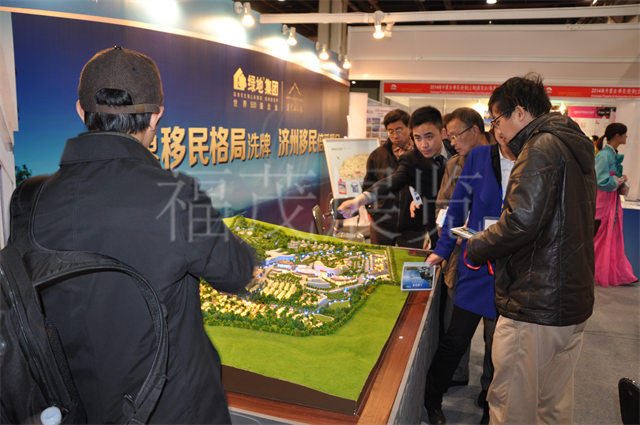
In the context of increasingly interconnected global economies, expos have become more than just platforms for showcasing products and services; they have become vital bridges connecting different countries, cultures, and markets. Whether you are a business, an industry professional, or a general visitor, participating in expos allows you to access information and perspectives from around the world in a short period, effectively expanding your international perspective. Compared to acquiring information through single channels, expos, with their concentrated and interactive nature, provide participants with a more intuitive and comprehensive international learning experience. Many people have a rather abstract understanding of “international perspective,” believing that it can only be truly formed by living or working abroad for an extended period. However, expos are actually a low-cost, high-efficiency way to help participants quickly understand the international market landscape, industry development trends, and different national ways of thinking. Through face-to-face exchanges, physical displays, and on-site activities, participants can transform previously scattered and abstract international information into concrete and tangible experiences—this is the key value of expos in expanding international perspectives. Concentrated Understanding of the Global Market One of the biggest features of expos is that they bring together companies, institutions, and projects from different countries and regions in a single space. Participants can access products, technologies, and services from multiple countries in a short time, thus gaining a holistic understanding of the global market. This centralized exhibition helps break down information barriers, allowing participants to transcend the limitations of their local markets. By comparing product positioning, price levels, and market strategies across different countries, participants can gain a clearer understanding of the differences between countries within the same industry. This horizontal comparison helps establish a global perspective, avoiding the use of local standards to judge international markets. Understanding Different Cultural Backgrounds The…
 29/01/2026
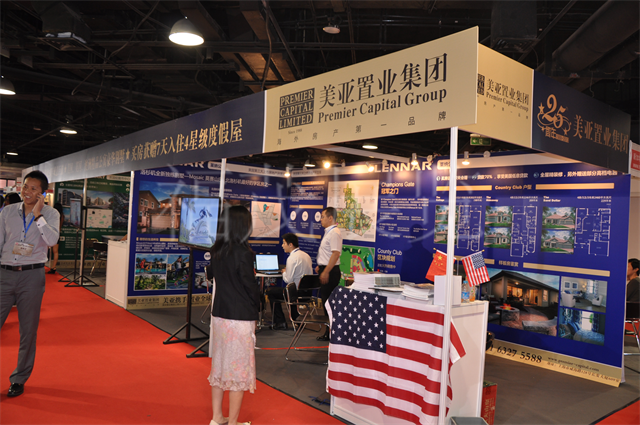
In the global asset allocation wave, the US real estate market has become a focal point for overseas investors due to its stable market environment, transparent legal system, and diversified investment options. Whether you are a conservative investor seeking long-term rental income or an aggressive buyer aiming for property appreciation, the US market offers suitable targets. However, cross-border investment involves multiple challenges, including capital flows, tax planning, and legal compliance, making systematic planning crucial. This article will analyze the market from four dimensions: market selection, capital flow, legal compliance, and risk management, providing investors with a practical operational guide. Precise Positioning: Choosing the Right Market and Targets The US is vast, and the characteristics of real estate markets vary significantly across different regions. Investors need to select core areas based on their own goals and risk appetite. For example, first-tier cities like New York and San Francisco have strong economic vitality and continuous population inflows, resulting in resilient property prices, but the investment threshold is high, making them suitable for long-term holders with ample funds. Emerging cities like Austin, Texas, and Tampa, Florida, have seen significant price increases due to industrial upgrading and population migration, and rental yields are generally higher than the national average, making them suitable for investors seeking appreciation potential. Furthermore, the choice of property type is equally important—detached houses are suitable for suburban areas with high family rental demand, apartments are better suited to young renters in urban core areas, and commercial real estate (such as warehousing and logistics) requires attention to regional industrial planning and logistics network layout. Funding Path: Establishing Cross-Border Payment and Financing Channels One of the core challenges of overseas investment is the cross-border flow of funds. Investors need to plan their funding sources and payment methods in advance to avoid…
 29/01/2026
In the global education landscape, the UK and the US consistently occupy a central position. Their education systems are distinct, reflecting different educational philosophies in everything from curriculum design and assessment methods to university pathways. For students planning to study abroad, choosing the right system not only impacts academic development but also influences future career planning and life trajectory. This article will compare the two systems across four dimensions: educational philosophy, curriculum structure, curriculum features, and assessment methods, helping readers find the most suitable educational path for themselves. Educational Philosophy: Traditional Rigor vs. Freedom and Innovation The British education system is rooted in a strong academic tradition, emphasizing the systematic mastery of knowledge and the training of logical thinking. Whether it’s the national curriculum at the primary level or the GCSE and A-Level exams at the secondary level, the core objective is in-depth subject knowledge. For example, A-Level courses require students to choose 3-4 specialized courses for in-depth study, with exam difficulty approaching university levels. This “early specialization” model is suitable for students with clear goals and a talent for in-depth research. In contrast, American education focuses more on cultivating a “whole person,” encouraging students to explore diverse interests. High school offers a wide range of elective courses, from programming to drama; the first two years of university are dedicated to general education, allowing students to take courses across disciplines and even delay choosing a major. This flexibility provides ample room for exploration for students with broad interests who are still undecided. Educational Structure: Compact and Efficient vs. Flexible and Diverse The British education system is known for its “short, efficient, and fast” pace. Undergraduate degrees typically last three years, and master’s degrees only one year, requiring students to complete intensive studies in a short period. This design saves…
 28/01/2026
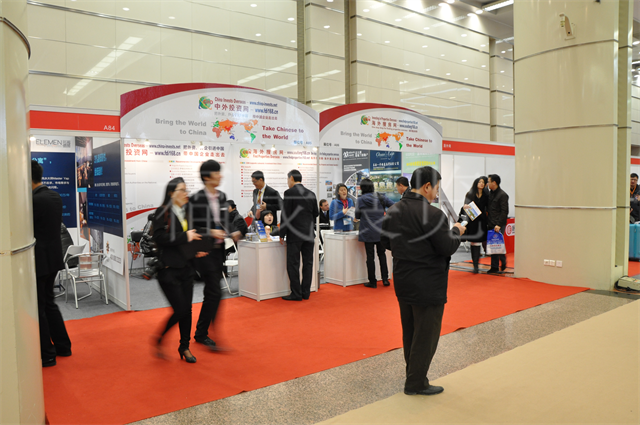
In international trade, finding stable and reliable overseas buyers is one of the most crucial tasks for foreign trade companies and export-oriented factories. While the widespread use of online platforms seems to offer more ways to acquire customers, in practice, truly high-quality overseas buyers with a strong willingness to close deals remain prevalent at offline trade shows. Various international and professional exhibitions have long been important venues for overseas buyers and crucial channels for foreign trade companies to expand into overseas markets. Finding overseas buyers through trade shows is not simply about “attending one show and getting orders.” The trade show channel is more like a systematic project, encompassing pre-show preparation and selection, on-site communication methods, and ongoing follow-up after the show. Many companies participate in trade shows year after year, but the results vary greatly. The reason often lies not in the trade shows themselves, but in whether they truly understand and utilize the characteristics of the “trade show channel.” Only with clear goals and appropriate methods can trade shows truly become an effective bridge connecting companies and overseas buyers. Choosing the Right Trade Show The first step in finding overseas buyers is choosing the right trade show. Different trade shows have vastly different focuses. Some emphasize brand showcasing, others prioritize procurement matchmaking, and still others lean towards industry exchange. When choosing a trade show, foreign trade companies shouldn’t just consider its size and reputation, but rather its alignment with their products and target market. Generally, highly specialized, industry-focused trade shows are more likely to attract genuinely interested international buyers. For example, specialized trade shows targeting a specific industry segment allow buyers to have clear objectives, leading to more efficient communication. In contrast, while general trade shows attract large crowds, the cost of customer screening is also higher. Clearly…
 28/01/2026
As traditional immigration channels gradually close due to tightening policies, an innovative “property-for-citizenship” model is sweeping the globe—obtaining Golden Visas through real estate investment. From sea-view properties in Greece along the Mediterranean coast to holiday villas in the Caribbean, savvy investors have discovered that purchasing overseas property not only yields asset appreciation but also unlocks multiple benefits such as residency rights, educational opportunities, and tax advantages. This “killing multiple birds with one stone” strategy is reshaping the global asset allocation logic of high-net-worth individuals. Policy Dividends: How Countries Attract Global Capital Through Real Estate Europe has become the main battleground for this transformation. Portugal pioneered the “Golden Residence Permit Program,” allowing investors to obtain residency by purchasing real estate worth €500,000. This model was quickly imitated by countries such as Spain and Greece. Greece further lowered the threshold to €250,000, launching a “€250,000 property purchase for three generations of the family to immigrate” policy, directly igniting market enthusiasm. These projects generally allow property rentals, allowing investors to enjoy an average annual rental return of 4%-6% while obtaining residency. The Caribbean region, however, has taken a different approach. St. Kitts and Nevis has launched a “real estate + citizenship” package, allowing investors who purchase real estate worth over US$400,000 to resell it after five years while retaining their citizenship. This “identity assetization” design makes real estate a tradable “hard currency.” Antigua and Barbuda has innovatively introduced a “National Development Fund + Real Estate” dual option to cater to different investment preferences. Emerging Asian markets are also keeping pace. Malaysia’s “My Second Home” program, while not strictly a golden visa, grants a 10-year renewable residency permit by purchasing real estate worth over RM500,000. This “quasi-immigration” policy has attracted a large influx of retirees and remote workers to tourist destinations like…
 28/01/2026
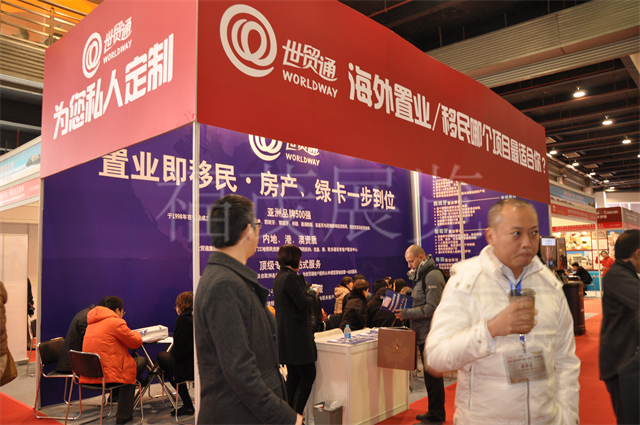
As globalization reshapes the wealth landscape, the asset allocation of high-net-worth individuals has long transcended geographical boundaries. Investment immigration, once considered an option exclusively for the wealthy, is becoming a “golden springboard” for an increasing number of families to achieve educational advancement, wealth preservation, and business expansion. From children gaining admission to world-renowned universities to companies establishing offshore structures, investment immigration offers more than just a change in status; it provides a complete resource integration solution. Educational Advancement: Paving the Way for the Next Generation’s International Track In the fiercely competitive education sector, investment immigration provides children with a shortcut to success. Taking the US EB-5 investment immigration program as an example, green card holders enjoy the same admission pathway as local students, significantly increasing their chances of entering top universities like Harvard and Stanford. More importantly, they do not need to compete with global applicants for limited spots, and their choice of major is no longer restricted by international student quotas. This advantage is equally significant in Europe. Children of Portuguese Golden Visa holders can not only apply to prestigious universities like Oxford and Cambridge as EU students but also gain admission to top domestic universities with lower scores through the Joint Entrance Examination for Overseas Chinese Students. This flexible “offensive and defensive” approach is precisely the educational safety net that investment immigration provides to families. Wealth Preservation: Building a Global Asset Firewall Amidst intertwined unilateralism and geopolitical conflicts, diversified asset allocation has become a consensus among high-net-worth individuals. Investment immigration, through a dual allocation of “residency + assets,” adds double insurance to wealth security. For example, through the Greek real estate investment immigration program, investors can not only obtain EU residency but also generate stable cash flow through property rentals, while mitigating the risk of single-currency…
 27/01/2026
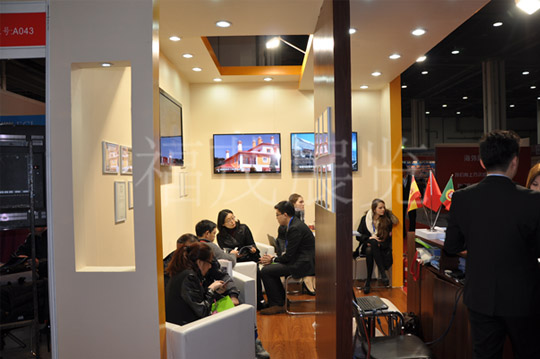
Against the backdrop of a constantly changing international trade environment, various international trade shows remain an important channel for foreign trade enterprises to acquire customers, showcase products, and establish cooperative relationships. Compared to email, telephone, or online platforms, trade shows provide opportunities for face-to-face communication, allowing enterprises and buyers to establish intuitive understanding and initial trust in a short period of time. Therefore, the quality of communication at the trade show often directly affects whether customers are willing to communicate further, and even determines whether cooperation can be achieved. For foreign trade enterprises, participating in trade shows is not just about “putting products on display,” but more importantly, “speaking effectively and communicating clearly with people.” Many foreign trade enterprises invest a lot of time and money before participating in trade shows, but the results during on-site communication are not ideal. Some sales personnel are not good at communication and only passively answer questions; some present overly complex content, making it difficult for buyers to grasp the key points; others ignore cultural differences, leading to an awkward atmosphere. These problems are not caused by the products themselves, but by inappropriate communication methods. In fact, trade show communication is a skill that requires both efficient information delivery and making buyers feel relaxed and respected. This article will provide practical skills for foreign trade companies to master when communicating with buyers at trade shows, covering aspects such as pre-show preparation, on-site communication, needs assessment, and follow-up. These skills will help companies better utilize trade show opportunities and improve communication efficiency and the likelihood of closing deals. Adequate Pre-Show Preparation Effective communication often begins before the trade show. Before participating, foreign trade companies should have a basic understanding of their target customers, such as the countries, industries, and customer types they primarily target. Based…
 27/01/2026
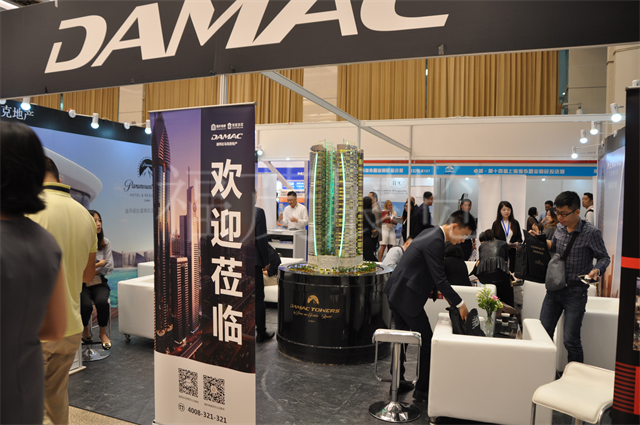
In the context of increasing global economic integration, overseas real estate has gradually become an important area of focus for many investors, practitioners, and related institutions. Overseas real estate expos have emerged in this environment and have gradually developed into an important platform integrating information exchange, project display, cooperation negotiation, and resource matching. For individual investors, expos are a window to understanding overseas markets; for real estate companies and agencies, expos are an important channel to expand clients, build brands, and find partners. Therefore, participating in overseas real estate expos is not merely “visiting” or “exhibiting,” but has multiple practical significance and value. Many people’s understanding of overseas real estate expos is still limited to “looking at projects” and “listening to introductions,” believing it’s simply about obtaining project information. However, the core value of expos goes far beyond this. They provide a highly concentrated information environment and exchange scenario, allowing exhibitors to access real estate market information from multiple countries and regions in a short period, understanding different types of projects, policy backgrounds, and market demands. At the same time, through face-to-face communication, exhibitors can more intuitively judge project quality and the professionalism of potential partners—an experience that is difficult to replace through online channels. Centralized Market Information Acquisition The most direct and fundamental value of overseas real estate expos lies in their highly centralized information. Normally, understanding the real estate markets of multiple countries requires consulting numerous documents and communicating with different organizations, which is time-consuming and laborious. However, at an expo, developers, agents, and service providers from different countries and regions showcase their projects, allowing attendees to compare and understand multiple markets simultaneously in one place. This centralized information acquisition method helps attendees quickly build a comprehensive understanding of overseas real estate markets. For example, price levels,…
 Number
Call Now:
139 1723 4508
 WeChat
 Form
FormBook Your Booth
Complete your information immediately and provide you with exclusive services!
Back to Top

