
-
Whatsapp
+1 689 248 1956 -
Email
joannewong0817@gmail.com

 17/03/2026
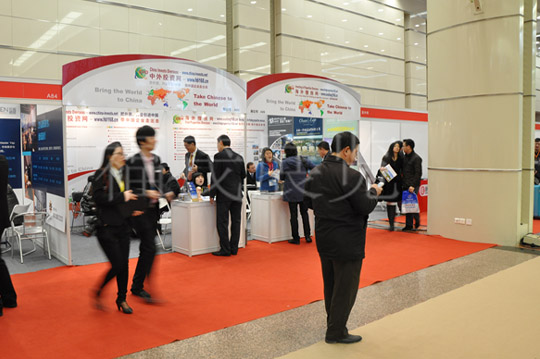
Against the backdrop of increasingly frequent cross-border investment and global resource flows, cooperation models in the real estate industry are constantly expanding. Overseas real estate exhibitions are gradually becoming an important window for enterprises to explore international markets. They not only serve as project showcases but also build efficient communication bridges for various stakeholders. On such platforms, developers, distributors, and investors from different countries and regions can directly exchange ideas and quickly establish connections. Compared to traditional methods, this centralized form of communication is more efficient and facilitates actual cooperation. By continuously optimizing the display and matchmaking mechanisms, exhibitions are becoming an important vehicle for promoting business cooperation, allowing enterprises to find development opportunities in a broader market environment and making cooperation paths clearer. Centralized Resource Matching Facilitates Cooperation Overseas real estate exhibitions provide a concentrated opportunity for various resources to be showcased, making cooperation easier to achieve. Multi-type Resources Converge: Developers, agencies, and investors appear on the same platform, reducing the time cost of finding partners. Efficient Communication Speeds Up Cooperation: Face-to-face communication can quickly clarify needs and cooperation directions, helping to advance the cooperation process. Through the centralized integration of resources, the process from initial contact to final implementation of cooperation is effectively shortened. Increased Project Exposure Drives Business Opportunities Exhibitions provide projects with broader display channels, allowing more potential partners to learn about relevant information. Expanding Project Influence: On-site displays and promotions can garner more attention and recognition for projects. Attracting Diverse Partners: The participation of different types of visitors creates more cooperation possibilities for projects. Increased project exposure leads to more business cooperation opportunities. Strengthening Trust and Facilitating Cooperation Implementation Business cooperation relies on trust, and exhibitions have a unique advantage in this regard. Authentic Displays Enhance Credibility: On-site displays allow partners to…
 17/03/2026
In the context of continuous globalization, cooperation in the real estate industry is no longer limited to a single region. More and more companies are focusing on overseas markets, hoping to find cooperation opportunities through broader platforms. Overseas real estate exhibitions play a vital role in meeting this demand. They are not only windows for project display but also important bridges connecting resources from different countries. By showcasing various high-quality real estate projects and services in a concentrated manner, participating parties can achieve efficient communication in the same space, thereby promoting the establishment of cooperative relationships. For companies, these exhibitions not only help expand markets but also provide opportunities to acquire more industry information through exchanges, making their development direction clearer. Concentrated Resource Display Improves Matchmaking Efficiency Overseas real estate exhibitions bring together projects and companies from different regions, providing a good foundation for cooperation. Multiple Resources Presented on One Platform: Developers, investors, and service providers can exchange information in the same setting, reducing the time cost of information acquisition. Face-to-Face Communication is More Efficient: On-site exchanges can quickly build trust and are more conducive to a deeper understanding of cooperation needs. By concentrating resources, cooperation opportunities become clearer, and communication becomes smoother. Facilitating Cross-Regional Information Exchange Information sharing is crucial for international cooperation, and exhibitions serve as an important channel for achieving this. Understanding Different Market Characteristics: Exhibitors can obtain relevant information on market environments and project situations in various regions through exchanges. Enhancing Decision-Making Value: Abundant information sources help in making more comprehensive judgments before cooperation. Strengthening information exchange makes cooperation more rational and feasible. Strengthening Brand Trust and Cooperation Foundation Trust is an important prerequisite in international cooperation, and exhibitions can strengthen this to a certain extent. Showcasing Corporate Strength and Project Advantages:…
 16/03/2026
As international education exchanges continue to grow, more students and families are paying attention to study abroad planning. A common question that arises is: when should study abroad planning begin? Many people assume that preparing just one year before applying is enough, but in reality, it is often insufficient. Studying abroad involves multiple aspects, including language proficiency, academic performance, school selection, and application materials. Starting preparation too late can make the process rushed and stressful. Early, systematic planning allows students to gradually improve their abilities and makes the application process more organized, increasing the chances of gaining admission to their desired schools. Why study abroad planning needs to start early The study abroad application process usually requires a long preparation period. From language learning to material preparation, every step takes time. Starting early gives students more control during the application phase and increases the likelihood of achieving favorable results. Language preparation takes time: Most overseas schools require standardized language test scores, such as IELTS or TOEFL. Language proficiency develops over time, and starting preparation too late often makes it difficult to achieve the desired scores. Academic performance needs consistent effort: Universities review not only exam results but also overall academic performance over time. Early planning helps students maintain steady academic achievements. Background activities require gradual accumulation: Many schools consider extracurricular involvement, research projects, and social activities during admissions. These experiences typically take time to develop. Application materials require careful refinement: Personal statements, recommendation letters, and resumes often need multiple revisions. With ample preparation time, students can more clearly express their academic goals and future plans. Study abroad preparation at different stages Study abroad planning is not something that starts at a single point in time; it can be implemented gradually according to the student’s academic stage. Each stage has…
 14/03/2026
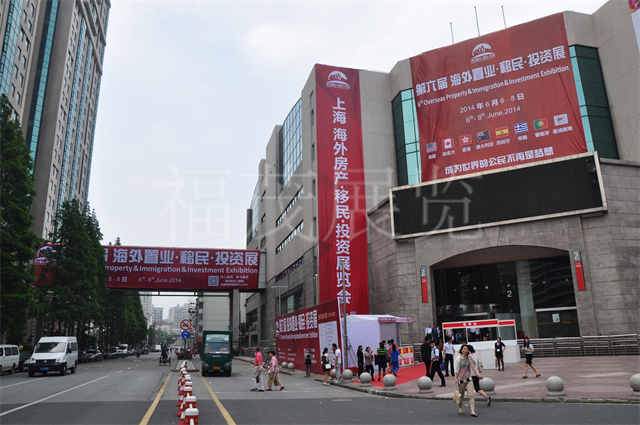
As global real estate markets continue to develop, more investors are paying attention to overseas property investment. Compared with concentrating assets in a single region, overseas real estate can help diversify investment risks while offering potential rental income and long-term asset appreciation. However, because cross-border property investment involves legal systems, transaction procedures, and financial arrangements in different countries, it usually follows a structured process. Understanding the overall investment procedure in advance can help investors plan each step more clearly and reduce uncertainties during the process. Many investors also attend real estate exhibitions or investment expos to learn about international property projects and investment procedures before making decisions. Market research and project selection before investing Before entering an overseas real estate market, investors need to conduct thorough research and carefully select potential projects. The main goal of this stage is to understand the real estate environment of the target country and determine the most suitable investment direction. Define investment goals: Investors should clarify whether the purpose is asset diversification, rental income, long-term appreciation, or future personal use, as this will influence the type and location of the property. Study national and city markets: Understanding the economic conditions, population movement, and property market trends of the target country helps evaluate long-term investment potential. Evaluate specific real estate projects: Consider factors such as property location, transportation access, surrounding facilities, and future development plans. Review the developer’s background: Investigate the developer’s reputation and past projects to ensure the quality and reliability of the development. At this stage, investors often review market reports, consult professional advisors, or attend real estate exhibitions to compare property opportunities across different countries. Property transaction procedures and legal verification After selecting a suitable property project, investors move into the formal transaction stage. Because legal systems differ from country to…
 13/03/2026
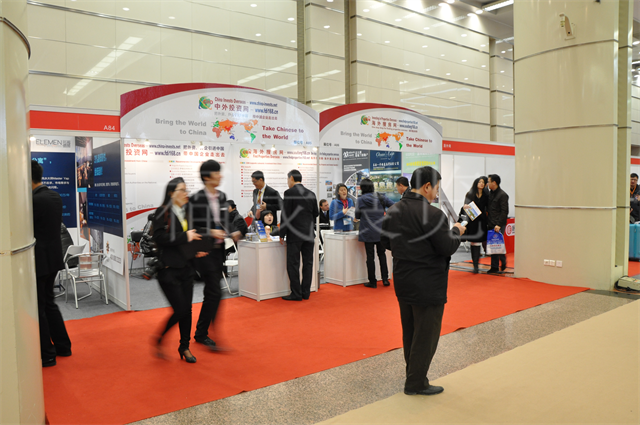
Investment immigration has increasingly become a popular strategy for high-net-worth individuals and families seeking international residency planning. Through investment immigration, applicants can not only obtain overseas residency or even citizenship but also gain more options in education, healthcare, lifestyle, and wealth management. With globalization and the growing mobility of talent, investment immigration is gradually viewed as an important means to improve quality of life and optimize family planning. Many families attend investment expos to learn about different countries’ investment immigration programs and obtain the latest policy information, helping them make more informed and strategic decisions. Obtaining international residency and citizenship One of the core advantages of investment immigration is that it provides legal overseas residency, and in some countries, applicants may directly obtain citizenship. With the status granted, family members can enjoy flexible living and travel arrangements, which is particularly valuable for those seeking a transnational lifestyle. Flexible living arrangements: Applicants can choose to reside long-term, short-term, or travel frequently in the host country, enjoying a high degree of mobility. Coverage for family members: Most investment immigration programs allow spouses and children to apply together, enabling access to education, healthcare, and social benefits. Travel convenience: Holding the host country’s status often provides visa-free access or simplified visa procedures, making international travel for business, leisure, or work easier. Life security: Choosing to live in a country with stable political and economic conditions helps safeguard family well-being and property, reducing uncertainties. Through investment immigration, families can enhance international mobility and create broader opportunities for children’s education and career development. Educational and lifestyle advantages Investment immigration provides significant benefits for family life and children’s education, which is a key reason many families pursue this route. Access to quality education: Children can attend local schools, international schools, or universities, benefiting from high-quality educational…
 12/03/2026
As global economic connections continue to strengthen, more investors are paying attention to overseas real estate markets. Compared with concentrating assets in a single region, overseas property can provide more diversified investment channels and may also generate rental income and long-term asset appreciation. With the acceleration of global capital flows, overseas real estate has gradually become an important option for many families when planning their assets. Many investors also attend real estate exhibitions or investment expos to learn about property markets and opportunities in different countries, helping them identify suitable investment directions. Growing demand for global asset allocation As wealth accumulation increases and awareness of international investment expands, more investors are beginning to allocate assets globally. Risk diversification: Investing in real estate across different countries can help reduce the impact of fluctuations in a single market. Long-term asset preservation: Some international property markets are relatively stable and can help investors maintain long-term asset value. Diversified investment channels: Overseas real estate provides an alternative investment option compared with stocks or financial products. Cross-border living needs: Some investors want to own property abroad for vacation, retirement, or their children’s education. Overseas real estate market potential attracts investors Different countries and cities are at different stages of development, and some emerging cities or popular regions offer significant growth potential. Urban development driving property value: Infrastructure improvements and economic growth can stimulate real estate markets. Stable rental demand: Many international cities have strong rental markets that can generate rental income for investors. Tourism and commercial development: Tourist destinations and major business centers often attract strong property demand. Increasing global mobility: The growing movement of people across countries also supports housing demand in international cities. Many investors learn about property projects from different countries during real estate exhibitions or investment expos, allowing them to…
 11/03/2026
With the continuous development of international education, more and more students are choosing to study abroad. Studying overseas not only means experiencing a different education system but also involves adapting to a new living environment, culture, and future career planning. Without sufficient preparation, students may encounter various difficulties in both study and daily life. Therefore, understanding key issues before going abroad is very important. Many students and parents attend study abroad expos to communicate directly with university representatives and education institutions, helping them gain a clearer understanding of study abroad planning. Understanding the education system and choosing the right school Education systems vary greatly between countries, and differences in curriculum design, teaching style, and academic structure can influence a student’s learning experience. Education system differences: Different countries have unique teaching methods; some focus more on practical skills while others emphasize academic research. University and major selection: Students should choose schools and majors based on personal interests and future career goals. Program duration and graduation requirements: Understanding credit systems, thesis requirements, and graduation standards can help avoid academic difficulties. Language requirements: Students should confirm whether universities require language test scores or preparatory language programs. By learning this information in advance, students can set clearer study goals and select a learning environment that suits them. Planning study costs and living expenses Studying abroad is not only an educational plan but also a long-term financial commitment, so careful budgeting is necessary. Tuition structure: Tuition fees vary greatly depending on the country and institution. Living expenses: Accommodation, food, transportation, and healthcare costs will affect the overall study budget. Scholarships and financial aid: Some universities offer scholarships or financial support that can reduce financial pressure. Part-time work opportunities: Some countries allow international students to work part-time while studying, and related policies should be understood…
 10/03/2026
As global asset allocation becomes increasingly important, more investors are turning their attention to overseas real estate markets. Investing in international property can help diversify assets while offering opportunities for stable rental income and long-term appreciation. However, cross-border property investment involves many factors such as policies, market conditions, capital planning, and legal systems. Without sufficient preparation, investors may face unnecessary risks. Therefore, careful preparation is essential before entering the overseas real estate market. Many investors choose to attend real estate exhibitions or investment expos to learn about projects and market opportunities in different countries before making decisions. Understanding overseas real estate markets and urban development trends Before investing in overseas property, it is important to thoroughly understand the real estate market conditions of the target country and city. Economic development stages, population structure, and urban planning can all influence the long-term value of real estate. Study local market trends, including property price changes, supply-and-demand balance, and market cycles. Pay attention to population growth and migration trends, as cities with steady population inflow usually have stronger housing demand. Understand the local rental market, including rental prices, occupancy rates, and tenant demand. Observe infrastructure development and commercial growth, which often affect future property value. Familiarity with property policies and legal systems Overseas real estate investment involves different legal frameworks and policy regulations, so understanding these systems is an essential step before investing. Confirm whether foreign investors are allowed to purchase property in the target country and whether there are eligibility restrictions. Understand the property transaction process, including contract procedures, title registration, and fund supervision mechanisms. Review local tax policies such as property taxes, transaction taxes, and long-term holding costs. Clarify property ownership structures and ownership duration to ensure the legal security of the investment. Many investors learn about these policies and…
 09/03/2026
With the development of globalization, more and more families are paying attention to investment immigration and hope to obtain overseas residency or citizenship through financial investment. Investment immigration is not only related to identity planning but also involves asset allocation and long-term family development. Therefore, “how much money is required for investment immigration” has become one of the most common questions for people exploring such programs. Requirements vary widely between countries, and the total budget depends on investment thresholds, investment methods, and additional related costs. Investment thresholds vary by country Countries offer different investment immigration programs in order to attract international capital and talent, so the required investment amounts can differ significantly. Some countries set relatively low investment thresholds to attract international investors, with requirements starting at around $100,000 to $200,000. In several European countries, investment immigration programs are often linked to real estate purchases, with investment levels typically ranging from $250,000 to $500,000. In certain developed economies where demand is high, the investment requirement may exceed $500,000. Some programs require investors to maintain the investment for several years before they become eligible to apply for permanent residency or citizenship. Different investment options require different capital amounts Investment immigration programs usually offer several investment pathways, and the required capital depends on the type of investment chosen. Real estate investment: Purchasing property in the destination country is one of the most common options. Business investment: Establishing or investing in a local company to support economic development while meeting immigration requirements. Government funds or donations: Some programs allow applicants to contribute to government development funds. Financial investments: In certain countries, applicants may invest in government bonds or approved financial products. When choosing an investment option, it is important to evaluate factors such as financial security, investment duration, and potential returns. …
 09/03/2026
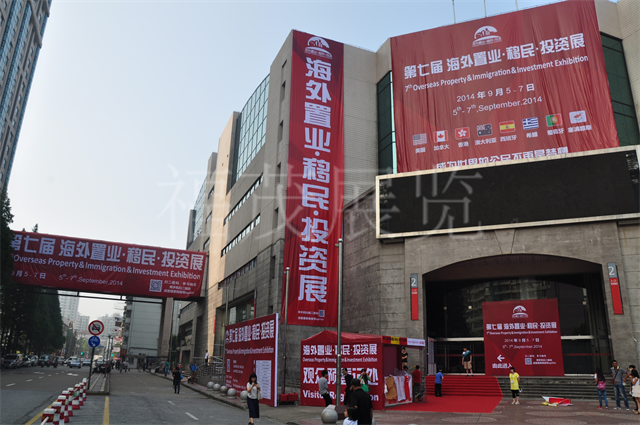
Overseas real estate investment is receiving increasing attention in global asset allocation. Real estate markets in different countries often have varying development potential and price ranges. Many investors hope to preserve the value of their assets, generate rental income, or achieve long-term appreciation by purchasing property abroad. However, cross-border investment involves far more factors than property prices alone, and uncertainties may arise from policies, regulations, and market environments. Many investors gather information about different national markets and investment rules when attending international real estate exhibitions in order to evaluate potential risks more comprehensively. Investment Risks Caused by Differences in Market Environments The operating logic of real estate markets varies significantly from country to country. Without sufficient understanding, investors may easily misjudge potential returns. Different stages of economic development mean that property prices in some cities may grow rapidly, but this can also be accompanied by market volatility. Changes in population structure can influence housing demand; for example, cities with strong population inflows often have greater long-term potential. Urban planning and infrastructure development can have long-term effects on regional property values. The size of the local rental market and tenant demand directly affect the actual income potential of a property. Uncertainty Caused by Policy and Regulatory Changes Overseas real estate investment is often influenced by national policies, and regulatory adjustments may change investment costs or transaction methods. Some countries restrict property purchases by foreign investors, so eligibility requirements must be confirmed in advance. Property taxes, land taxes, and holding costs vary significantly between countries. Certain regions may regulate short-term rentals, property resale, or capital transfers. Policy changes may affect the investment return cycle, making long-term policy monitoring important. Legal System and Transaction Process Risks Cross-border property transactions involve different legal systems. Without a clear understanding of these rules, potential…
 06/03/2026
With the deepening of international educational exchanges, more and more families are paying attention to overseas study opportunities. Different countries possess unique education systems, academic resources, and cultural environments, making studying abroad an important way to broaden horizons and enhance competitiveness. At various study abroad expos, students and parents often ask the same question: Which students are suitable for studying abroad? In fact, whether studying abroad is suitable depends not only on grades, but also closely related to learning goals, personal abilities, and future development plans. Students with Clear Learning Goals For students with a clear learning direction, overseas educational environments often offer more development opportunities. Clear Professional Direction: Having identified their desired field of study, such as finance, engineering, art, or international trade. Pursuit of High-Quality Educational Resources: Desiring access to more advanced teaching concepts, experimental facilities, or research platforms. Desire to Improve Language Skills: Improving foreign language application skills through a long-term immersive learning environment. Clear Career Plans: Hoping to work in international companies or multinational industries in the future. When learning goals are clear, studying abroad makes it easier to maintain sustained motivation and accumulate academic achievements. Students with independence and adaptability Studying abroad is not only a learning process but also the beginning of independent living. The ability to adapt to a new environment often impacts the entire study abroad experience. Strong self-management skills: Able to reasonably manage study time and life rhythm. Adaptability to new environments: Able to gradually adapt to different cultures, diets, and lifestyles. Good communication skills: Willing to actively communicate and integrate into new learning and social environments. Stable psychological resilience: Able to maintain a positive attitude when facing academic pressure or cultural differences. Students with strong adaptability are generally more likely to thrive in overseas environments. Students who wish…
 05/03/2026
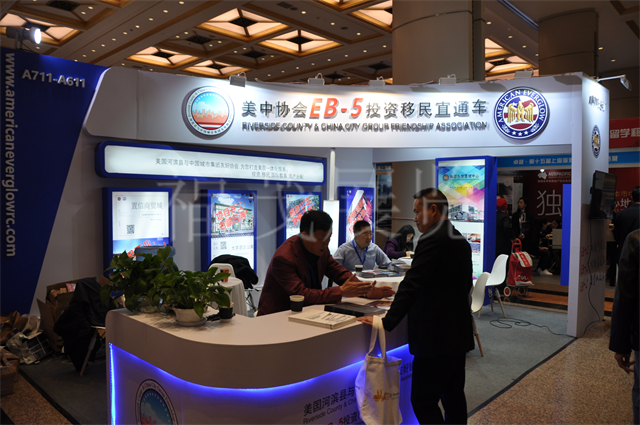
Against the backdrop of a growing global trend towards residency planning and asset allocation, investment immigration has become a focal point for many families. Whether at immigration expos or various overseas investment exchange activities, the question “Is investment immigration really reliable?” is consistently asked frequently. Some value the travel and educational conveniences that residency brings, while others worry about policy changes and the risk of financial security. Determining the reliability of investment immigration requires a rational analysis from multiple perspectives, including policy stability, financial compliance, and long-term planning value. Policy Foundation and Legal Compliance The reliability of an investment immigration project hinges on its policy origins and legal foundation. Is it an officially recognized project? It should be confirmed that the project is formally established by the government of the target country, rather than being a product packaged by market intermediaries. Policy transparency and historical continuity: Projects with a long history and clearly defined rules are generally more stable. Is the approval process standardized? Are procedures such as background checks and verification of the source of funds open and transparent? Does it have a legal protection mechanism? Are the investment contract and residency application process protected by local laws? After obtaining project information from immigration expos, independently verifying the policy sources is a crucial step in mitigating risk. Fund Security and Risk Assessment Investment immigration often involves substantial financial investments, making fund security a key factor in assessing reliability. Clarity of Fund Purpose:Is the flow of investment funds clear, and are there any regulatory or escrow mechanisms in place? Fund Source Verification Requirements:Legitimate projects typically require proof of legal fund sources to ensure compliance. Additional Fee Risks: Understand the associated costs, such as intermediary service fees, legal fees, and other related expenses. Policy Adjustment Risk Assessment: Investment thresholds or…
 Number
Call Now:
139 1723 4508
 WeChat
 Form
FormBook Your Booth
Complete your information immediately and provide you with exclusive services!
Back to Top

