-
Whatsapp
+1 689 248 1956 -
Email
joannewong0817@gmail.com

 07/02/2026
As global asset allocation concepts mature, overseas real estate investment is becoming an increasingly important focus for investors. At expos, overseas property projects are often touted as offering multiple benefits, including asset allocation, lifestyle planning, and educational opportunities. However, overseas real estate is not simply a matter of “buying a house”; it involves market environment, capital structure, legal systems, and long-term management. Thorough preparation before investment often determines whether a project is a sound asset or a potential burden. Clarifying Investment Objectives and Overall Planning Before actually engaging with overseas projects, investors must first clarify their investment objectives. Overseas real estate can be part of a long-term asset allocation strategy, or it may be related to family living, children’s education, or immigration planning. Different objectives necessitate entirely different selection logics. If the goal is asset preservation, mature markets and stable regions should be prioritized; if cash flow is emphasized, rental demand and holding costs need to be carefully considered; if family use is also taken into account, convenience and long-term living conditions must be considered. Only by clarifying objectives at the initial investment stage can subsequent market screening and decision-making remain on track. Understanding Overseas Market Environments and Institutional Differences The biggest difference between overseas real estate investment and domestic investment lies in the differences in market structure and institutional environment. These differences are often the main sources of risk. Market Environment Differences: Significant differences exist in the economic structure, population flow trends, and urban development stages of different countries, directly impacting long-term demand and value performance of real estate. Policy and Regulatory Changes: Overseas real estate policies may change with economic conditions or government policy adjustments, continuously affecting eligibility for purchase, holding costs, and transaction processes. Unfamiliarity with Legal Systems: Different countries have different legal systems and property…
 07/02/2026
With the increasing popularity of global asset allocation concepts, overseas real estate has gradually become an important focus for investors. At real estate exhibitions and investment expos, overseas properties attract significant attention due to their advantages in risk diversification and portfolio allocation. However, compared to domestic investment, overseas real estate involves more uncertainties, including policy environments, market differences, and cross-border management issues. Ignoring these potential risks often leads to investment results that fall short of expectations. Only by fully understanding the risks and developing corresponding strategies can overseas real estate investment achieve long-term, stable development. Overseas Market and Policy Environment Risks Overseas real estate investment first faces the risk of market and policy differences between different countries and regions, which often have long-term impacts. Market Environment Differences: Significant differences exist in the economic structures, population flows, and urban development stages of different countries, directly affecting the long-term value performance of real estate. Policy and Regulatory Changes: Overseas real estate policies may change due to economic conditions or government adjustments, affecting eligibility for purchase, holding costs, and transaction processes. Unfamiliarity with Legal Systems: Different countries have different legal systems; insufficient understanding of property rights structures and contract terms can easily lead to potential legal risks. Recommended Strategies: Conduct thorough research on the target country’s market environment and policy framework before investing, and seek professional assistance for compliance and legal assessments when necessary. Cross-border Funding and Return Structure Risks Overseas real estate investment typically involves cross-border capital flows. Inappropriate funding arrangements and return structures can significantly amplify investment risks. Exchange Rate Fluctuations: Currency exchange rate changes can directly impact investment costs and final returns, increasing uncertainty. Long Capital Tie-in Period: Overseas real estate is generally a medium- to long-term investment with a long capital recovery period, placing higher demands on overall…
 06/02/2026
In the context of globalization, high-net-worth families are increasingly focused on how to achieve wealth appreciation overseas while providing their children with quality educational resources. Overseas asset allocation is not merely an investment activity; it is also crucial for family life and educational planning. At various exhibitions, overseas real estate and educational resources are consistently hot topics. Through scientific planning, families can find an ideal balance between investment returns and educational planning, achieving the dual goals of wealth and education. Clarifying Asset Allocation Goals and Educational Planning Priorities Before investing overseas, families need to clarify their wealth goals and educational needs to ensure both are considered in investment decisions. Wealth Appreciation and Stability:Assess the long-term investment potential and market risks of overseas real estate to ensure steady asset appreciation under different economic environments. Accessibility to Educational Resources:When choosing investment areas, pay attention to the quality of local schools, international educational resources, and the distribution of school districts to provide children with long-term development opportunities. Matching Investment Cycles to Family Planning:Adjust investment strategies based on children’s educational stages and family financial arrangements to achieve a balance between short-term returns and long-term holding. Convenience of Living and Residential Environment:The transportation, medical facilities, and community environment of the property location directly affect the family’s daily life experience and the convenience of children’s education. Utilize Exhibition and Education Platform Resources Flexibly Attending exhibitions helps families systematically understand overseas markets and educational resources, improving investment decision-making efficiency. Concentrated Access to Project Information from Multiple Locations: Exhibitions and trade shows provide information on real estate and educational resources in different countries and cities, facilitating quick comparisons for families. On-site Interpretation by Professional Institutions: Developers, investment advisors, and educational institutions offer professional interpretations, enabling families to fully understand market opportunities and educational value. Reduce Information Asymmetry…
 06/02/2026
Against the backdrop of continuously upgrading global asset allocation, overseas real estate investment has gradually become a focus for high-net-worth investors. At various real estate exhibitions and investment expos, overseas property projects always attract considerable attention. However, the market is complex and volatile, and investment returns and risks vary significantly across different countries, cities, and property types. To achieve stable returns in overseas real estate investment, intuition and following trends are clearly insufficient. Understanding and grasping the key factors for investment success is an essential skill for high-end investors. Market Selection: The First Step in Overseas Investment Choosing the right market is the core prerequisite for successful overseas real estate investment. Different cities have different economic developments, population flows, and policy environments. Only by finding a market suitable for one’s own investment goals can a solid foundation be laid. When choosing a market, the following aspects need to be considered: Economic Development and Population Trends The overall economic situation of a country, urban population growth, and employment opportunities determine the long-term value of real estate. Market Maturity Mature markets have transparent rules and stable transactions, while emerging markets have great growth potential but higher risks, requiring consideration of individual risk tolerance. Supply and Demand Relationship Stable long-term housing demand is the foundation for property appreciation and rental income; careful analysis is necessary before investment. Investment Cycle Matching Short-term speculation and long-term holding have different market preferences; the investment cycle should be coordinated with personal financial arrangements. Investment Returns and Risk Control are Equally Important Overseas real estate investment not only pursues returns but also requires effective risk control. High-end investors typically ensure sustainable investment returns through comprehensive analysis of returns and costs. When assessing returns and risks, the following aspects should be considered: Rental Returns and Cash Flow Stable…
 05/02/2026
In the digital age, more and more immigration agencies are moving their services online: video consultations, live lectures, WeChat group Q&A, and social media promotions. Information can be accessed with just a few taps, which seems convenient and time-saving. Therefore, many people wonder: since online consultations are so advanced, is it still necessary to attend an immigration expo? Are offline expos truly more valuable than online communication? In fact, while online consultations do solve the problem of “difficulty in obtaining information,” they struggle to address the pain point of “difficulty in making in-depth judgments.” Immigration is not a simple consumption; it’s a major decision involving identity, assets, family planning, and legal compliance. It’s difficult to fully understand an agency’s professionalism and reliability based solely on a few conversations on a screen, and it’s also difficult to compare programs from multiple countries in a short period. While online communication is convenient, it’s also easily distracted by fragmented information, with the consultation pace dictated by salespeople, lacking systematic thinking. In contrast, immigration expos offer a more concentrated, authentic, and efficient offline experience: a large number of national programs, licensed lawyers, immigration consultants, and education and tax experts gather in the same space and at the same time, allowing families to communicate face-to-face, compare information instantly, and verify from multiple sources. This “immersive learning” experience is difficult to completely replace online. Below, we break down the real advantages of immigration expos compared to online consultations from multiple perspectives. Concentrated Information: All at Once Online consultations are often “single-point contact.” You contact one agency, and you only get one perspective; switching to another requires rescheduling and repeating the communication. The process is fragmented and time-consuming. The biggest advantage of immigration expos is their centralized presentation. Within the same venue, you can: Learn about…
 05/02/2026
For many families planning for overseas residency, immigration expos offer a highly concentrated information channel: dozens of countries’ programs, hundreds of agencies, consultants, lawyers, education and tax experts all present, seemingly providing a one-stop solution. However, those who have actually attended often find that without prior preparation, it’s easy to become increasingly confused – accumulating piles of materials, collecting dozens of business cards, and attending several lectures, only to return home with a more disorganized mindset, unsure of what’s right for them. The reason is simple: immigration is a complex decision involving multiple factors such as residency, assets, taxes, children’s education, residency plans, and language proficiency. The fast pace, information overload, and strong sales atmosphere at expos can easily lead to being swept along. Simply following the crowd, browsing aimlessly, and engaging in impromptu conversations wastes time without yielding truly valuable conclusions. For many high-net-worth or middle-class families, time is equally precious; a day at an expo without finding direction is a wasted trip. However, with proper route planning, a clear understanding of your needs, and effective communication, you can efficiently identify suitable countries and institutions within half a day or a full day, significantly reducing subsequent trial-and-error costs. This practical guide will help you maximize your exhibition efficiency. Clarify Your Goals Before You Go Core Principle: Without goals, there is no efficiency. Many people’s biggest problem is “browse first, then think.” They consult whichever country seems popular, resulting in a superficial understanding of everything without a focus. The correct approach is to ask yourself a few questions before you go: Is it for your child’s education, or purely for investment? Do you intend to reside there long-term, or just for temporary residency? What is your approximate budget? Can you accept residency requirements or language proficiency requirements? Write down…
 05/02/2026
Against the backdrop of continuously upgrading global asset allocation, overseas real estate is becoming a key investment focus for high-end investors. At various real estate exhibitions and investment expos, overseas properties consistently occupy a central position, attracting a large number of investors with an international perspective. They are not only concerned with the price fluctuations of the property itself, but also with long-term returns, asset security, and the possibility of global expansion. So, why do high-end investors continue to favor overseas real estate? The underlying investment logic and trends are the focus of this article. Overseas Real Estate Meets the Asset Allocation Needs of High-End Investors For high-net-worth individuals, investing in overseas real estate is a systematic asset allocation strategy, rather than a single investment choice. Diversifying Single Market Risk By allocating real estate assets in different countries and regions, the impact of regional economic fluctuations can be effectively reduced. Enhancing Asset Stability Real estate in mature overseas markets has strong long-term holding attributes, meeting the needs of high-end investors for stable asset allocation. Physical Assets Offer Greater Security Compared to financial products, real estate, as a physical asset that can be held for the long term, is more easily recognized by high-end individuals. Four Key Advantages: Clear Long-Term Value Preservation Potential Properties in prime locations of high-quality overseas cities often possess clear long-term value support. Comprehensive Advantages of Overseas Properties in terms of Returns and Planning High-end investors value not only the property price itself but also the multiple added values it brings. Stable Rental Return Expectations Long-term rental demand exists in some overseas markets, providing investors with a continuous cash flow. Balancing Self-Use and Investment Flexibility Overseas properties can be rented out for income or used as living or family space in the future. Facilitating a Globalized…
 05/02/2026
As globalization continues, overseas real estate has gradually transformed from a “choice of a few” to a focus for many. Some hope to improve their living environment through overseas property investment, while others see it as an important way to allocate assets and increase wealth. However, overseas real estate is not a “one-size-fits-all” approach; there are significant differences in thinking, focus, and risk control between owner-occupied and investment properties. If this distinction isn’t clear before making a decision, it’s easy to encounter problems such as unsuitability after purchase or unsatisfactory returns. This article will focus on the differences between owner-occupied and investment properties overseas to help you clarify your direction and make a more rational choice. Core Considerations for Owner-Occupied Overseas Properties Occupied overseas properties emphasize lifestyle attributes, focusing on long-term comfort and stability. Therefore, the decision-making logic leans more towards the actual needs of the individual. Living Environment and Convenience: Owner-occupied purchases typically prioritize the availability of comprehensive medical, educational, transportation, and commercial facilities in the surrounding area. Community safety, pace of life, and daily convenience are often more important than price fluctuations. Matching Status and Long-Term Planning: Many overseas owner-occupied needs are related to immigration, study abroad, or long-term work. Whether the location of a property is conducive to family settlement, children’s education, and future life planning are important decision-making factors. Housing Quality and Layout Usability: For owner-occupiers, the focus is on the living experience itself, including natural light, ventilation, sound insulation, and the rationality of the spatial layout, rather than short-term market trends. Controllable Holding Costs: Long-term residence means continuously incurring property fees, maintenance costs, and related taxes. Whether these costs are stable and within an acceptable range directly impacts the quality of life. The Core Logic of Overseas Property Investment Investment-oriented overseas properties are return-driven,…
 04/02/2026
In recent years, topics such as immigration, overseas residency planning, and global asset allocation have become increasingly popular, leading to a surge in immigration expos, overseas property exhibitions, and residency planning summits in major cities. For many families, these expos do offer a convenient and efficient way to gather information on projects, compare policies across different countries, and communicate face-to-face with consultants. However, information overload does not equate to reduced risk. On the contrary, in the complex and highly specialized field of immigration, a lack of judgment can easily lead to being misled by marketing rhetoric and making hasty decisions. Immigration differs from ordinary consumption; it often involves investments of hundreds of thousands or even millions of yuan and is related to crucial issues such as legal status, children’s education, tax compliance, and asset security. A wrong choice can lead to irrecoverable losses, and even more difficult-to-compensate time and opportunity costs. Some families, misled by claims of “guaranteed success,” “super low prices,” and “internal quotas,” have ultimately experienced project failures, residency rejections, and even legal disputes. Immigration is not a product purchase, but a long-term and serious planning undertaking. Therefore, when visiting immigration expos, it’s more important to “recognize the risks” than “look for opportunities.” Learning to identify unusual signals, maintaining rational thinking, and avoiding emotional decision-making are crucial to truly using expos as information tools, rather than falling into marketing traps. The following five common warning signs are almost always high-frequency characteristics of problematic projects and should be paid close attention to: Promises of “100% Success” If you hear phrases like “100% approval,” “guaranteed residency,” or “full refund if unsuccessful,” you should immediately be wary. Immigration approval is essentially a government process, and no intermediary, lawyer, or agency can control the final outcome. Visa officers have independent discretion;…
 04/02/2026
In recent years, immigration expos in first-tier cities have often featured a similar scene: business owners in suits, parents with children, financial advisors, and family office representatives moving between booths, diligently consulting on immigration planning options for different countries. Many are curious why immigration seems to have moved beyond simply “living abroad” and is gradually becoming a standard practice for high-net-worth families, even an asset allocation strategy. For them, attending immigration expos is not an impulsive decision, but an efficient way to gain a comprehensive understanding of global residency, tax, education, healthcare, and investment opportunities. In fact, high-net-worth individuals are far more risk-averse than ordinary families. They consider not only their current quality of life, but also how to securely pass on their wealth, how their children can access better educational environments, and how their families can have more options in the global market. Reliance on a single residency status and a single country is increasingly seen as a potential risk. Immigration expos are popular because they offer advantages such as concentrated information, direct comparisons, and professional consultations. Within a single venue, one can simultaneously learn about different options from the US, Canada, Europe, Southeast Asia, and offshore financial centers. Lawyers, tax advisors, and education consultants are on-site to answer questions, making it far more efficient than fragmented searches. For high-net-worth families with limited time, this is a low-cost way to acquire high-value information. Diversified Identities = Risk Diversification The core mindset of high-net-worth families is “don’t put all your eggs in one basket.” Just as assets need diversification, so do identities. Having a second identity or permanent residency provides more options in the face of policy changes, economic fluctuations, or unforeseen events. For example, children can freely travel to different countries, families can more flexibly adjust their living…
 04/02/2026
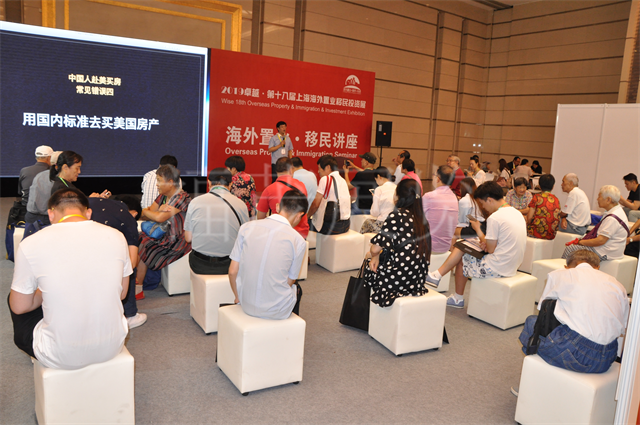
Do you dream of owning property overseas, hoping to create a warm haven in a foreign land, or to increase your wealth through real estate investment? However, the path to overseas property purchase is not smooth sailing; many pitfalls lurk, and a moment’s carelessness can shatter your dreams and cause financial losses. Today, we’ll expose the true nature of ten common pitfalls in overseas property purchases. Initial Information Gathering False Property Information:Some agents or developers exaggerate or even fabricate property advantages to attract buyers, such as claiming the imminent completion of a large commercial center nearby or the property boasting stunning sea views, but these are often untrue. Unfamiliarity with Market Rules:Real estate market rules vary greatly from country to country, encompassing purchase procedures, tax policies, and property types. For example, some countries require high property taxes and stamp duties, and property rights may be divided into freehold, leasehold, and other forms. Buyers unfamiliar with these rules are easily put at a disadvantage. Ignoring Exchange Rate Fluctuation Risks:Overseas property purchases involve the exchange of different currencies, and exchange rate fluctuations can significantly impact purchase costs and future returns. Failure to fully consider exchange rate factors when purchasing a property may result in losses during payment or subsequent resale. During the Home Purchase Transaction Contract Clause Traps: Contract clauses may be vague or lack clear responsibilities. For example, the stipulations regarding property delivery standards and liability for breach of contract may be insufficiently detailed, making it difficult for buyers to protect their rights should problems arise. Underhanded Agent Practices: Some unscrupulous agents collude with developers to inflate prices and profit from the difference, or conceal the true condition of the property, such as legal disputes or quality issues. Unclear Property Rights: The purchased property may have ownership disputes, such as…
 04/02/2026
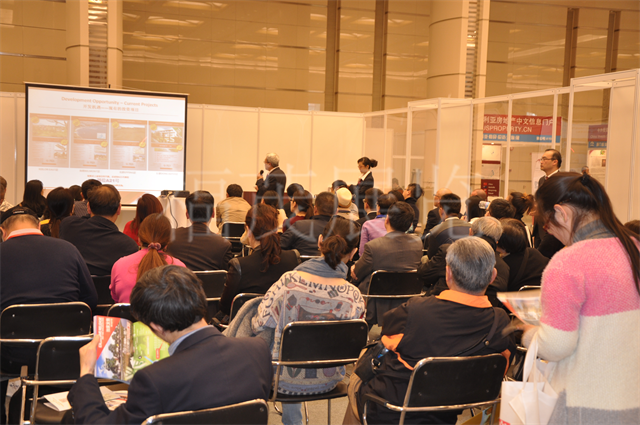
Do you dream of living abroad and expanding your business? Are you struggling to choose the right overseas residency? Among the many residency options, golden visas and citizenship are often confusing. Today, let’s delve into the differences between golden visas and citizenship to help you make a more informed choice. Definition and Nature Analysis Golden Visa: A “Passport” to Residency Through Investment:Golden visas are investment residency programs offered by some countries to attract foreign investment and promote economic development. Investors can obtain a residency permit for a certain period by making a specified investment in the target country, such as purchasing real estate, buying government bonds, or investing in a business. It is essentially a grant of residency rights based on investment, not true citizenship. Citizenship: A Symbol of National Belonging:Citizenship represents a legal membership relationship between an individual and a nation. Having citizenship means becoming a full citizen of that country, enjoying all the rights granted by the constitution and laws, and fulfilling corresponding obligations. Citizenship can be obtained in various ways, including birthright, inheritance by blood, marriage, and naturalization. Comparison of Rights and Benefits Golden Visa: A Residence Permit with Limited Rights:Holders of golden visas primarily enjoy the right to reside in the issuing country. Some countries allow them to work and study locally, and they can enjoy certain public services, such as medical and educational resources. However, these rights are often subject to numerous restrictions and typically lack political rights, such as the right to vote and be elected. Citizenship: Comprehensive and Stable Rights Protection:Citizenship grants individuals comprehensive rights and benefits. Citizens can not only freely reside, work, and study, but also fully participate in the country’s political life and exercise democratic rights. In terms of social security, citizens can enjoy comprehensive welfare benefits provided by…
 Number
Call Now:
139 1723 4508
 WeChat
 Form
FormBook Your Booth
Complete your information immediately and provide you with exclusive services!
Back to Top

