
-
Whatsapp
+1 689 248 1956 -
Email
joannewong0817@gmail.com

 24/01/2026
For those aspiring to immigrate to the United States, the EB-5 immigrant investor visa and the E-2 treaty investor visa are like two “keys,” unlocking different immigration paths. The former focuses on “investment for a green card,” while the latter emphasizes “flexible residency.” They differ significantly in application requirements, status attributes, and investment thresholds. Which “key” is right for you? This article will analyze these differences from three dimensions: core distinctions, applicable groups, and risks and returns, helping you find the most suitable immigration option. Status Attributes: Green Card vs. Long-Term Visa – Your Goals Determine Your Choice The essence of the EB-5 is an “immigrant visa,” granting direct permanent resident status (green card) upon successful application. This means holders can live, work, and study freely in the United States, enjoying the same benefits as local residents, and have the opportunity to apply for citizenship in the future. This “one-step” characteristic makes it the first choice for high-net-worth families seeking stable residency. For example, families planning for their children’s education in the US and hoping to diversify their assets globally can obtain a green card through the EB-5 program. Their children can enjoy public education benefits, and there are no restrictions on further education or employment. The family’s assets can also be diversified through the US financial market. The E-2 visa, a “nonimmigrant work visa,” allows holders to reside and work in the US long-term, but it is essentially a temporary status. Its validity is generally 3 months to 5 years (depending on the original nationality), with an initial stay of 2 years. As long as the business is operating normally and profitable, the visa can be extended indefinitely. The “flexibility” of the E-2 visa lies in its freedom of residence: holders do not need to meet the “visit…
 24/01/2026
Imagine owning a property in a foreign country, enjoying rental income while passively waiting for asset appreciation, and even achieving a “property-for-property” wealth cycle through clever management—this is not an unattainable dream. With the acceleration of globalization, overseas real estate investment has become an important asset allocation option for high-net-worth individuals. However, the returns on real estate vary significantly across different countries, cities, and even neighborhoods. How can investors avoid the “inefficiency trap” and accurately target high-return projects? This article will reveal the “golden code” to high-return overseas real estate for investors, covering market selection, strategy formulation, and risk management. Core Cities: The “Ballast” for Stable Returns Core cities with strong economic vitality are often “safe zones” for overseas real estate investment. These areas have dense populations, abundant job opportunities, strong rental demand, and significant potential for property appreciation. For example, in London, small apartments around the City of London consistently offer rental yields of 4%-6% due to convenient transportation and comprehensive amenities, with extremely low vacancy rates. Even during periods of economic volatility, properties in prime locations maintain their resilience due to their “scarcity.” Take Austin, USA, for example. As a rising star in the tech industry, the arrival of giants like Amazon and Tesla has led to a surge in population and sustained strong housing demand. Apartment rents in the area have increased by 5%-8% annually, while property prices have risen even faster, creating a dual-income model of “rent + appreciation.” The investment logic for real estate in core cities is simple and direct: choose areas with high employment density and net population inflow, and hold long-term to enjoy the city’s development dividends. Emerging Areas: Potential “Dark Horse Tracks” For those seeking higher returns, emerging areas often harbor “hidden champions.” These areas typically experience rapid population…
 23/01/2026
Many investors perceive Singapore real estate as “safe, transparent, and resilient.” Indeed, Singapore’s political stability, sound legal system, and mature financial system have resulted in relatively mild fluctuations in its property market, attracting numerous overseas investors. However, it’s crucial to remember that “stability” does not equate to “zero risk.” Especially for foreign buyers, the risks of Singapore real estate are not concentrated on whether property prices will plummet, but rather on policies, costs, liquidity, and long-term returns. Focusing solely on high property prices and stable rents while ignoring the underlying institutional design and market structure can easily lead to misjudgments in investment decisions. Below, we’ll break down the main risks of investing in Singapore real estate from several easily overlooked yet most impactful aspects, helping you maintain a clear head in this seemingly safe market. Policy Regulation Risk One of the biggest characteristics of Singapore’s real estate market is strong government intervention. Policy regulation is almost a constant, regardless of market conditions. For investors, the risks mainly lie in the following aspects: sudden increases in stamp duty (especially for foreigners); restrictions on the types of properties that can be purchased (e.g., only certain private residences); loan-to-value ratios and repayment proportions that can be adjusted at any time; and additional restrictions on short-term speculation. These policies are not “temporary whims,” but rather the result of Singapore’s long-term commitment to “housing is for living in, investment is strictly controlled.” In other words, you cannot expect policy relaxation to support investment returns; instead, you must be prepared for a potential “cooling down” at any time. High Holding Costs Many investors only focus on the total purchase price of a property, but underestimate the long-term holding costs of Singaporean real estate. Common costs include: high stamp duty (one-off, but very heavy);…
 23/01/2026
When investing in real estate, many people tend to focus on price trends, rental returns, and the policy environment, easily overlooking an “invisible but ever-present” factor—the exchange rate. This is especially true for cross-border real estate investment, where the property is overseas, the funds originate domestically, and future returns may flow back into the home currency account. Every change in the exchange rate directly affects your real returns. Some people think, “I’m buying physical assets; exchange rate fluctuations are just paper changes and don’t affect long-term value.” This statement isn’t entirely wrong, but it’s not entirely correct either. The exchange rate doesn’t change the bricks and land of the house, but it does change how much money you ultimately get back—whether you make a profit or not. The Essence of Exchange Rate Impact The exchange rate doesn’t change whether a house is occupied or whether rent is paid, but it directly affects three key outcomes: your purchase cost when exchanging your home currency for foreign currency to buy the property; the actual amount of home currency you receive when collecting rent; and the total return that ultimately flows back to your home currency account after selling the property. Property returns are calculated in local currency, but what you really care about is the return after converting it back to your preferred currency. This difference is the impact of exchange rates. The Purchase Phase When buying property across borders, the exchange rate at the moment of purchase is crucial. If you enter the market when your local currency is strong and the foreign currency is weak, you can buy the same property with less local currency. Conversely, entering when the foreign currency is strong and your local currency is weak passively increases the cost of buying the property….
 23/01/2026
Many people, when discussing real estate investment, immediately focus on the apartment’s layout, decoration, and size, neglecting a crucial factor determining returns—location. In most cities, properties can be broadly categorized into city center and suburban areas, each with its advantages and limitations. City centers typically offer convenient transportation and mature amenities, but prices are higher, and returns may be compressed by costs. Suburbs, on the other hand, have relatively lower prices and greater potential, but rental demand and appreciation rates may not match those of the city center. Judging investment value cannot solely rely on price increases or rental yields; it requires a comprehensive consideration of liquidity, rental demand, future planning, and cost pressures. Advantages of City Center Properties The most obvious advantage of city center properties is their location value: Convenient Transportation: Close to subways, bus hubs, and major roads, residents can easily travel, attracting tenants and buyers. Complete Commercial and Living Amenities: Shopping malls, hospitals, schools, restaurants, and entertainment facilities are concentrated, providing convenient living. Stable Rental Demand: City centers have a large resident population, with a concentration of businesses and expatriates, resulting in relatively inelastic rental demand. High Liquidity: The secondary market is active, buying and selling is easy, and investments can be quickly liquidated. The core logic of investing in city center properties is stability, predictability, and ease of renting and selling. Although prices are higher, they are relatively resilient to price drops, especially during economic fluctuations or market downturns, when city center properties often demonstrate stronger value preservation capabilities. Advantages of Suburban Properties The advantages of suburban properties are mainly reflected in lower entry barriers and appreciation potential: Relatively Lower Prices: Lower entry costs, suitable for buyers with limited funds or those wishing to diversify their investments. Larger Sizes and Layouts: The…
 23/01/2026
As studying abroad transforms from a “choice for a select few” to a “regular option in life planning,” avoiding blindly following trends and finding an academic environment truly suited to one’s needs has become a crucial challenge for every prospective international student. From cultural compatibility to professional resources, from job prospects to living costs, every decision can potentially impact one’s development trajectory for years to come. This article will provide a systematic analysis to help applicants build a scientific framework for choosing a university. Self-Portrait: Anchoring the Core Coordinates of Study Abroad Decisions The first step in choosing a country and university for studying abroad is to conduct an in-depth self-assessment. Academic applicants should prioritize evaluating the global rankings and faculty strength of their target major; for example, in the field of artificial intelligence, top universities like Carnegie Mellon and the University of Toronto are worth considering. Practice-oriented students should examine university-industry collaboration resources, such as the dual-system education model of German universities of applied sciences. Language proficiency is equally critical. Non-native English speakers need to weigh the cost of IELTS/TOEFL preparation against the language environment of the target country. While countries with less commonly spoken languages like French and German offer language courses, the adaptation period may be longer. Cultural compatibility is often overlooked but is of paramount importance. Introverted students may be better suited to the slow pace of life in Scandinavia, while social butterflies might find a sense of belonging in Australia’s multiculturalism. Climate preferences, dietary habits, and other details also influence quality of life; for example, Canada has long winters, and Singapore is hot and humid year-round. These factors must be considered in the decision-making model. Country Selection: Finding a Balance Between Globalization and Localization The study abroad market varies across countries. The United States…
 23/01/2026
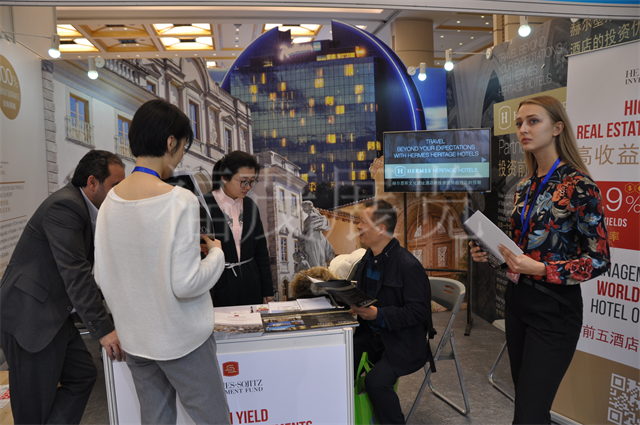
In the global asset allocation wave, real estate has become a focus for investors due to its anti-inflationary properties and stable cash flow. From the growth dividends of emerging markets to the institutional advantages of mature markets, real estate markets in different countries are attracting global capital with their differentiated characteristics. This article will focus on five representative countries, analyzing their investment value and core opportunities. India: A Capital Hotspot Driven by Manufacturing and Demographic Dividends As the fastest-growing real estate market in the Asia-Pacific region, India is attracting international investors with its young population structure and policy dividends. Upgrading manufacturing has driven a surge in demand for industrial parks, office vacancy rates in technology hubs such as Bangalore and Hyderabad continue to decline, while the residential market in major cities like Mumbai and Delhi is experiencing a supply shortage due to the expansion of the middle class. The government’s “Smart City” plan has further improved infrastructure, making land investment and development projects a focus of capital pursuit. It is worth noting that the Indian stock market and real estate market have a significant linkage effect, and the active REITs products provide a low-threshold participation channel for cross-border capital. Greece: A Blue Ocean of Investment Fueled by Tourism Economy and Immigration Policies The Mediterranean pearl of Greece is undergoing structural changes in its real estate market. On the one hand, small vacation apartments in tourist hotspots like Crete and the Ionian Islands have become a new favorite on short-term rental platforms, with fully furnished units of 35-45 square meters achieving an average annual rental return of 8% at a starting price of €140,000. On the other hand, the high-end luxury housing market around the Acropolis in Athens continues to heat up, with the average price of new projects rising…
 23/01/2026
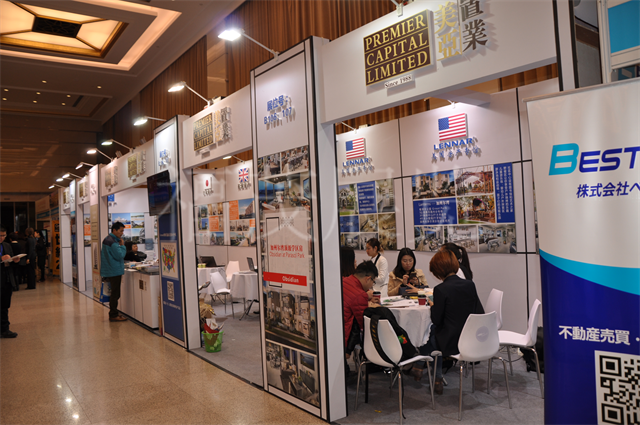
Dubai, a cosmopolitan city blending desert wonder with modern prosperity, is attracting global investors with its annual rental yield exceeding 6% and the advantage of freehold ownership. From the cloud-piercing views of the Burj Khalifa to the private beaches of Palm Jumeirah, Dubai’s real estate market offers diverse options for buyers with different needs. This article will systematically outline the entire home-buying process, helping you easily embark on your Middle Eastern investment journey. Precise Positioning: Property Selection Strategy Determines Investment Value When buying property in Dubai, the choice of location directly impacts the potential for asset appreciation. Freehold areas such as Downtown Dubai, Dubai Marina, and Palm Jumeirah are top investment choices due to their mature amenities and strong rental demand. For those preferring long-term capital appreciation, the off-plan market offers flexible payment options, such as Emaar’s “80/20 Plan,” which allows 80% payment during construction and the remaining balance upon delivery. For owner-occupancy, it’s crucial to examine community amenities—the parks and green spaces of Dubai Hills, the waterfront promenade of Creek Harbour, and the villa complexes of Burj Al Arab all cater to different family structures and lifestyles. Before purchasing a property, it is crucial to verify the developer’s qualifications. Choosing projects developed by leading companies like EMAAR and DAMAC can mitigate the risk of unfinished projects. When filtering properties on real estate websites, pay close attention to the functional zoning in the floor plan. Details such as whether the open-plan kitchen connects to a balcony and whether the master bedroom includes a walk-in closet directly impact living comfort and rental competitiveness. Funding Preparation: Navigating the Loan and Tax Conundrum Dubai offers foreign homebuyers loans up to 50% of the property value, but pre-approval requires proof of income, bank statements, and other documentation. For example, for a 3…
 22/01/2026
When considering investing in Singapore real estate, many people are concerned about a very real question: is the vacancy rate high? After all, a high vacancy rate means that properties are not rented out, and investment returns are difficult to guarantee. The vacancy rate is the proportion of properties on the market that are vacant and not rented out. For investors, it is an important indicator of the health of the rental market. A high vacancy rate often means that supply exceeds demand, and rents may be difficult to rise; while a low vacancy rate indicates strong rental demand, and rents are more stable or even rising. As a global financial center and a hub for international talent, Singapore’s vacancy situation varies across different property types: vacancy rates differ for residential, apartment, office, retail, and industrial properties, and are influenced by various factors such as the economic environment, supply, influx of foreign population, and market expectations. Residential Rental Market For most individual investors, the residential rental market, especially private apartments and executive condominiums, is the most frequently encountered market. Recent data indicates that the overall vacancy rate in Singapore’s private residential rental market has remained low for some time. This means that in most areas, a residential property has a greater than 90% chance of being rented out (i.e., high occupancy rate). Rental demand is particularly stable in densely populated areas or locations with convenient transportation, as expatriates, local professionals, and families working in Singapore tend to rent private residences. Although some market cycles are affected by increased supply or rent adjustments, the overall residential vacancy rate is not as high as in some other cities. Furthermore, residential rents tend to correlate with overall rental demand: with population inflows, new job creation, and a rebound in short-term rental demand, residential…
 22/01/2026
Buying a property in Singapore is not as simple as just paying the purchase price; it often involves various taxes and fees, which can be more “impressive” than the property price itself. Whether for owner-occupancy or investment, understanding these major taxes and fees is crucial for assessing the overall cost. The Singapore government uses a series of tax designs to both raise revenue for the land and housing market and attempt to regulate speculative behavior and the risk of a real estate bubble. Taxes and fees are broadly divided into three categories: transaction-related taxes and fees (such as stamp duty), holding-related taxes and fees (such as annual property tax), and taxes that may be incurred when selling the property in the future (seller’s stamp duty). Stamp Duty Payable When Buying a Property The most basic tax in the property buying process is stamp duty, a statutory tax levied by the government on real estate transactions, which must be paid within a certain period after signing the contract. Buyer’s Stamp Duty (BSD) Buyer’s Stamp Duty (BSD) is a basic stamp duty that all buyers in Singapore must pay when purchasing any type of property, including residential and commercial properties. It is calculated based on the purchase price or market value (whichever is higher) and uses a progressive tax rate: the more expensive the property, the higher the percentage of the value exceeding the upper limit. For example, current rates range from 1% to a very high 6% (for the higher-value portion). The more expensive the property, the larger the absolute amount of BSD in the total transaction cost, but it is the basic tax for all buyers, regardless of their status or whether they are foreign. Additional Buyer’s Stamp Duty (ABSD) For some buyers, in addition to BSD, an…
 22/01/2026
Singapore’s real estate market is both open and conditional for foreign buyers—you can buy certain properties without residing or relocating, but the types of properties you can buy, the taxes you pay, the difficulty of obtaining a loan, and whether you can obtain long-term residency are all subject to strict regulations. For ordinary foreign investors, the most common scenario is directly purchasing private apartments or other private residential units. These properties usually don’t require buyers to be long-term residents; however, HDB flats or most landed properties are subject to restrictions or require special approval. In addition, the government levies a high Additional Stamp Duty (ABSD) on foreign buyers and has higher regulatory thresholds for loan amounts and repayment ability. What can foreign buyers buy? Relatively free purchase: Most private apartments and apartments in the private market can usually be purchased directly by foreigners without the need for long-term residency or special status. Restricted or prohibited purchase: HDB flats are for Singapore citizens and permanent residents; foreigners generally cannot purchase them. Many Executive Condominiums (ECs) may only be open to foreign buyers after a minimum residency period is met. Landed Residential Properties: To purchase detached houses, townhouses, or other residential properties with land in Singapore, foreign buyers need to apply for approval from the Singapore Land Authority. The approval process is rigorous and often requires applicants to have long-term residency or a significant economic contribution to Singapore. In other words, buying these types of properties usually comes with high barriers to entry. Does Property Purchase Lead to Long-Term Residency (PR/Residency Rights)? Purchasing a residential property does not automatically grant permanent residency or long-term residency permits. To obtain long-term residency through investment, one must go through official investment immigration programs (such as the Global Investor Programme, or other authorized pathways). These…
 22/01/2026
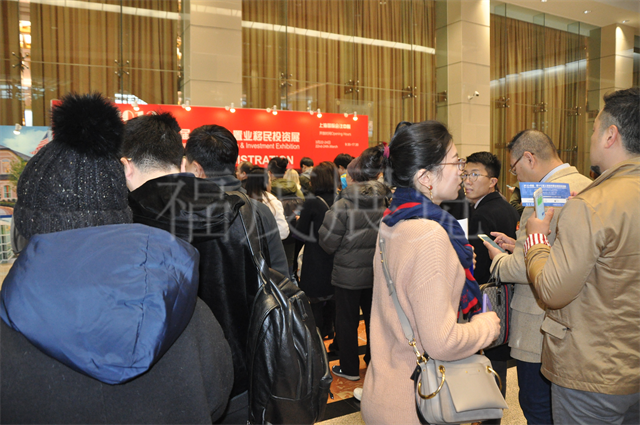
Singapore, a highly international city-state, has always been a focal point for global property buyers. This is not only due to its excellent living environment, convenient transportation, and stable security, but also because real estate has long been considered an asset that preserves and even increases value. Many expatriates, including investors, immigration applicants, or those planning long-term residency, aspire to own a home here. However, to protect housing opportunities for local residents and prevent an overheated real estate market, the Singaporean government has consistently imposed clear restrictions and tax requirements on foreign buyers. With rising property prices and increased international capital flows in recent years, Singapore’s policies have been continuously adjusted, particularly regarding taxes, property types, and approval procedures, becoming more stringent and transparent. Types of Property Foreigners Can Purchase In Singapore, foreigners are not completely prohibited from buying property; there are certain categories of properties that are explicitly permitted. The most important is private residential units, commonly known as apartments or private housing projects. Foreigners can generally purchase these units directly from the private market without special approval. This is currently the most common property type that foreign buyers encounter. Additionally, there is a type of property called “Executive Condominium,” which, while initially only open to local residents for the first few years, will “transition to private residence” after a certain period, at which point foreigners can also purchase it. Foreigners purchasing commercial properties (such as offices, shops, or industrial plants) are generally not subject to residential restrictions, but these are not considered residential properties and therefore do not fall under the category of “buying a house to live in,” but are simply an investment option. Restricted or Prohibited Property Types Compared to properties that can be purchased directly, many residential types are restricted or even prohibited for…
 Number
Call Now:
139 1723 4508
 WeChat
 Form
FormBook Your Booth
Complete your information immediately and provide you with exclusive services!
Back to Top

