
-
Whatsapp
+1 689 248 1956 -
Email
joannewong0817@gmail.com

 21/11/2025
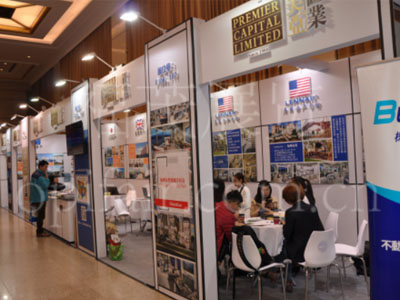
In today’s ever-changing global economic landscape, the enormous potential of the Chinese market has become a “golden opportunity” that multinational corporations cannot ignore. Shanghai, as a “bridgehead” of the Chinese economy, provides multinational corporations with an excellent platform to directly connect with the Chinese market through its annual large-scale expo. For multinational corporations, actively integrating into the Shanghai Expo can not only expand their brand influence in the short term but also lay a solid foundation for long-term development in the Chinese market. The Shanghai Expo has become a “must-win” for multinational corporations because of the underlying benefits of China’s consumption upgrade and open policies. With the increase in Chinese residents’ income levels, consumers’ demand for high-quality goods and services continues to grow. For example, in the fields of food, daily necessities, and healthcare, multinational corporations can quickly reach their target customer groups by showcasing innovative products at the expo. At the same time, China has been continuously deepening its opening-up in recent years, introducing a series of favorable policies in areas such as cross-border e-commerce, finance, and education. The Shanghai Expo is the “first window” for multinational corporations to understand policy trends and capture policy dividends. So, how should multinational corporations take concrete actions? First, they need to do their homework on “localization.” Chinese consumers value both cost-effectiveness and emotional resonance, requiring multinational corporations to align their product development and marketing strategies with Chinese needs. For example, an international beauty brand launched a limited-edition Chinese-style packaging at an expo, retaining core product technology while incorporating traditional cultural elements, quickly generating buzz. This combination of “global quality + Chinese elements” often resonates with consumers emotionally. Secondly, it’s crucial to leverage the “ecosystem” built by expos. The Shanghai Expo is not only a product showcase but also a resource-matching platform. Multinational…
 20/11/2025
Most Asia-Pacific countries possess long coastlines, dense waterways, and abundant sunshine. These natural conditions act as natural “energy treasure troves,” providing unique advantages for developing renewable energy. For companies looking to invest in overseas new energy industries, these regions represent untapped “green energy fertile ground,” aligning with global environmental trends and offering long-term, stable economic returns, making investment highly feasible. First, consider the advantages of long coastlines. Coastal areas experience strong and stable winds, making them particularly suitable for building wind power plants. Sea breezes propel the massive windmill blades, converting wind energy into electricity, which is then transmitted to homes. Furthermore, offshore wind power does not occupy arable land, minimizing its impact on local residents’ lives and being more “discreet” than onshore wind power. Many Asia-Pacific countries have coastlines stretching for hundreds or even thousands of kilometers, allowing for the construction of sizable wind farms in any windy location. This “living off the sea” energy development method is both environmentally friendly and efficient, far cleaner than coal or oil-fired power generation. Second, consider the convenience of dense waterways. In areas crisscrossed by rivers, lakes, and canals, abundant water resources make them particularly suitable for small hydropower development. Water flows from high to low, driving turbines to generate electricity continuously. This method is technologically mature, low-cost, and the water is “dynamic”—generating more power during the rainy season and less during the dry season, offering great flexibility. Many countries in the Asia-Pacific region are located in the tropics and subtropics, with long rainy seasons and abundant rainfall. The water in their rivers is highly mobile, and building a small hydropower station can convert water energy into a stable source of electricity, meeting the needs of surrounding residents and industries. This “water-dependent” energy development solves the problem of power shortages and reduces…
 20/11/2025
Choosing a house is like choosing a partner; it’s about finding someone whose “temperament” matches yours—a good location directly impacts your future comfort and the property’s value. So how do you choose a good location? We need to consider both the immediate and long-term aspects. Let’s start with the immediate, hard requirements. Convenient transportation is essential, just like choosing a partner requires considering whether they can pick you up and drop you off at get off work. Are subway and bus stops nearby? Is it congested when driving to shopping areas, hospitals, and schools? These directly affect the convenience of daily life. For example, for commuters, spending an extra half hour commuting each day adds up to 150 hours a year—enough to watch 20 movies. Similarly, buying groceries and taking children to school requires extra effort; without a nearby market or school, the daily commute is exhausting. Then there are supporting facilities: supermarkets, hospitals, and parks are crucial. A nearby supermarket makes grocery shopping convenient on the way home from get off work; a nearby hospital ensures peace of mind for the elderly and children; and a nearby park makes morning and evening walks easy. These immediate conditions are the foundation for comfortable living. Now let’s talk about long-term soft power. Urban planning is like a “blueprint for the future,” and it depends on where the government invests. For example, new subway lines, schools, and shopping malls will definitely make those areas popular in the future. If a large commercial district is to be built in a certain area, nearby properties will be easier to rent or sell; if a new subway line is to be built in a certain area, properties along the line may double in value. There are also population trends. If the city’s population continues to…
 20/11/2025
Many people feel that investing in real estate in third-tier cities is less “stable” than in first- and second-tier cities. However, it is precisely in these “unassuming” locations that many opportunities lie hidden. Real estate expos are like “information supermarkets,” presenting the investment logic and opportunities in third-tier cities to you, allowing you to see clearly, think logically, and even find “trend indicators.” Investing in real estate in third-tier cities requires first understanding the relationship between “people” and “land.” Population is fundamental. If a city’s population continues to grow, for example, due to industrial upgrading, convenient transportation, or educational resources attracting outsiders, then housing demand will naturally rise. Then look at urban planning, such as new district development, subway extensions, and upgrades to commercial districts; these will all increase the value of properties in certain areas. At expos, developers, planning departments, and real estate agencies gather to present this information in a “packaged” manner—from population inflow data to new district planning maps, from new developments to existing properties, you can understand at once “where there are many people and where there is value.” How to tap into industry opportunities? Expos offer “dual paths.” First, it allows you to “see the present.” For example, the on-site displays of property models, unit designs, and surrounding amenities give you a direct feel for the current state of the real estate market in third-tier cities—which areas are selling well, which unit types are most sought after, and which amenities are a “bonus.” Second, it allows you to “see the future.” For instance, expert lectures discuss “the next big thing in third-tier city real estate,” potentially mentioning long-term benefits such as the establishment of industrial parks, the expansion of schools and hospitals, and the improvement of transportation networks. This information, like pieces of a jigsaw…
 20/11/2025
Attending real estate expos is a crucial way for individual buyers to obtain comprehensive information and clarify their purchasing direction before buying a home. These expos bring together various participants in the real estate industry, including developers, real estate agencies, financial institutions, legal experts, and relevant government departments, providing buyers with one-stop information support from market trend analysis to specific property selection. By participating in expos, individual buyers can not only gain a direct understanding of the overall current real estate market situation but also access detailed information on various properties, laying a solid foundation for subsequent decisions. Real estate expos first provide a macro-level understanding of the market environment. Expos typically have policy interpretation areas where relevant government departments or professional institutions provide detailed explanations of the latest housing purchase policies, loan policies, tax incentives, etc., helping buyers understand policy guidance and avoid potential risks. For example, differences in loan ratios and interest rates for first and second homes, as well as the specific implementation standards of purchase and resale restrictions, directly relate to the cost and feasibility of purchasing a home. In addition, industry experts will conduct forward-looking analyses of market trends, such as regional development potential, population flow trends, and infrastructure planning, helping buyers determine which areas have greater appreciation potential and which properties are more suitable for long-term holding or investment. In terms of housing information, expos offer a richer and more intuitive selection than traditional channels. Developers showcase their projects with models, floor plans, renderings, and actual show flats, allowing buyers to compare multiple properties at once based on key factors such as location, price, unit type, and amenities. Real estate agencies also provide a wealth of information on existing homes, including the age of the buildings, condition of the renovations, and historical transaction prices…
 20/11/2025
In today’s deeply integrated globalized economy, policy trends in the investment field constantly resonate with the market. A series of recent investment policies have injected new vitality into the investment market, and investment expos, as a crucial bridge connecting investment opportunities and capital, are playing an increasingly vital role. Recently released investment policies focus on stimulating private investment, opening up broader investment opportunities for private capital. The policies explicitly state that for key projects in sectors such as railways, nuclear power, and hydropower that require approval from specific departments and have certain profitability, a special feasibility study on private capital participation must be conducted, and this must be specifically explained in relevant reports. This means that private capital has more opportunities to participate in these sectors traditionally dominated by large enterprises. Furthermore, based on the actual situation of the project, the willingness of private enterprises to participate, and relevant policy requirements, specific shareholding ratios for each project can be determined, with private capital holding more than 10% in eligible projects. This measure not only provides private capital with opportunities to share in the development dividends of key sectors but also helps to enhance the status and role of private capital in economic development. In addition to key sectors, the policies also encourage private capital to participate in the construction and operation of new urban infrastructure projects that are smaller in scale but have profit potential. This policy direction enables private capital to delve into the minutiae of urban development, participating in the improvement and upgrading of urban infrastructure. This not only meets the city’s demand for capital and resources but also provides private capital with a stable channel for investment returns. In the service sector, the policy also sends a positive signal. It eliminates unreasonable restrictions on service industry operators,…
 20/11/2025
Driven by both technological innovation and economic restructuring, the investment landscape is undergoing profound changes over the next decade. From artificial intelligence to green energy, from the silver economy to the low-altitude economy, emerging fields are reshaping investment logic with disruptive power. Investment expos, as a core platform connecting cutting-edge trends and capital, are becoming crucial windows for investors to identify opportunities and make precise strategic investments. Technology Empowerment: AI and Automation Lead an Efficiency Revolution The deep integration of artificial intelligence and industrial automation is reshaping the efficiency boundaries of countless industries. In industrial settings, construction robots can dynamically adjust construction plans based on weather conditions, while home robots can perform sophisticated tasks such as laundry and pet care. McKinsey predicts that by 2035, AI and robotics technologies will cover nearly 50 industries, including healthcare, logistics, and home services, creating a market value exceeding $10 trillion. This trend is particularly evident at investment expos: exhibitors showcased smart factory solutions, AI-driven supply chain optimization systems, and interactive robots for elderly care, providing investors with opportunities across the entire chain, from hardware manufacturing to application implementation. Green Transition: Low-Carbon Technologies Fuel a Trillion-Dollar Market Under the global goal of carbon neutrality, new energy power generation, energy storage technology, and the circular economy have become the focus of capital investment. Leading companies in the photovoltaic industry chain are continuously reducing the cost per kilowatt-hour through technological iteration, while power battery companies are seizing the high ground in next-generation technology through solid-state battery research and development. In the green zone of the investment expo, circular economy projects such as straw-to-energy conversion, plastic substitutes, and car dismantling attracted significant attention. Taking straw as an example, it can be converted into clean energy through biomass power generation technology, while simultaneously producing environmentally friendly building materials,…
 20/11/2025
In the ever-changing investment world, every decision is like navigating a turbulent sea; a slight misstep can lead to storms and asset losses. Therefore, accurately assessing investment risk has become a core skill that investors must master. Investment expos, as important platforms for gathering industry wisdom and showcasing cutting-edge trends, provide investors with an excellent opportunity to assess risk and seize opportunities. Assessing investment risk begins with a thorough understanding of the investment project itself. Different investment projects have drastically different risk characteristics. Take stock investment as an example: its price fluctuates frequently and significantly, influenced by a combination of factors such as company performance, industry competition, and the macroeconomic environment. Before entering the stock market, investors need to carefully study the target company’s financial situation, business strategy, industry position, and other key information, analyzing its future development potential and potential risks. While bond investment is relatively stable, it’s still necessary to pay attention to the issuer’s creditworthiness and interest rate trends to avoid losses due to defaults or interest rate fluctuations. At investment expos, numerous exhibits and expert sharing sessions allow investors to more intuitively understand the characteristics of different investment projects, providing abundant material for risk assessment. The market environment is also a crucial factor that cannot be ignored in assessing investment risk. The state of the macroeconomy directly impacts the performance of various investment products. During periods of economic prosperity, strong market demand and increased corporate profits often lead to outstanding performance for investment products such as stocks and real estate. Conversely, during economic recessions, shrinking market demand and operational difficulties for businesses significantly increase investment risk. Furthermore, changes in policies and regulations also have a profound impact on the investment market. For example, government support policies for a particular industry may drive its rapid development, bringing…
 20/11/2025
Driven by both profound adjustments in the global economic landscape and the wave of technological revolution, real estate investment is undergoing unprecedented changes. Traditional hot markets are gradually cooling down, while emerging value hotspots are quietly rising. How can investors accurately capture opportunities in this complex market? Real estate expos, as a core platform connecting global capital and high-quality projects, are becoming a key window for understanding trends and seizing opportunities. Technology Engine Driven: Seattle Becomes a New Investment Darling Seattle, the technology capital of the northwestern United States, is becoming a new focus for global asset allocation thanks to its unique economic vitality and livable environment. As the headquarters of tech giants such as Amazon, Microsoft, and Google, Seattle has formed a technology innovation ecosystem with an annual output value exceeding $300 billion. The strong demand for highly skilled talent provides a solid foundation for the real estate market. In 2025, Seattle home prices rose 10% year-on-year, with the median price reaching $935,000, demonstrating strong market demand. Furthermore, Washington State has no state income tax and does not levy a foreign buyer tax, providing a more favorable investment environment for international investors. In downtown Seattle, the landmark luxury condominium project First Light, with its rare prime location and top-notch design, has become a top choice for high-net-worth investors worldwide. Adjacent to Amazon headquarters and adjacent to the Southlake Union high-tech park, it’s a 5-minute walk from a subway station, boasting abundant surrounding amenities and convenient living. Developed by a top North American developer, the project offers diverse unit types and luxurious facilities such as a rooftop pool, a two-story gym, and a sky garden, allowing residents to enjoy a fully furnished and intelligent lifestyle. Compared to similar projects in San Francisco and New York, First Light offers significantly better…
 19/11/2025
In today’s globalized world, people have increasingly diverse choices regarding life, work, and development. Immigration has become an important pathway for many to pursue a better quality of life, expand their business, or experience diverse cultures. However, traditional immigration processes are often cumbersome, complex, and time-consuming, deterring many aspiring immigrants. In fact, with the right approach, fast immigration is not out of reach. Below, we reveal effective strategies to facilitate fast immigration. Accurately Matching Immigration Programs:This is a key prerequisite for fast immigration. There are many types of immigration programs, each with its unique application requirements, procedures, and timelines. Some programs focus on the applicant’s professional skills, such as those in certain in-demand occupations, where professional qualifications and work experience can lead to priority processing. Other programs emphasize investment capacity, providing a fast track for those with substantial financial resources and a willingness to invest locally. Therefore, applicants need to thoroughly understand their own strengths and characteristics, combine this with the specific requirements of each immigration program, and accurately choose the most suitable program to avoid wasting time and energy by applying blindly. Adequate Preparation in Advance:This can significantly accelerate the immigration process. Immigration applications involve numerous documents, ranging from personal identification and educational certificates to proof of work experience and financial statements. Each document requires careful preparation to ensure its authenticity, completeness, and compliance with requirements. Planning and organizing these documents in advance not only avoids repeated supplementation and revisions due to missing or incorrect materials during the application process but also allows immigration officers to easily understand the applicant’s information, improving review efficiency. Furthermore, understanding the language requirements of immigration programs beforehand and preparing for targeted language learning and testing, such as obtaining a qualifying language proficiency certificate, can significantly enhance the chances of expedited immigration. Utilizing the…
 19/11/2025
Driven by globalization, immigration has become a significant choice for many seeking a better life, expanding their careers, or experiencing diverse cultures. However, immigration applications are not always smooth sailing. Many applicants, after submitting their applications with high hopes, receive rejection notices, which is undoubtedly a huge blow. Understanding the common reasons for immigration rejections and preparing in advance is crucial to improving the success rate. Incomplete or Inaccurate Documents: Details Determine Success or Failure Immigration applications require numerous and stringent documents; any minor oversight can lead to rejection. Some applicants may carelessly omit crucial documents such as birth certificates, police clearance certificates, and academic certificates. These documents are essential for assessing an applicant’s background, education, and social credibility; the absence of any one of them may raise doubts about the applicant’s authenticity. Furthermore, inaccurate information in the application materials is also a common problem. For example, when listing work experience, information such as dates, positions, and responsibilities may not match the actual situation, or the provided employment verification letters may be formatted incorrectly or lack detail. Immigration officers meticulously review every piece of information when reviewing application materials. Any inconsistencies or discrepancies may lead them to believe the applicant has made false statements, resulting in application rejection. Insufficient Financial Proof: Economic Strength is a Key Consideration Immigration applications typically have specific requirements regarding the applicant’s financial situation to ensure they have sufficient financial resources to live and thrive in their new environment. If the applicant’s financial proof fails to meet the program’s requirements—for example, insufficient savings, unclear or unreasonable sources of funds—the application is likely to be rejected. Some applicants may attempt to meet the requirements by temporarily raising funds, but this often lacks a reasonable explanation for the source of funds. Immigration officers focus on the accumulation process…
 19/11/2025
Driven by globalization, more and more children are choosing to study abroad to pursue broader knowledge and diverse cultural experiences. However, far from home and familiar surroundings, children are alone in a foreign country, making safety a primary concern for parents. To ensure children can study with peace of mind and grow healthily, the following key points regarding safety during their studies abroad must be kept in mind. Accommodation Safety: Creating a Warm and Safe Home Accommodation is a crucial foundation for children’s lives overseas, making the selection of a safe and reliable living environment paramount. If choosing school dormitories, familiarize yourself with the dormitory’s management regulations and security facilities in advance, such as the completeness of the access control system and the comprehensiveness of surveillance coverage. After moving in, familiarize yourself with the location of emergency exits and how to use fire extinguishers. If choosing off-campus rentals, carefully select your accommodation. Prioritize areas with good security and convenient transportation, avoiding remote or unsafe locations. Before signing a rental agreement, thoroughly inspect all facilities in the property, ensuring doors and windows are secure and water and electricity are safe. Maintain good communication with the landlord, clearly defining the rights and obligations of both parties. After checking in, please take good care of your personal belongings. Do not leave valuables in conspicuous places, and remember to lock doors and windows when leaving. Travel Safety: Smooth Travel Abroad Travel safety is an important aspect that cannot be ignored during your studies abroad. Before traveling, familiarize yourself with local traffic rules and travel customs. Traffic rules may vary from region to region; knowing and abiding by the rules can effectively reduce the probability of accidents. If choosing public transportation, wait at designated stops, maintain order, and avoid crowding and pushing. When taking a…
 Number
Call Now:
139 1723 4508
 WeChat
 Form
FormBook Your Booth
Complete your information immediately and provide you with exclusive services!
Back to Top

