-
Whatsapp
+1 689 248 1956 -
Email
joannewong0817@gmail.com

 22/05/2026
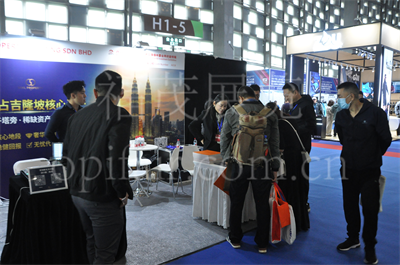
Against the backdrop of increasingly diverse methods for purchasing property abroad, various buying models—such as full cash payment, mortgage financing, developer installment plans, and shared ownership—have gradually come into the view of investors. However, given the significant institutional differences between countries, relying solely on a single information channel makes it difficult to systematically grasp the distinctions between these various models. Real estate exhibitions bring together property projects and purchasing methods from multiple nations, allowing visitors to gain an intuitive understanding of different buying models within a single setting, thereby enabling them to more clearly grasp the underlying logic of purchasing property overseas. Multi-National Project Showcases Present Diverse Buying Methods Centralized Display of Models from Different Countries Real estate exhibitions typically feature property projects from numerous nations:since purchasing regulations and models vary across countries, these events facilitate easy side-by-side comparisons that aid comprehension. Visitors can simultaneously view and compare various purchasing methods, including full cash payments, installment plans, and mortgage financing. This centralized presentation makes the different property-buying models much more intuitive. On-Site Explanations Clarify Procedural Differences Face-to-Face Interactions Enhance Comprehension Efficiency The developer or agent will explain the specific procedures and financial arrangements for different home purchase models. Visitors can directly inquire about key details such as the loan ratio and payment milestones. On-site communication ensures that the entire purchasing process becomes much clearer. Multi-Dimensional Comparisons Aid in Selecting the Right Model Comparative Analysis Strengthens Decision-Making Capabilities Different purchasing models present distinct differences in terms of financial burden, timeframes, and risk levels, necessitating a choice based on one’s own specific circumstances. Investors can determine the most suitable purchasing method based on their budget and intended use for the property, thereby optimizing their decision-making process. Consequently, this comparative analysis ensures that the final choice is more rational and well-informed….
 21/05/2026
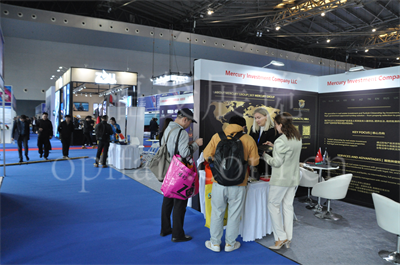
In today’s increasingly globalized world, more and more families are considering child education immigration as part of their long-term financial planning and lifestyle strategy. Unlike simple residency or travel convenience, parents are now focusing on education quality, university pathways, language environment, and future career opportunities for their children. Different countries offer very different education systems and immigration policies—some are known for world-class universities, while others attract families with affordable education, stable immigration routes, or high-quality public schooling. Choosing the right destination is therefore not just an immigration decision, but a long-term investment in a child’s future. Most Popular Countries for Education Immigration Worldwide Different countries stand out due to their education systems and immigration accessibility. Canada Canada is widely regarded as one of the top destinations for education-focused immigration. It offers a stable education system, high-quality universities, and relatively flexible immigration pathways. Children can benefit from a complete public education system from primary school to university. Australia Australia provides a well-developed public education system and globally ranked universities. With a safe and livable environment, many families choose Australia through skilled migration or investment-based immigration routes. United States The U.S. has the largest number of top-tier universities in the world, including the Ivy League system. However, education costs are significantly higher, making it more suitable for families with stronger financial capacity or long-term planning. United Kingdom The UK offers a historic and well-structured education system. It provides clear academic progression from primary education to university, making it ideal for families targeting international academic pathways. Popular Education Immigration Options in Asia and Europe Beyond traditional English-speaking countries, several emerging destinations are gaining popularity. Singapore Singapore combines Eastern and Western education advantages. It has a strong academic foundation, high-performing schools, and cultural and geographical proximity to many Asian families. Germany Germany is…
 21/05/2026
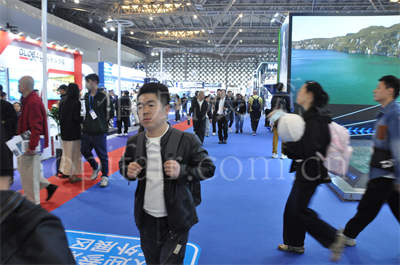
In the investment process, many people focus on returns, but what truly influences the stability of long-term decisions is often the level of understanding of risk. Different investment projects differ in their funding cycles, market volatility, and return structures. Without a systematic understanding, it’s easy to make unreasonable judgments due to insufficient information. Investment expos bring together a variety of investment projects and industry resources, allowing visitors to compare projects and engage in on-site discussions. This allows for a more intuitive understanding of the risk characteristics of different investment models, thereby improving overall risk awareness. Multiple Project Displays Help Identify Risk Differences Different investment models are presented together. Investment expos typically cover real estate, finance, and industrial projects, each with distinct risk characteristics. Visitors can directly observe the differences in project cycles, returns, and stability. Multi-dimensional displays make risk understanding more intuitive. On-site Interaction Enhances the Depth of Risk Understanding Face-to-face communication makes information more concrete. Project representatives or advisors explain potential market changes and financial pressures during the investment process, reducing the risk of one-sided understanding. Consultations further clarify the sources of risk and coping strategies. This exchange enhances risk assessment capabilities, making on-site interaction a more comprehensive understanding. Multidimensional analysis helps build rational judgment Horizontal analysis enhances decision-making awareness. Different projects differ significantly in return models and risk levels:comparison makes it easier to understand the balance. Selection based on individual needs: Investors can choose suitable directions based on their budget and risk tolerance. Rational analysis makes investment decisions more robust. In the overall experience of the investment expo, risk awareness is not an abstract concept, but rather a clear understanding gradually formed through project demonstrations, case studies, and on-site discussions. Visitors can quickly encounter different investment models and understand the relationship between risk and return…
 20/05/2026
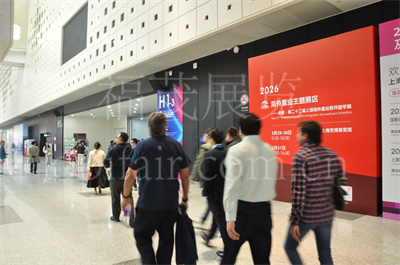
In recent years, real estate investment has become more than just a strategy for high-net-worth individuals. It is now increasingly viewed as an effective way for ordinary investors to grow wealth and generate stable income. With ongoing inflation concerns and economic uncertainty, more people are turning to property investment for long-term financial security. However, for beginners, real estate often appears complicated, expensive, and risky. The good news is that with the right knowledge and investment strategy, even first-time investors can gradually build a successful real estate portfolio. What Should Beginners Understand Before Investing in Real Estate? Before investing money, it is important to build the right mindset and understanding. Define your investment goals Some investors focus on rental cash flow, while others prioritize long-term property appreciation. Different goals require different strategies. Evaluate your financial capacity Besides the down payment, investors should prepare for taxes, renovation costs, maintenance fees, and vacancy risks. Understand the investment timeline Real estate is generally a medium- to long-term investment, and quick profits are not always realistic. Develop risk awareness Market fluctuations, policy changes, and rental demand can all affect returns. Which Types of Real Estate Investments Are Suitable for Beginners? Different investment models require different levels of capital and experience. Residential rental properties The most common and beginner-friendly approach, generating stable rental income through long-term leasing. Short-term rentals or vacation properties Suitable for tourism cities, but they require stronger operational and management skills. Overseas real estate investment Allows global asset diversification, though investors must consider exchange rates and local regulations. Commercial property investment Potentially higher returns, but also higher risks and larger capital requirements. Real estate funds or REITs A lower-barrier option for beginners who want exposure to the property market without directly owning property. How Can Beginners Choose Promising Cities and Locations?…
 20/05/2026
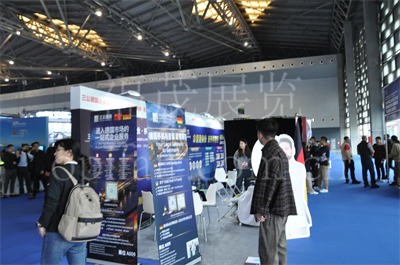
In an ever-changing investment market, more and more people are realizing that a single investment approach is insufficient for long-term asset planning. Different investment models differ significantly in terms of risk, return, timeframe, and capital requirements. A lack of systematic understanding can easily lead to missing out on suitable opportunities due to limited information. Investment expos bring together various types of investment projects, allowing visitors to understand the characteristics and logic of different investment models in a unified setting, thus gaining a more comprehensive understanding of the market structure. Multi-industry Project Showcase Broadens Investment Horizons Diverse investment models are presented in a concentrated manner. Investment expos typically cover multiple areas, including real estate, finance, industry, and cross-border investment. Visitors can directly observe the differences in the operational methods of different models. Diverse information broadens investment horizons. On-site Interaction Enhances Investment Understanding Face-to-face communication makes information more concrete. Project representatives or consultants will introduce the return structures and participation methods of different investment models. Reduces vague understanding of investment concepts. Consultations provide a clearer understanding of the characteristics of various models and their suitable target groups. This exchange improves learning efficiency. On-site interaction deepens investment understanding. Multidimensional comparisons aid in investment judgment Horizontal analysis makes differences more apparent. Different investment models differ in risk levels, return cycles, and capital requirements; the comparison process strengthens judgment. Simultaneously, investors can select more suitable directions based on their own needs. This approach optimizes investment strategies, and reasonable comparisons make investment choices clearer. In the overall experience of the investment expo, diverse investment models are no longer just abstract concepts, but are gradually understood through project demonstrations, on-site explanations, and comparative analysis. Visitors can quickly grasp different investment logics and understand the differences and connections between various models. This centralized information acquisition method…
 19/05/2026
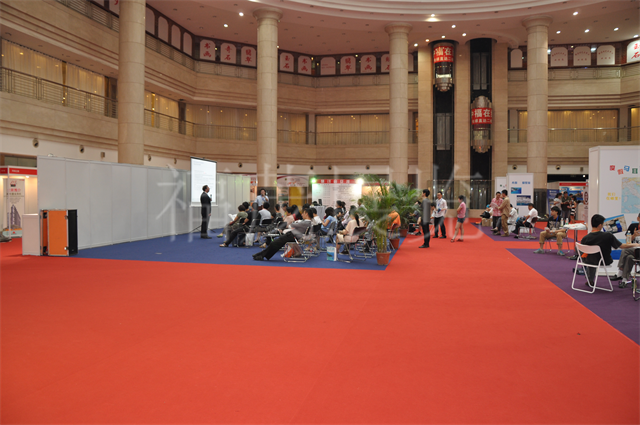
In an environment of global low interest rates and fluctuating inflation, overseas real estate has become an important asset allocation choice for many investors. Among various indicators, rental yield is one of the most critical metrics for evaluating property investment value. Different countries show significant variations in rental returns due to differences in economic structure, population growth, tax policies, and market maturity. Some markets provide strong and stable cash flow, while others focus more on capital appreciation. Therefore, identifying high-yield countries is essentially a global comparison of “cash flow efficiency.” Representative Countries with High Rental Yields Different market stages lead to varying levels of rental returns. United Arab Emirates (Dubai) Dubai is one of the highest rental yield markets globally, typically ranging from 6% to 9%. A large expatriate population ensures strong rental demand, and the short-term rental market is particularly active. Turkey (Istanbul) Property prices are relatively low, while rental demand remains strong. Overall yields can reach 7% to 10%, with some areas even higher, making it attractive for cash-flow-focused investors. Portugal (Lisbon, Porto) One of the few stable high-yield markets in Europe, with returns around 4% to 7%. It benefits from both long-term rentals and tourism-driven short-term rentals. Certain U.S. Regions (Texas, Florida, etc.) While major cities have lower yields, emerging cities can achieve 5% to 8%, supported by continuous population inflows. Structural Drivers Behind High Rental Yield Markets High returns are not random—they are driven by underlying market fundamentals. Population inflow and urban expansion drive demand Cities with immigration or economic growth naturally generate stronger rental demand. Imbalance between property prices and income levels Lower property prices combined with stable rent levels result in higher yields. Strong tourism and short-term rental markets Cities like Dubai and Barcelona benefit significantly from short-term rental income. High level of…
 19/05/2026
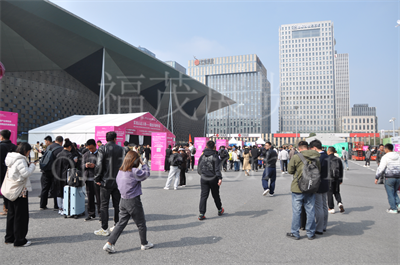
With the overseas real estate market constantly evolving, many investors focus on which countries and cities are becoming new hotspots. However, due to the fragmented nature of information sources in overseas markets, and the rapid changes in policies, housing price trends, and investment demands across different countries, relying solely on online searches often fails to provide a comprehensive assessment. Overseas property exhibitions bring together project resources from multiple countries and regions, allowing visitors to more efficiently acquire information on market hotspots through on-site interactions and project comparisons, thereby enhancing their understanding of overseas real estate trends. Multi-country Project Showcase Makes Hotspot Discovery Information on Popular Regions Presented Simultaneously Overseas property exhibitions typically gather projects from multiple countries and cities, providing a quick overview of current market focus. The number of projects reflects market activity:a concentration of projects from certain countries or cities often indicates high market interest in that region. This approach helps identify popular areas. On-site Interactions Enhance Market Trend Understanding Face-to-face communication deepens information. Developers or consultants introduce local real estate market changes, rental demand, and development plans. This reduces one-sided understanding of the market:consultations allow for insights into the reasons and development logic behind hotspots. This approach improves trend judgment. Multi-project comparison enhances market understanding Horizontal analysis makes differences more apparent. Different countries and cities differ in terms of prices, returns, and policy environments. Simultaneously, the comparison process helps identify hot spots; investors can determine which areas have greater development potential, thus optimizing investment direction. In the overall experience of overseas property exhibitions, market hotspot information is no longer fragmented data, but rather a clear understanding gradually formed through concentrated displays and on-site exchanges. Visitors can access property projects from multiple countries and cities in a short period and understand the development trends of…
 18/05/2026
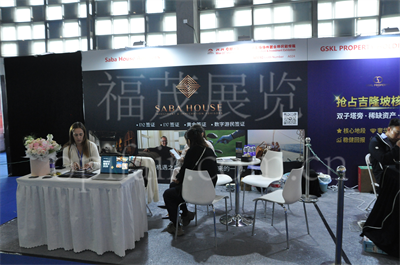
As global asset allocation becomes increasingly common, overseas real estate investment is attracting more attention from both high-net-worth individuals and middle-class families. However, there is no fixed answer to “how much money is needed to start,” as the entry cost varies greatly depending on the country, property type, financing options, and tax structure. Some markets allow entry with just a few hundred thousand dollars, while prime global cities may require over one million dollars. More importantly, beyond the property price itself, there are additional costs such as taxes, financing fees, and holding expenses. Without a clear understanding of the full cost structure, investors may underestimate the total budget and face unnecessary financial pressure. Core Components of Startup Capital in Overseas Real Estate Buying property overseas involves more than just paying the purchase price. The total capital structure usually includes several key parts. Down Payment (Main Cost Component) Typically ranges from 20% to 70% of the property price. Foreign buyers in some markets may face higher down payment requirements, especially in premium cities or investment-focused properties. Taxes and Government Fees These include stamp duty, registration fees, and land transfer taxes, usually accounting for 3%–15% of the property price depending on the country. Legal and Agency Fees Overseas transactions usually require legal services, costing around 1%–3%. In some regions, agent commissions are also shared between buyer and seller. Financing Costs (If Using a Mortgage) These include interest rates, appraisal fees, and loan processing charges, which can significantly impact long-term cash flow. Differences in Capital Requirements Across Countries Entry thresholds vary significantly by region, directly influencing investment strategy. Southeast Asia (Thailand, Malaysia, etc.) Relatively low entry cost, typically $200,000–$500,000 for quality condominium investments. North America (United States, Canada) Moderate to high entry cost, with major cities requiring $500,000–$1.5 million or more. Europe…
 16/05/2026
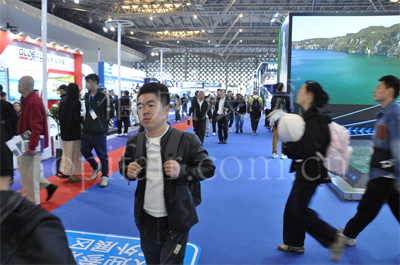
Against the backdrop of increasingly diversified overseas asset allocation, apartment investment has gradually become a focus for many investors. However, due to differences in housing systems, rental markets, and return structures across countries, many find it difficult to fully understand the true nature of apartment investments through a single channel. Overseas property exhibitions showcase apartment projects from multiple countries, providing on-site explanations and exchanges, allowing visitors to more intuitively understand the investment logic and market characteristics of apartments. Concentrated Apartment Project Display for a More Intuitive Experience Apartment products from multiple countries are presented together. Overseas property exhibitions typically bring together residential and apartment projects from different countries, facilitating a concentrated understanding of investment types. Visitors can compare apartment prices and returns in different cities within a single environment. This approach enhances basic understanding. On-site Explanations Help Understand Investment Structures Face-to-face communication enhances information transparency. Developers or consultants will introduce apartment rental income, holding costs, and management methods. This reduces information misunderstandings; direct consultation is available on issues such as investment cycles and return models. This approach deepens understanding. Multiple Project Comparisons Optimize Investment Judgments Horizontal analysis clarifies differences. Apartments vary across countries in terms of yield, market demand, and policy environment. By filtering based on demand, investors can select suitable projects according to their capital size and risk appetite. This approach improves decision-making efficiency. In the overall experience of overseas property exhibitions, apartment investment is no longer fragmented information, but rather a systematic understanding gradually formed through centralized displays and on-site communication. Visitors can learn about apartment markets in multiple countries in a short time and establish a clearer judgment framework through comparative analysis, thereby reducing errors caused by information asymmetry. This structured information acquisition method makes understanding apartment investment more intuitive and provides a more…
 16/05/2026
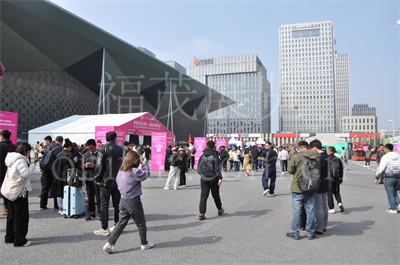
In the immigration planning process, the policy systems, application requirements, and living costs of different countries vary significantly, and information from a single source is often insufficient to support a complete decision. Many applicants are more concerned with how to compare multiple options to find a path more suitable for their own background. Immigration expos present immigration programs from multiple countries in a concentrated manner, and through on-site explanations and consultations, allow visitors to systematically compare different options in the same setting, thereby improving selection efficiency. The centralized presentation of projects from multiple countries provides a basis for comparison Different immigration programs are presented on-site. Immigration expos typically bring together multiple pathways such as investment immigration and skilled worker immigration, allowing visitors to understand multiple countries’ programs at once. Concentrated information facilitates horizontal comparison; the differences in application requirements and conditions between different countries can be clearly seen in the same exhibition. This approach establishes a basic comparative framework. On-site Consultation Enhances Understanding of Program Differences Face-to-face communication improves information clarity. Immigration consultants will explain in detail the policy characteristics, processing times, and suitable target groups of each country. Visitors can ask questions based on their own situation to obtain more precise advice. This communication enhances the depth of comparison. Multidimensional analysis helps in selecting the optimal path Horizontal comparison improves decision-making efficiency. Different immigration programs differ in cost, timeframe, and success rate; comparison makes it easier to determine their merits. Choosing a program based on one’s own needs, family structure, budget, and long-term planning all influence the final selection. This approach optimizes the decision-making process. In the overall experience of the immigration expo, comparing multiple programs is not simply a matter of information overload, but rather a gradual formation of a systematic understanding through centralized displays,…
 12/05/2026
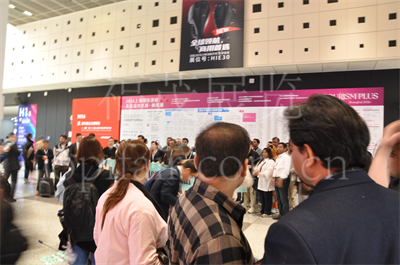
With overseas property investment increasingly becoming a popular asset allocation and lifestyle planning option, many people’s initial concern isn’t “to buy or not to buy,” but rather “is the process clear?” Different countries differ significantly in their eligibility requirements, transaction procedures, fund supervision, and legal systems. Without systematic information, misunderstandings can easily arise in practice. Real estate exhibitions showcase property projects and home-buying services from multiple countries, allowing visitors to understand the entire path from property selection to transaction in a unified setting, thus gaining a more intuitive grasp of the overseas property buying process. Centralized Display Makes the Buying Process Clearer Multiple countries’ buying steps are presented simultaneously. Real estate exhibitions typically cover projects from multiple countries, simultaneously explaining local buying processes and basic rules. Concentrated information facilitates overall understanding; visitors can quickly compare differences in the buying process across different countries. This approach reduces the difficulty of understanding the process. On-site Explanation Supplements Key Operational Details Face-to-face communication enhances process transparency. Developers or agents explain the specific steps from property selection and signing to handover. This reduces information gaps; visitors can ask questions about payment, title transfer, and other related issues. This communication enhances practical understanding. Multi-project comparisons help understand process differences Horizontal comparisons make the process more intuitive, as different countries differ in purchase cycles, legal requirements, and procedural complexity. Furthermore, case studies facilitate understanding; comparing multiple projects helps determine which process best suits one’s circumstances, optimizing decision-making. In the overall experience of real estate exhibitions, overseas property purchase processes are no longer fragmented and abstract information, but become clearer through centralized displays and on-site explanations. Visitors can quickly understand the purchase steps in multiple countries and build a comprehensive understanding through comparison and consultation, thereby reducing operational uncertainty. This information integration makes overseas…
 11/05/2026
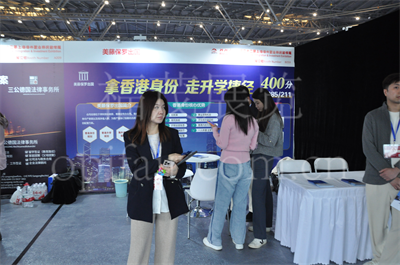
With education and immigration planning increasingly intertwined, more and more families are focusing on combining Hong Kong identity with educational pathways, hoping to secure better educational resources and pathways for their children through appropriate immigration arrangements. Study abroad expos bring together overseas educational resources, educational pathway plans, and immigration planning services, allowing visitors to understand the connections between Hong Kong identity-related educational pathways and different education systems in a unified setting, thus enabling clearer planning for the future. Concentrated Display of Hong Kong Educational Pathways for Greater Clarity Diverse Educational Pathways Presented Simultaneously Study abroad expos typically bring together international schools, overseas institutions, and educational organizations, with some content covering Hong Kong educational pathways. Concentrated information facilitates overall understanding, allowing parents to intuitively understand the advantages and applicable scenarios of Hong Kong identity in education. This approach reduces information fragmentation. A More Intuitive Integration of Education and Immigration Planning On-site consultations enhance planning clarity. Organizations will introduce the role of Hong Kong identity in the DSE, international curricula, and overseas applications. This helps parents understand the advantages of education, and visitors can consult on specific educational pathways based on their children’s circumstances. This exchange enhances the targeted nature of planning. Multiple Pathways for Optimized Educational Choices A horizontal analysis of different education systems. Educational pathways vary across countries and regions in terms of curriculum and admission standards. Comparing pathways with Hong Kong residency status allows parents to more clearly determine which path is best suited for their long-term educational planning. This approach improves decision-making efficiency. Throughout the study abroad expo, the concept of “Hong Kong residency + educational pathways” is no longer a singular one, but rather becomes concrete and understandable through focused displays and professional explanations. Visitors can quickly access multiple educational pathways, compare and consult…
 Number
Call Now:
139 1723 4508
 WeChat
 Form
FormBook Your Booth
Complete your information immediately and provide you with exclusive services!
Back to Top

