-
Whatsapp
+1 689 248 1956 -
Email
joannewong0817@gmail.com

 09/05/2026
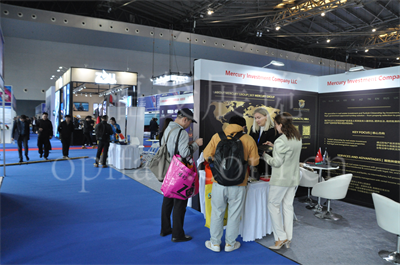
During the investment decision-making process, many individuals encounter the dual challenge of information overload coupled with a lack of professional judgment—a predicament particularly acute when navigating diverse asset classes and complex return structures, where relying solely on personal experience often proves insufficient for making sound choices. An investment expo serves as more than just a platform for the centralized display of projects; it also brings together industry experts, investment advisors, and project developers for on-site interaction, thereby offering visitors the opportunity to obtain professional advice directly and, in turn, enhance the overall quality of their investment assessments. On-Site Experts Provide Professional Investment Insights Face-to-face interaction deepens informational understanding. Investment expos typically invite industry analysts or investment advisors to provide detailed explanations regarding the market logic underpinning various projects. To facilitate the comprehension of complex investment structures, these experts elucidate sources of return, key risk factors, and prevailing market trends, making it easier for investors to grasp the fundamental essence of each project. This approach significantly elevates the level of professional insight available to attendees. Targeted Consultation Enhances Decision-Making Accuracy Personalized inquiries receive direct, specific answers. Visitors are empowered to pose questions to experts tailored to their own specific capital resources and risk tolerance. Experts respond by offering advice grounded in these practical circumstances, assisting investors in determining whether a particular project aligns with their individual needs and is suitable for investment. This form of dialogue substantially enhances the practical value of the information used to inform investment decisions. Multi-Project Analysis Combined with Professional Advice Offers a More Comprehensive Perspective Comparative analysis refines the quality of judgment. Within the confines of a single expo, visitors can simultaneously explore multiple investment opportunities and evaluate them in light of expert opinions. This process streamlines the investment selection journey, as professional guidance…
 09/05/2026
During the process of preparing for study-abroad applications, many students and parents encounter issues stemming from incomplete information. Educational systems, application requirements, academic programs, and visa procedures vary significantly across different countries; relying solely on online searches or a single information channel can easily lead to misunderstandings. Study-abroad fairs bring together institutions from multiple countries alongside various study-abroad service providers, allowing visitors to access a wealth of information sources within a single setting. Through face-to-face interactions and comparisons across multiple institutions, details that are often difficult to uncover otherwise become much clearer, thereby helping to minimize “blind spots” in one’s understanding of the study-abroad landscape. Centralized Displays of International Institutions Facilitate Comprehensive Understanding Information from diverse nations presented in one venue. Study-abroad fairs typically aggregate institutional resources from numerous countries and regions, making it convenient to gain a unified overview. Mitigating one-sided information gathering: By browsing various schools and academic programs in a centralized setting, visitors can discover a wider range of potential options and directions. This approach effectively broadens the visitor’s horizons regarding international educational opportunities. On-site Consultation Clarifies Application Details Face-to-face interaction enhances information accuracy. School representatives or educational consultants are on hand to outline application criteria, language proficiency requirements, and course curricula. Interaction brings details into sharper focus: By addressing specific personal inquiries, visitors can minimize misunderstandings and ensure they grasp the nuances of the application process. This direct mode of communication significantly enhances the transparency of the information provided. Multidimensional Comparisons Help Uncover Overlooked Issues Comparative analysis highlights key differences.Institutions vary in terms of tuition fees, academic calendars, and program-specific strengths; comparing them side-by-side makes it easier to identify the most critical factors. Furthermore, this process allows students to anticipate potential challenges and—during the comparison phase—discover application details or career paths they may have…
 08/05/2026
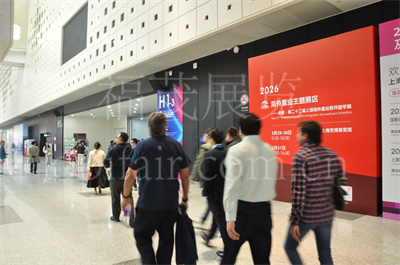
For those new to investing, the biggest challenge is often not choosing projects, but rather not knowing where to begin. The market is flooded with investment information, with significant differences between industries and business models. Without basic knowledge, it’s easy to make incorrect judgments due to information overload. Investment expos bring together multiple industries and investment projects of different types, allowing beginners to understand market structure and investment logic in a unified setting. Through on-site interactions and project comparisons, many previously abstract investment concepts become more intuitive. Therefore, these expos offer valuable introductory resources for investment novices. Concentrated Display Helps Build Basic Knowledge Multiple investment directions presented simultaneously. Investment expos typically cover real estate, finance, and industrial projects, allowing beginners to experience different investment types at once. Reduces the problem of fragmented information: Observing multiple projects in the same environment helps in understanding the basic investment structure. This approach helps build initial knowledge. On-site Interaction Reduces the Difficulty of Understanding Face-to-face communication makes information absorption easier. Project representatives or advisors will explain the project model, revenue sources, and basic risks. Interactive sessions ensure timely answers to questions. Beginners can directly ask questions, improving comprehension efficiency. This exchange enhances the learning experience. Comparing Multiple Projects Cultivates Judgment Skills Horizontal analysis makes differences more apparent. Different projects vary in risk, cycle, and return; comparison makes it easier to identify key characteristics. Simultaneously, the analytical process enhances judgment awareness, allowing beginners to gradually understand which types of investments best suit their funds and goals, thus optimizing their investment approach. Throughout the investment expo experience, novice investors can gradually build basic knowledge in a centralized information environment, rather than simply learning about a single project. Multi-industry displays, on-site interactions, and comparisons between different investment models make the originally complex market structure…
 07/05/2026
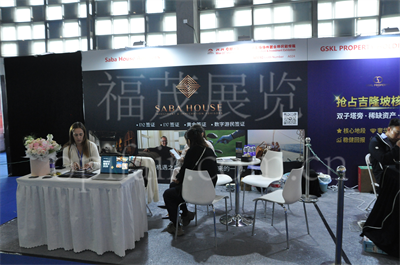
Amidst an ever-expanding array of choices in the real estate market, many homebuyers and investors—beyond simply evaluating the properties themselves—place particular emphasis on securing more favorable pricing and value-added services. Unlike the piecemeal information gathered through daily channels, real estate exhibitions typically showcase a concentrated selection of property developments from various countries or regions. By integrating on-site activities with periodic promotional offers, these exhibitions have emerged as a vital avenue for many to gain market insights and access exclusive deals. Through direct presentations by developers and side-by-side project comparisons, visitors can gain a comprehensive understanding of available listings and more easily access promotional details that are not typically made public through standard channels. Exhibitions Offer Easier Access to Limited-Time Promotions Centralized events drive the introduction of exclusive policies. Many developers offer periodic discounts or special incentives during real estate exhibitions to attract on-site attendees. Promotional offers are showcased in a centralized manner, allowing visitors to quickly gauge the magnitude of discounts across various projects within a single setting. This approach significantly enhances the efficiency with which visitors can access information regarding promotional offers. Direct Communication with Developers Enhances Price Transparency Face-to-face interactions minimize informational discrepancies. At the exhibition venue, developers typically present project pricing and current policy details directly to visitors. It becomes easier to ascertain the true extent of available discounts; furthermore, through on-site consultations, visitors may uncover information regarding additional services or supplementary benefits. This direct mode of communication ensures greater clarity regarding pricing information. Multi-Project Comparisons Help Identify Superior Value Comparative analysis highlights key differences. By simultaneously showcasing real estate projects from diverse regions and property types, exhibitions facilitate easy comparisons of pricing and promotional packages. The comparison process streamlines the selection and filtering of options. This method optimizes the overall experience of choosing a…
 06/05/2026
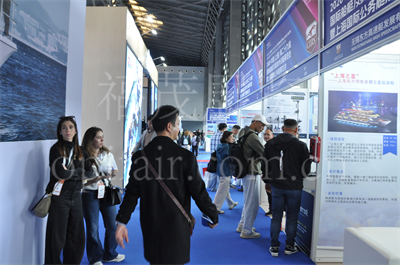
With the increasing abundance of investment channels available today, investors of all sizes are looking for suitable ways to participate. Small investors, in particular, are concerned about obtaining effective information and opportunities within a limited budget. Investment expos bring together investment projects from multiple industries and of varying sizes, allowing visitors to understand different investment thresholds and participation methods in a single setting, thus determining whether participation is suitable for them. Diversified Projects Lower the Barrier to Entry Projects of different sizes are showcased together. Investment expos typically cover real estate, finance, and asset-light projects, some of which have lower entry barriers. Small investors can filter for suitable project types based on their financial situation. This structure increases the likelihood of participation. Transparent On-Site Information Facilitates Rational Judgment Public explanations reduce information errors. Exhibit projects usually explain their funding structure, profit model, and basic risks, making them easier for small investors to understand. On-site explanations also allow for a more intuitive assessment of whether the project aligns with their risk tolerance. This approach enhances decision-making security. Comparative Environments Help Control Investment Risk Multiple projects on-site facilitate horizontal analysis. The concentrated display of different investment projects at expos helps in comparing differences in returns and risks. Smaller investors can compare and choose more stable investment opportunities. This approach optimizes the quality of their choices. Throughout the investment expo experience, smaller investors are not at an informational disadvantage; on the contrary, they can gain clearer judgment criteria through centralized displays and on-site exchanges. Diverse projects and transparent explanations enable participants with smaller capital to find options suitable for their risk tolerance, thereby enhancing the rationality and security of their investment decisions.
30/04/2026
When planning their study abroad journeys, more and more students are focusing on dual degree programs. These programs often allow students to gain academic achievements from two institutions or two different majors within the same study period, offering a significant advantage for future career development. However, dual degree programs involve many aspects, including partner institutions, course articulation, and application requirements, making it difficult to fully understand based on fragmented information alone. Study abroad expos bring together resources from different countries and institutions, and through on-site exchanges and consultations, allow visitors to gain a more intuitive understanding of the specifics of dual degree programs. Concentrated Institution Displays Make Dual Degree Information Clearer Presenting resources from multiple institutions facilitates understanding. Study abroad expos bring together numerous overseas institutions, with some schools highlighting dual degree or joint training programs. The centralized information reduces search difficulty, and browsing different programs in a unified environment helps students quickly build a basic understanding, making the program structure more intuitive. On-Site Consultations Help Understand Program Details Communication makes the content more concrete. Visitors can directly consult with admissions representatives to learn about course arrangements, partner institutions, and degree acquisition methods. Interactive learning enhances understanding; asking questions about application requirements or language proficiency helps determine if a program suits one’s individual circumstances. This communication method improves information accuracy. Multi-dimensional comparison helps in selecting suitable programs Horizontal analysis makes differences more apparent. Double degree programs at different institutions vary in terms of duration, specialization, and recognition. Choosing a program in conjunction with personal plans, by comparing course content and future career goals, allows for a more rational selection of target programs. This approach improves decision-making efficiency. In the environment of a study abroad expo, double degree programs are no longer fragmented information but are gradually clarified…
 29/04/2026
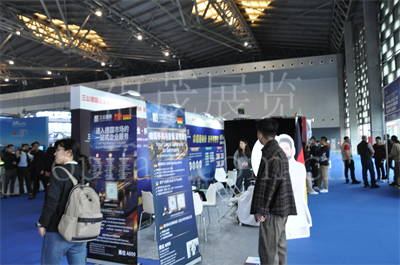
Against the backdrop of increasing demand for real estate investment and overseas property purchases, many homebuyers pay close attention to whether exhibitions can offer more favorable prices or exclusive resources. Real estate exhibitions showcase property projects from multiple countries and regions, providing project information for comparison, and often including on-site explanations of developer policies and temporary discounts. These exhibitions have indeed become an important channel for obtaining preferential information to a certain extent. Concentrated Display Makes It Easier to Unlock Limited-Time Offers Exhibitions often feature temporary promotional information, with some developers offering exclusive discounts or purchase packages during the exhibition to increase on-site sales. Furthermore, the more concentrated presentation of preferential information, with multiple projects displayed simultaneously, allows visitors to directly compare different discount levels. This environment increases the chances of obtaining preferential treatment. Direct Developer Participation Brings Price Advantages Reduced communication costs from intermediaries. Exhibitions are usually attended directly by developers or primary agents, resulting in greater information transparency. Easier access to accurate pricing policies; on-site communication often reveals whether there are internal prices or temporary discount schemes. This model increases negotiating power. Multiple Project Comparisons Help Discover Hidden Discounts Horizontal comparisons make discounts clearer. Showcasing projects from different countries or cities simultaneously allows for quick assessment of price differences and discounts. Additional benefits, such as tax breaks or complimentary services, are more easily discovered during the comparison process. This approach enhances the advantage of choice. In the actual experience of real estate exhibitions, promotional information is often not presented in isolation, but rather integrated with project displays, policy explanations, and on-site discussions. Visitors can access the latest policies from multiple developers in a short period, obtaining more valuable information through comparison and communication, thereby improving decision-making efficiency and expanding their selection. This centralized display method…
 28/04/2026
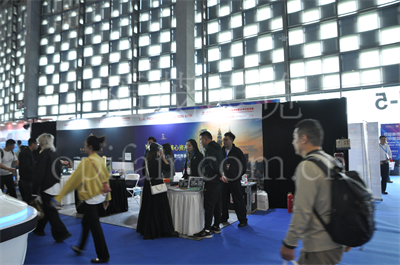
When planning immigration, many individuals face challenges such as fragmented information sources and unclear policy understanding, as application requirements, processing timelines, and target demographics vary significantly across countries. Relying solely on scattered information can easily lead to confusion. The Immigration Expo consolidates immigration programs and policy details from multiple countries, enabling visitors to gain a clearer understanding of the differences between various pathways through on-site consultations and comparative discussions—all in one centralized environment, thereby enhancing the clarity of their overall planning. The centralized display makes migration routes more intuitive The simultaneous presentation of multiple country programs facilitates comparison. Immigration expos typically bring together various types of immigration, such as investment immigration and skilled immigration, allowing visitors to learn about different pathways at once. Reduces Confusion Caused by Scattered Information: Comparing policies from different countries within the same expo helps quickly establish a basic understanding framework. This approach provides clearer direction. On-Site Consultation Supplements Key Policy Details Face-to-face communication makes information more concrete. Exhibiting organizations will explain application requirements, processing times, and cost structures in detail. Interactive interaction improves the accuracy of understanding, and consultations tailored to individual circumstances allow for a clearer determination of the appropriate option.This method reduces comprehension bias. Multidimensional comparison helps optimize planning paths Horizontal analysis improves decision-making efficiency. Comparing immigration policies of different countries within the same environment makes it easier to identify differences. Selecting immigration options based on one’s own circumstances, family needs, budget, and long-term plans allows for more rational planning. This approach makes planning more rational. In the overall experience of the immigration expo, information is no longer acquired in fragmented ways, but rather gradually forms a structured understanding through centralized display and exchange. Visitors can access immigration pathways from multiple countries in a short period and continuously refine their…
 27/04/2026
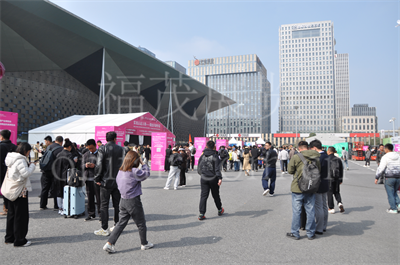
With increasingly diversified investment options and more complex information sources, many people tend to focus on only partial information when faced with different projects, lacking the ability to make overall judgments. Investment expos, by showcasing multiple industries and different types of investment projects in a unified setting, integrate information previously scattered across various platforms, allowing visitors to quickly build a basic cognitive framework. Furthermore, these events provide project demonstrations and, through on-site exchanges and comparative analysis, allow investors to more intuitively understand market structures, thus contributing to improved investment awareness. Concentrated Information Display for More Systematic Understanding Presenting multiple projects simultaneously enhances overall understanding. Investment expos typically cover real estate, finance, and various other industry investment projects, exposing visitors to different investment types. Reduces the Impact of Fragmented Information on Judgment: Comparing different project structures in a unified environment helps build a basic investment framework. This approach leads to more complete understanding. On-site Exchanges Enhance the Depth of Investment Understanding Communication ensures information goes beyond the surface. Project representatives or advisors explain the sources of returns, risk structures, and operational logic. Interactive learning enhances information absorption efficiency Asking questions allows for a deeper understanding of specific investment details, reducing misunderstandings. This exchange deepens cognitive understanding. Multidimensional Comparative Optimization of Investment Judgment Capability Horizontal comparison clarifies differences. Different projects are presented simultaneously in terms of returns, cycles, and risks, facilitating comparative analysis. The analysis process improves judgment:combining one’s own capital and risk appetite to select projects helps in forming rational decisions. This approach optimizes investment decisions. In the environment of an investment expo, information acquisition is no longer fragmented reception but rather a systematic understanding formed through centralized displays and interactive exchanges. Visitors can encounter multiple investment logics in a short time and gradually understand market differences through…
 24/04/2026
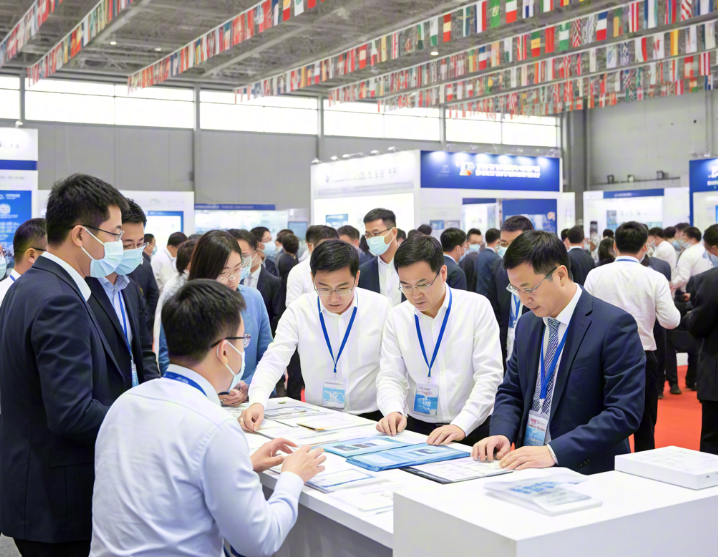
In the investment process, policy factors often directly impact project feasibility and future returns. However, relevant policy content is usually scattered and technically presented, making it easy for ordinary investors to misunderstand when researching on their own. Investment exhibitions, by showcasing different projects and industry information in a centralized manner, coupled with on-site explanations and consultations, provide visitors with opportunities to understand the policy background. In the same setting, the policy environments involved in different projects are systematically presented, allowing visitors to further understand their actual impact through interaction. This approach helps transform abstract policy content into more easily understood information, thereby improving overall judgment. Centralized Display Makes Policy Information More Accessible The gathering of multiple projects brings diverse policy content. Investment exhibitions typically cover multiple industries and fields, with each project involving corresponding policy background explanations. Simultaneously, centralized information reduces the difficulty of searching; visitors can encounter different policy content in the same setting without having to search separately. This method improves information acquisition efficiency. On-site Explanations Help Understand Policy Meaning Professional explanations make the content clearer. Project representatives or relevant personnel will explain the policy environment, helping to understand its impact on investment. The interaction process enhances understanding: Asking questions allows for a deeper understanding of policy details and scope of application, avoiding misunderstandings. This interaction makes policy information more concrete. Multiple comparisons improve judgment accuracy Different policy environments create a comparative framework. At the exhibition, policy differences between different projects or regions can be compared to determine their respective advantages. Combining policy conditions with investment objectives allows for a more rational assessment of project value. This approach makes decision-making more robust. In the environment of investment exhibitions, policy information is no longer fragmented and difficult to understand, but gradually becomes clear through display and…
 23/04/2026
Against the backdrop of increasingly complex real estate market information, homebuyers and investors face a growing number of choices. Significant differences exist between countries, cities, and projects, making it easy to arrive at incomplete or inaccurate judgments if relying solely on online information. Real estate exhibitions, by showcasing multiple projects in a single setting and providing opportunities for face-to-face interaction, allow participants to acquire more complete information in a unified environment. This direct and efficient approach makes exhibitions increasingly attractive for market research, enabling clearer decision-making. Information Concentration Improves Efficiency Simultaneous display of multiple projects reduces information fragmentation. Real estate exhibitions typically bring together real estate projects from different regions and types, allowing visitors to acquire a wealth of information at once. Unified Presentation Facilitates Quick Comparison: Comparing prices, locations, and amenities in the same space helps in quickly filtering for target projects. This centralized approach improves information acquisition efficiency. Face-to-Face Communication Enhances Trust Direct communication makes information more authentic. Visitors can communicate face-to-face with developers or consultants to understand project details and the true situation, reducing information bias during interaction. Asking questions on-site further clarifies project conditions and potential advantages. This communication approach strengthens the foundation of trust. Multi-dimensional comparison aids rational selection Comparison at the same event makes differences clearer. Different projects are presented together at the exhibition, facilitating horizontal comparison from multiple perspectives. Selecting more suitable properties based on individual needs helps reduce impulsive decisions. This approach makes choices more rational. In the environment of a real estate exhibition, information acquisition no longer relies on a single channel but rather forms a complete experience through centralized displays and on-site communication. Visitors can learn about multiple projects in a short time and make clearer judgments through comparison and communication. This efficient and intuitive approach improves…
 22/04/2026
In the investment decision-making process, project risk assessment is a crucial step influencing the final choice. However, much risk information is often hidden within the complex project structure and market background, making it difficult to grasp comprehensively through a single channel. Investment exhibitions, by showcasing multiple projects in a concentrated setting and providing opportunities for on-site exchange and comparison, allow visitors to access a wealth of information in a unified environment. Combined with direct communication with project teams and multi-dimensional comparisons, this offline setting helps to present risk factors more concretely, thereby improving the clarity of judgment and providing investors with a more complete reference basis before making a decision. Concentrated Display Makes Risk Information More Transparent Presenting multiple projects side-by-side facilitates the observation of differences. Investment exhibitions typically showcase project background, financial structure, and operating models, giving visitors a preliminary understanding of the basic situation. Concentrated Information Reduces Missed Risk Points: Comparing multiple projects in the same setting makes it easier to identify potential differences and inconsistencies. This approach helps in the initial identification of risks. On-site Communication Supplements Key Risk Details Face-to-face communication enhances the depth of information. Visitors can ask project teams or advisors about investment cycles, return stability, and potential uncertainties. Asking questions about key issues allows for a deeper understanding of project risk control measures and response plans. This communication method improves information reliability. Multi-dimensional comparison enhances risk assessment capabilities Horizontal comparison makes the risk structure clearer. Different projects presented at the same exhibition allow for comparison in terms of profit models, capital security, and industry background. Analyzing differences improves judgment accuracy: Screening based on one’s own risk tolerance helps avoid high-risk or mismatched projects. This approach optimizes overall decision-making. In the environment of investment exhibitions, risk information is no longer scattered…
 Number
Call Now:
139 1723 4508
 WeChat
 Form
FormBook Your Booth
Complete your information immediately and provide you with exclusive services!
Back to Top

