-
Whatsapp
+1 689 248 1956 -
Email
joannewong0817@gmail.com

 09/04/2026
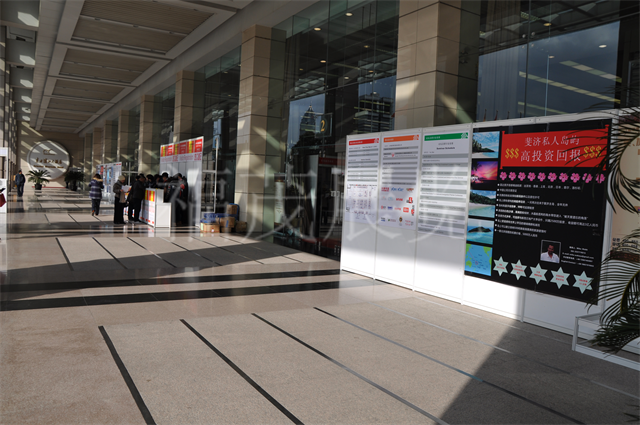
When making investment choices, many individuals are susceptible to the influence of incomplete information or cognitive biases, often leading them into common pitfalls. Faced with a complex and volatile market environment, relying solely on a single channel for information often makes it difficult to form a comprehensive understanding. Investment expos—by centralizing exhibits and facilitating face-to-face interactions—present a diverse array of projects and perspectives within a single venue, thereby providing attendees with a richer set of reference points. Through comparison, dialogue, and observation, investors can gradually identify potential risks and unrealistic expectations, enabling them to make more rational decisions and helping to mitigate the consequences of misjudgment. Comparing Multiple Projects Helps Identify Biases A comparative environment makes it easier to spot potential issues. Encountering multiple projects within the same setting allows investors to discern the differences and unique characteristics of various proposals. These distinctions help in identifying unrealistic expectations: when the terms or conditions of certain projects deviate significantly from established norms, they are more likely to catch the eye and prompt further scrutiny. The process of comparison enhances one’s ability to identify risks. On-site Interaction Helps Clarify Key Information Communication leads to more accurate understanding. Direct interaction with project representatives or advisors allows investors to delve into specific details and minimize the risk of misinterpreting information. Asking questions also serves as a means to verify the veracity of the information provided. This interactive process enhances the overall reliability of the information obtained. Multidimensional Information Supports Rational Decision-Making Diverse information sources lead to more comprehensive judgments. Expos typically feature project overviews, procedural explanations, and relevant background details, providing a solid foundation for analysis. Comprehensive analysis helps prevent blind decision-making: by synthesizing various pieces of information, investors can more clearly assess the feasibility of a project. Support from…
 08/04/2026
When keeping an eye on investment trends, many people ponder a specific question: Does an investment expo invariably present new opportunities each time it is held? Faced with an ever-shifting market landscape, the pace at which projects are updated—as well as the roster of participating entities—is constantly in flux; this inherent dynamism lends a certain fluidity to the content featured at these exhibitions. By serving as a centralized platform for showcases and dialogue, these events enable attendees to encounter new project directions or information with distinct focal points at various junctures in time. Compared to relying on a single, isolated channel, this approach makes it easier to discern emerging trends, while also affording investors the chance to refine their judgment incrementally through repeated participation—thereby significantly boosting their likelihood of unearthing fresh opportunities. Market Dynamics Drive the Continuous Renewal of Opportunities Environmental conditions specific to different stages of development invariably give rise to new investment directions. Factors such as industry evolution and policy adjustments influence the types of projects on display, ensuring that the content of the expo evolves over time. Each iteration of the expo may introduce novel projects or sectors, thereby exposing attendees to a diverse array of opportunities. Market liquidity serves as a perpetual source from which new opportunities emerge. Shifting Participants Bring Diverse Resources Changes in the lineup of participating entities inevitably reshape the structure and composition of the expo. As different companies or institutions exhibit at different times, they each bring their own unique projects and resources to the table. Consequently, the specific areas of focus highlighted during the exhibition may also undergo transformation. This dynamic ensures that every successive expo offers a distinct and unique experience. A Blend of New and Established Projects Creates Diverse Options The content featured at an investment expo…
 07/04/2026
During the application process, many students and parents face challenges such as scattered information, complex procedures, and difficulty in making choices. Study abroad fairs, as platforms for centralized display and consultation, bring together multiple universities, educational institutions, and service resources in one setting, allowing attendees to obtain comprehensive information in a short time. Through on-site interactions, access to materials, and professional guidance, students can gain a clearer understanding of the application requirements and strengths of various institutions. This centralized understanding and interactive experience helps reduce information gaps, provides reference for application strategies, and thus improves the application success rate to some extent. Centralized Information Makes Application Requirements Clear at a Glance The fair platform provides comprehensive information access. Multiple schools and institutions showcase their application requirements, program options, and scholarship policies at the fair, allowing students to quickly understand the requirements. Centralized information also facilitates initial screening: By comparing the requirements of different institutions, students can more quickly determine application opportunities that match their background. This clear display helps improve decision-making efficiency. On-site Consultation Provides Professional Guidance Interactive exchanges make the application process clearer. Students can directly consult with university representatives or study abroad advisors to understand application details, material preparation, and deadlines. Communication also helps uncover potential strengths: professional advice can guide students to choose more suitable universities and programs, enhancing their competitiveness. This guidance makes application strategies more targeted. Comparing multiple universities optimizes application plans The comparison process helps form rational choices. By understanding the conditions, strengths, and application requirements of multiple universities simultaneously, students can choose the most suitable combination. Analyzing differences enhances confidence in choices: Comprehensively considering the probability of admission and personal interests makes it easier to develop a reasonable application plan. This multi-dimensional comparison makes strategies more scientific. Study abroad fairs,…
 03/04/2026
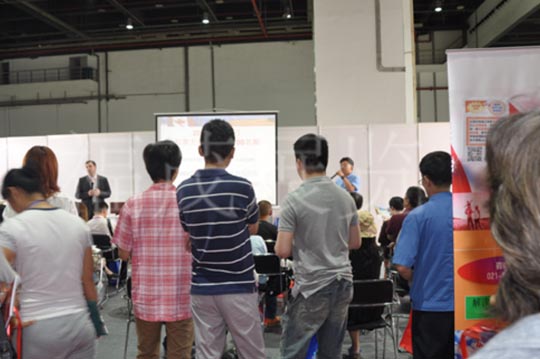
When considering attending overseas property exhibitions, many people weigh the time investment against the actual gains. With numerous information channels available, the continued value of offline exhibitions becomes a question worth considering. Overseas property exhibitions, by showcasing projects from multiple countries and providing opportunities for face-to-face interaction, allow attendees to access richer content within a limited time. This format helps to quickly build an overall understanding and makes comparison and selection more intuitive. Centralized Information Improves Time Efficiency A unified platform makes information acquisition more efficient. Exhibitions bring together property projects from multiple countries and regions, allowing attendees to browse a variety of options in a short time. Reduces Time Waste from Repeated Searches: Comprehensive information can be obtained without repeatedly searching across different channels. This centralized approach makes the time investment more valuable. On-site Interaction Enhances Judgment Speed Communication makes information understanding more direct. By communicating with project owners or consultants, key points can be quickly grasped, reducing misunderstandings. The Q&A process also speeds up the selection process: Obtaining answers tailored to individual needs helps to quickly identify areas of interest. This interaction makes decision-making more efficient. Multi-project comparison improves selection quality The same setting facilitates horizontal comparison. Different projects are presented simultaneously on-site, allowing visitors to directly compare their features and advantages. The comparison process also helps optimize choices: by analyzing differences, unsuitable options can be eliminated more quickly. This approach makes time investment more worthwhile. In the environment of overseas property exhibitions, time investment often translates into clearer information and more efficient judgment. Visitors can gain a concentrated understanding of multiple projects and gradually clarify their direction through communication and comparison. This experience helps reduce impulsive decision-making and makes subsequent actions more targeted. Furthermore, repeated participation allows for continuous refinement of judgment…
 02/04/2026
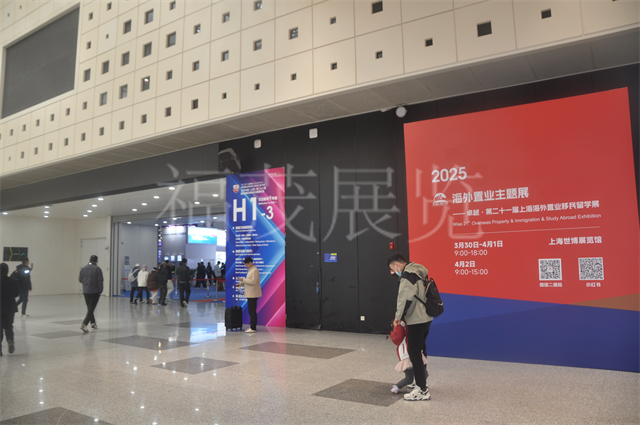
When faced with real estate investment choices, many people hesitate due to information asymmetry or unclear judgment. This is especially true when dealing with overseas markets, where differences in policies, prices, and environments across regions can easily lead to uncertainty. Real estate exhibitions, by showcasing projects in a concentrated manner and providing opportunities for on-site interaction, allow investors to access information from multiple sources in a single space. Looking at the formats of overseas real estate exhibitions presented on relevant platforms, this scenario demonstrates its ability to foster intuitive understanding. Through comparison of multiple projects and communication, initially vague judgments gradually become clearer, thereby boosting investment confidence to some extent. Concentrated Display Makes Information More Transparent and Intuitive Presenting multiple projects simultaneously helps reduce cognitive biases. Exhibitions bring together real estate projects from different countries and regions, allowing investors to directly understand prices, locations, and basic information. Intuitive information also makes it easier to form a basis for judgment: On-site observation and data acquisition reduce reliance on a single source of information. This transparency helps enhance trust. Face-to-Face Communication Enhances Understanding Depth Communication moves information beyond the surface. Investors can directly communicate with project owners or consultants to learn more details and background information. Interactive processes can also resolve doubts: Asking questions about issues of personal concern helps alleviate concerns. This in-depth understanding helps strengthen confidence in judgment. Multiple comparisons aid in rational decision-making The comparison process makes advantages and disadvantages clearer. Comparing different projects in the same environment allows for the rapid identification of differences and characteristics. The analytical process also clarifies thinking: considering price, location, and development potential helps in selecting more suitable options. This rational analysis enhances decision-making confidence. In the environment of real estate exhibitions, information acquisition and communication are more direct, allowing…
 01/04/2026
When making investment decisions, understanding the latest preferential information is crucial for reducing costs and optimizing returns. Investment expos, as centralized platforms, bring together multiple projects and services in a single setting, allowing visitors to access a wealth of information resources in a short time. Through on-site consultations and interactions, visitors can directly learn about various preferential policies and event arrangements, gaining a more intuitive and reliable reference than simply obtaining information online. Centralized Display Facilitates Quick Grasp of Preferential Information Simultaneous presentation of multiple projects makes information acquisition more efficient. Investment expos bring together different companies and projects, allowing visitors to learn about various preferential policies and event arrangements at once. Horizontal Comparison Helps Discover More Valuable Opportunities: By observing the conditions and offers of multiple projects simultaneously, it’s possible to quickly filter options that suit one’s needs. This centralized model makes information acquisition more convenient. On-site Consultation Improves Information Accuracy Face-to-face communication makes preferential information clearer. Visitors can directly ask project representatives or consultants about applicable conditions and specific rules for preferential offers, avoiding misunderstandings. Interactive communication can also uncover hidden offers: Asking questions may reveal exclusive preferential information available only on-site or during specific time periods. This method makes preferential information more reliable. Multi-faceted comparisons facilitate rational selection The differences in offers across various projects are presented intuitively. By comparing the details, duration, and scope of various offers, visitors can assess actual value. Comparative analysis helps optimize investment strategies: considering offers in conjunction with project characteristics makes it easier to determine the optimal choice. Multi-angle comparisons lead to more robust decision-making. In the environment of an investment expo, promotional information is presented in a concentrated manner, and clearer understanding can be gained through communication and comparison. Visitors can quickly grasp the promotional…
 31/03/2026
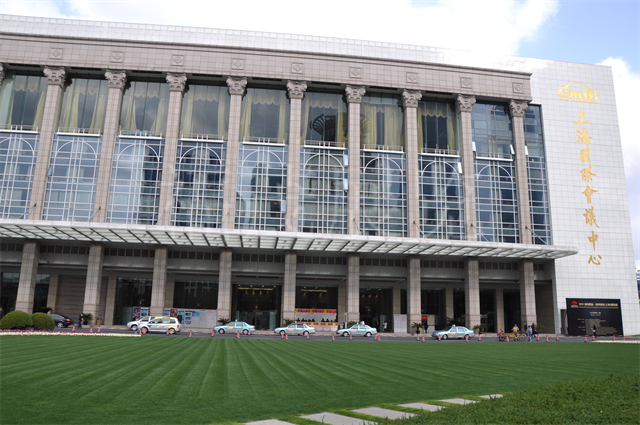
When planning immigration strategies, many people focus on the diversity and internationalization of programs. Immigration exhibitions, as centralized platforms, bring together immigration programs from different countries in one setting, allowing visitors to quickly understand multiple options. Through on-site demonstrations and consultations, visitors can grasp the policies and conditions of various countries and directly compare program features and investment requirements. This environment makes information more transparent and helps visitors form a holistic understanding of international programs, providing reliable references for subsequent decisions and making immigration planning more directional and actionable. Multi-Country Programs Broaden Choices Centralized displays make international programs readily apparent. Immigration exhibitions typically cover programs from multiple countries and regions, allowing visitors to understand opportunities in different markets at once. Diverse Choices Facilitate Horizontal Comparison: By understanding programs from multiple countries simultaneously, visitors can quickly identify programs that match their own conditions and needs. This centralized model broadens the range of choices. On-Site Consultations Provide an International Perspective Face-to-face communication helps understand the requirements of different countries. Exhibiting organizations or consultants will introduce the immigration policies, investment conditions, and procedures of various countries, making the information more intuitive. Interactive communication can also uncover potential opportunities: Visitors can ask questions about their individual needs and obtain specific applicability and advantages analyses of programs from various countries. This approach makes understanding international programs more concrete. Comparative analysis facilitates the selection of suitable programs Differences between programs from different countries are clearly demonstrated. By comparing the conditions, costs, and time requirements of different countries, visitors can determine the suitability of a program. The analytical process helps in strategy development: Combining policy, cost, and long-term planning helps in choosing a solution that better aligns with one’s goals. Multi-dimensional comparison makes the selection process more rational. Immigration exhibitions, through centralized displays and…
 30/03/2026
When choosing a study abroad path, many families and students face the challenges of fragmented information and complex procedures. Study abroad fairs provide a centralized platform for understanding and consulting, bringing together multiple schools, educational institutions, and service resources in one setting. Through on-site demonstrations, explanations, and interactive exchanges, visitors can quickly learn detailed information about different countries, schools, and programs. This centralized experience saves time on information gathering and makes the entire study abroad preparation process clearer, enabling students and parents to fully grasp the possibilities and make more rational judgments. Gathering Multiple Resources Facilitates Comprehensive Understanding Centralized displays make information acquisition more efficient. Fairs bring together multiple schools, educational institutions, and study abroad service teams, allowing visitors to understand multiple options at once. Centralized information also facilitates comparison of advantages and disadvantages: Different schools and programs are presented in the same environment, helping students quickly filter options that meet their needs. This centralized model makes a one-stop experience more feasible. On-site consultations provide personalized services Face-to-face communication ensures timely answers to questions. Professional consultants can provide specific advice based on students’ backgrounds, interests, and goals, making the information more relevant to their individual circumstances. The interactive process also enhances the selection process: through questions, parents and students can learn about admission requirements, application procedures, and scholarship policies. This service model makes planning more targeted. Multi-stage support creates a complete process experience The expo not only provides information but also covers multiple stages. This includes school introductions, application process explanations, visa policies, and follow-up services, allowing participants to understand the entire study abroad preparation process. Integrated information simplifies operations: visitors can access information from multiple sources in a single setting, reducing the time cost of external searches. Multi-stage coverage makes the one-stop experience more complete. Through…
 28/03/2026
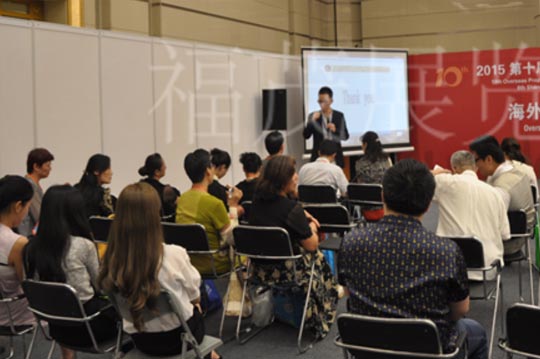
When seeking cooperation opportunities, many people prioritize efficiency and authenticity, especially when faced with multiple investment projects. The ability to quickly establish connections becomes crucial. Investment expos, through centralized displays and face-to-face exchanges, provide a space for direct communication between project owners and investors. In this environment, one can learn about project details and further explore cooperation possibilities. Compared to online communication, on-site interactions are more intuitive and easier to build trust, allowing cooperation to progress from initial understanding to actual engagement, creating conditions for future development. On-site exchanges provide direct communication channels for cooperation Face-to-face communication makes cooperation easier to initiate. Visitors can directly communicate with project owners or relevant personnel, quickly understanding cooperation models and basic requirements. This method reduces information transmission errors: real-time communication allows for timely confirmation of details, leading to greater consensus between both parties. Direct communication makes the starting point for cooperation clearer. Instant connection improves the efficiency of cooperation The centralized environment shortens communication paths. At the expo, multiple projects can be quickly accessed, and after screening, in-depth communication can begin directly. Improved efficiency also helps seize opportunities: when both parties have clear intentions, information can be exchanged on the spot or further cooperation steps can be agreed upon. This pace makes cooperation smoother. Multi-party participation increases the possibility of cooperation Resource aggregation makes choices more diverse. Exhibitions typically bring together different types of projects and service providers, offering more combinations for cooperation. Diverse environments also promote cross-sector connections. This diversified structure enriches cooperation opportunities. In the context of investment expos, cooperation is no longer limited to a single channel but progresses gradually through communication and screening. Visitors can access multiple projects to find cooperation directions that better suit their needs, while also building initial trust through communication….
28/03/2026
Many people face the problem of scattered information when searching for investment opportunities. Different projects are distributed across various platforms, making the selection process time-consuming and laborious. Investment expos, through centralized display, bring together projects from multiple fields and types in one setting, allowing visitors to access richer content in a short time. Compared to searching for information individually, this offline environment is more intuitive and facilitates comparison and communication. Through on-site browsing and communication, visitors can quickly gain an overall understanding of different projects, providing direction for further in-depth research and making the selection process more efficient and organized. Centralized display makes multiple projects clear at a glance A unified platform allows different resources to be presented simultaneously. Investment expos typically gather projects from multiple industries and fields, allowing visitors to browse multiple options at once. This approach reduces information retrieval time by allowing users to grasp the fundamental details and features of various projects without switching between multiple channels. Centralized presentation makes information acquisition more convenient. On-site comparison improves screening efficiency It is easier to make horizontal judgments in the same space. By comparing the conditions and directions of different projects, differences and advantages can be quickly discovered. The intuitive experience also enhances the speed of judgment. This approach makes decision-making more informed. Interactive communication expands project understanding Communication leads to a deeper understanding of projects. By communicating with staff, more detailed information can be obtained, supplementing the presentation content. The Q&A process can also uncover potential opportunities: receiving personalized recommendations helps identify project directions that better align with individual needs. Interaction makes project selection more flexible. In the environment of an investment expo, multiple projects are no longer scattered but are presented and discussed in a concentrated manner, forming a holistic understanding. Visitors can…
 27/03/2026
When faced with numerous overseas property projects, efficient filtering is a major concern for many investors. Relying solely on online resources or fragmented channels often leads to overwhelming information and difficulties in comparison. Overseas property exhibitions, by showcasing projects from different countries and types in a unified space, allow visitors to quickly access key information. Through on-site demonstrations and communication, the filtering process eliminates the need for repeated research, enabling initial judgments to be made quickly. This approach not only improves efficiency but also provides a more focused selection process, laying the foundation for further in-depth understanding. Centralized Display Makes the Filtering Path Clearer A unified setting reduces interference from scattered information. Multiple countries and projects presented at the same exhibition allow visitors to quickly browse different property types and price ranges. Comparing multiple projects in the same environment helps to quickly eliminate options that do not meet requirements. This method makes filtering more efficient and organized. On-site Communication Helps Identify Key Projects The interaction session makes judgments more accurate. By communicating with staff, you can quickly understand the core information of a project, such as location, purpose, and basic conditions. Asking questions can speed up the screening process: Asking questions tailored to individual needs helps narrow down the choices quickly. This interactive approach makes the screening process more relevant to actual needs. Multi-dimensional information supports rapid decision-making It not only focuses on the property itself but also involves multiple aspects. Exhibitions often include information on market conditions and policy background, providing more references for screening. Comprehensive information helps improve judgment efficiency: Combining different factors allows for a faster determination of priority projects. Multi-faceted support makes the screening process more complete. Through overseas property exhibitions, investors can access a large amount of project information in a short…
 27/03/2026
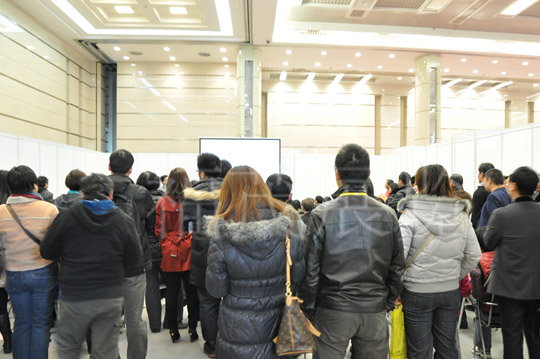
Many people attending various exhibitions when considering overseas property investment often wonder: do each event introduce new projects? Compared to a one-time visit, continuous attention allows investors to observe market changes more comprehensively. Overseas property exhibitions typically bring together project resources from multiple countries and regions, and their content is often updated based on market dynamics at different times. This allows attendees to see changes in existing projects and access new properties and investment opportunities, providing a more comprehensive understanding and more reference points for decision-making. Market Changes Drive the Emergence of New Projects The market environment at different stages affects the pace of project updates. The real estate market is influenced by factors such as policy and demand, and new projects are gradually launched along with the development cycle. Exhibition organizers introduce new properties based on market conditions, keeping the exhibits updated. Therefore, each visit offers the opportunity to access different information. Changes in Exhibitors Lead to Content Differences Changes in participants affect the exhibition presentation. Different organizations exhibiting at different times may bring their own new projects or key promotional content. The focus of the exhibition will also vary: even the same organization may adjust its project portfolio according to different stages, offering visitors new options. This fluidity allows for variation in the exhibition content. Project updates and continuations coexist Not all content will be completely replaced. Some mature projects may continue to be showcased, facilitating long-term observation and comparison by visitors. The combination of old and new makes the information more complete. This approach allows visitors to both observe changes and make continuous judgments. Overseas property exhibitions typically introduce new projects while retaining some stable resources, creating a balance between updates and continuations. Through repeated participation, investors can gradually accumulate information and develop…
 Number
Call Now:
139 1723 4508
 WeChat
 Form
FormBook Your Booth
Complete your information immediately and provide you with exclusive services!
Back to Top

