-
Whatsapp
+1 689 248 1956 -
Email
joannewong0817@gmail.com

 21/04/2026
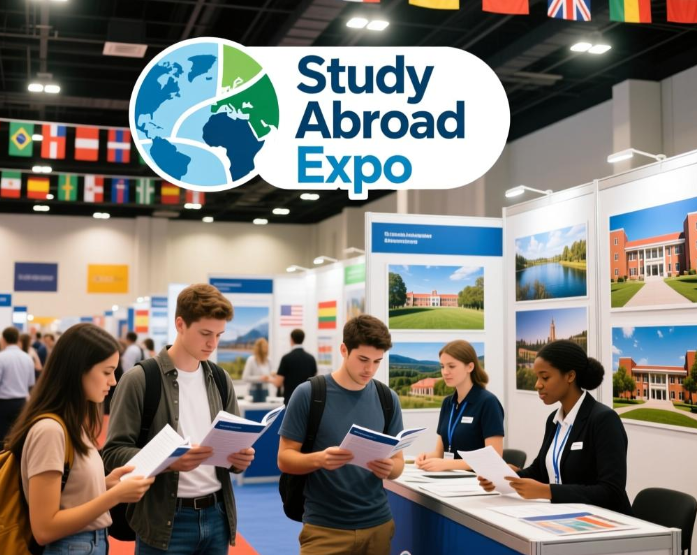
When planning their study abroad journey, many students focus on the courses and institutions themselves, but also consider the availability of internships and future practical resources. Overseas internship experience is often closely related to professional development and career paths, but relevant information is scattered, and searching individually can easily lead to missing key details. Study abroad expos, by showcasing institutional and program resources and providing on-site consultations, allow visitors to directly understand the internship arrangements and practical opportunities offered by different schools. This approach helps to concretize previously vague information and provides a reference for developing a more comprehensive study abroad plan. The institutional display shows the availability of internship resources Concentrated presentations make information more intuitive. At study abroad expos, some institutions will highlight their collaborations with companies, internship programs, or practical course arrangements. Students can compare the resource allocation of different schools to initially determine which institutions value practical opportunities. This approach helps build basic understanding. On-site Consultations Provide Specific Internship Details Face-to-face communication enhances the depth of information. Visitors can consult with admissions representatives or advisors to learn about internship acquisition methods, participation requirements, and related support services. Interactive communication clarifies information: Asking questions tailored to one’s professional field helps determine if internship opportunities match one’s needs. This communication method enhances the practicality of information. Multi-school comparison helps filter high-quality resources Horizontal comparison makes advantages more apparent. Different institutions differ in internship resources, partner companies, and practical opportunities. Comparison reveals key strengths. Analyzing these differences improves selection efficiency. Considering internship opportunities in conjunction with course content and career goals helps in selecting more suitable institutions, making decisions more rational. In the environment of a study abroad expo, overseas internship opportunities are no longer simply introduced but gradually presented in more detail through demonstrations and…
 20/04/2026
When planning their immigration, many people not only focus on policies and application requirements but also pay close attention to the living environment of their destination country, such as the quality of education, healthcare system, cost of living, and social atmosphere. However, relying solely on online information or scattered introductions often fails to provide a comprehensive understanding. Immigration expos, by showcasing immigration programs and lifestyle information from multiple countries and regions in a unified setting, allow visitors to quickly gain a more intuitive comparison and understanding, thus making a more systematic judgment on whether long-term residence and development are suitable. Multiple Country Showcases Highlight Differences in Living Environments Concentrated Information Makes Comparisons More Intuitive. Immigration expos typically cover programs from multiple countries and introduce basic information such as local education, healthcare, employment, and cost of living. Visitors can quickly compare the living conditions and residential characteristics of different countries in a single setting. This approach makes the differences more clearly visible. On-Site Consultations Provide Real-Life Details Exchanges Make Information More Specific and Credible. By communicating with immigration consultants or agencies, you can learn about the local community environment, climate characteristics, and convenience of life. Interactive learning enhances information depth: Asking questions tailored to individual needs helps determine if one is suited to the local lifestyle. This communication brings understanding closer to reality. Multi-dimensional information aids in holistic judgment It goes beyond focusing on a single factor, employing a comprehensive evaluation. Exhibition information typically covers policy conditions and living environments, allowing visitors to conduct overall comparative analysis. A holistic perspective improves judgment quality: Combining family needs with long-term planning allows for a more rational choice of a suitable country to live in. This approach makes decision-making more comprehensive. In the context of immigration expos, the living environments of…
 18/04/2026
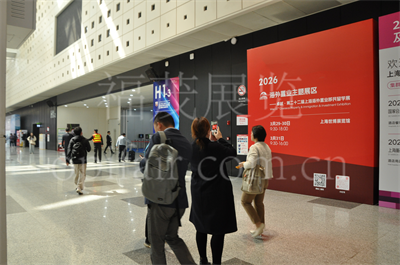
The 22nd WISE Property Expo wrapped up with great success from March 29 to 31 at the Shanghai World Expo Exhibition & Convention Center, marking another milestone for one of the industry’s most influential international real estate events. Over the course of three dynamic days, the expo brought together leading developers, agencies, and investment experts from across the globe. Exhibitors showcased a wide range of high-quality overseas property projects, covering key markets such as the United States, the United Kingdom, Australia, Canada, Southeast Asia, and more. The event attracted a large number of visitors, including investors, homebuyers, and families exploring international education and migration opportunities. The exhibition floor was vibrant and engaging, with attendees actively participating in face-to-face consultations, project presentations, and exclusive deal discussions. Many exhibitors reported strong interest and high-quality leads, reflecting continued demand for global real estate investment and diversification. In addition to property showcases, the expo also featured a series of professional seminars and forums. Industry experts shared insights on global market trends, investment strategies, immigration policies, and overseas education planning. These sessions provided valuable guidance for visitors navigating increasingly complex international markets. The success of the 22nd WISE Property Expo once again highlights Shanghai’s role as a key hub for global real estate exchange and investment. It also demonstrates the resilience and vitality of the overseas property sector in a changing economic landscape. With strong participation, high engagement, and positive feedback from both exhibitors and visitors, the event has set a new benchmark for future editions. Organizers have already begun preparations for the next expo, aiming to deliver an even more comprehensive and impactful platform for global property investment.The journey continues, and we look forward to welcoming you at the next WISE Property Expo.
 18/04/2026
When choosing a real estate project, many people face the problem of scattered information and inconsistent standards, making the judgment process complex. Different properties vary in price, location, and amenities, and without effective comparison, it’s easy to make a one-sided decision. Real estate exhibitions, by showcasing multiple types of properties in one space, bring previously scattered information together, allowing visitors to make multi-dimensional comparisons in a short time. Through on-site understanding and communication, the differences between properties are magnified, helping investors to more clearly judge their advantages and disadvantages and improve selection efficiency. Concentrated Display Makes Property Differences More Intuitive The same scene facilitates quick comparison. Different developers and projects are presented simultaneously at the exhibition, allowing visitors to directly compare prices, locations, and product types. Unified Information Reduces the Difficulty of Understanding: Observing under similar conditions makes it easier to discover the differences between properties. This method makes judging advantages and disadvantages more intuitive. On-site Communication Supplements Key Details Communication makes comparisons more in-depth. Through communication with project owners, you can understand the supporting facilities, development plans, and future development. Detailed information enhances judgment: Asking specific questions helps identify the strengths and potential weaknesses of a property. This interaction makes comparisons more comprehensive. Multi-dimensional analysis improves screening efficiency Property comparisons can be conducted from multiple perspectives, including price, location, and return potential, leading to a more complete understanding. Comprehensive judgment helps optimize choices. Screening based on one’s own needs allows for faster identification of suitable projects. This approach makes decision-making more rational. In the environment of real estate exhibitions, properties are no longer scattered information but are presented in a clear comparison through centralized display and exchange. Visitors can systematically analyze different projects through observation and communication, thereby more accurately judging their merits. This…
 18/04/2026
In a constantly changing investment environment, emerging industries often represent new growth opportunities. However, this information is usually scattered across different channels, making it difficult for ordinary investors to quickly and systematically capture trends. Investment Expo, by showcasing projects and companies from multiple sectors, present industries at different stages of development in a unified space, allowing visitors to observe market trends. Through on-site exchanges and information comparison, visitors can understand mature industries and gain easier access to growing emerging sectors, thereby improving their ability to judge future investment directions. Multi-Sector Showcases Present New Industry Trends Concentrated displays make emerging directions more intuitive. Investment Expotypically cover multiple sectors such as technology, energy, and finance, including many rapidly developing emerging industry projects. Concentrated information facilitates overall observation: Visitors can quickly identify which industries are in the growth stage through side-by-side comparisons. This approach helps capture market changes. Project Exchanges Provide Industry Development Information Communication makes trend judgments more concrete. Through exchanges with company representatives, visitors can understand the industry’s development background, technological advancements, and market prospects. Asking questions specific to a particular industry helps assess its development potential and risk structure. This approach improves the accuracy of understanding. Horizontal comparison helps identify potential industries Comparing multiple projects highlights differences. Simultaneous presentation of projects from different industries at the exhibition helps observe growth rates and resource investment. Combining market demand and development cycles makes it easier to screen for promising emerging industries. This approach optimizes investment direction. In the environment of investment Expo, emerging industries are no longer scattered information points, but gradually become clearer through concentrated displays and in-depth exchanges. Visitors can access development dynamics from multiple fields in a short time and form more comprehensive judgments through comparison and communication. This approach improves information acquisition efficiency, helps identify…
 17/04/2026
When choosing a school for studying abroad, the chosen major is often more crucial than the school’s name. The strengths of different institutions directly impact future learning experiences and career prospects. However, many students, in the initial information gathering phase, tend to focus only on the overall school introduction, overlooking the differences and details at the program level. Study abroad expos, by showcasing resources from multiple institutions and combining on-site explanations and consultations, allow visitors to more directly understand each school’s key disciplines and areas of strength. This face-to-face interaction makes program information more concrete and helps students more accurately determine whether a program aligns with their development goals, thus improving overall school selection efficiency. Concentrated Showcase Makes Strong Programs Clearer Multiple institutions presented together facilitate comparison. At study abroad expos, different schools highlight their strongest disciplines and unique program areas. Concentrated Information Reduces Screening Difficulty: Students can quickly compare the distribution of strong programs across multiple schools, rapidly building an initial understanding. This approach makes program information more intuitive. On-Site Consultation Deepens Program Understanding Face-to-face communication supplements detailed information. Visitors can directly consult with admissions representatives to learn about curriculum design, faculty strength, and career development paths. Interactive communication enhances understanding: Asking questions about areas of interest helps determine if a major aligns with personal plans. This communication makes information more specific and reliable. Multi-dimensional comparison aids in precise direction selection Horizontal comparison of the strengths of different schools and programs. The same major may have different focuses at different institutions; comparison helps identify a more suitable learning environment. Analyzing differences improves judgment efficiency: Comprehensive consideration of course content, practical opportunities, and career prospects helps in making more rational choices. This approach improves decision-making accuracy. In the environment of a study abroad expo, advantageous…
 16/04/2026
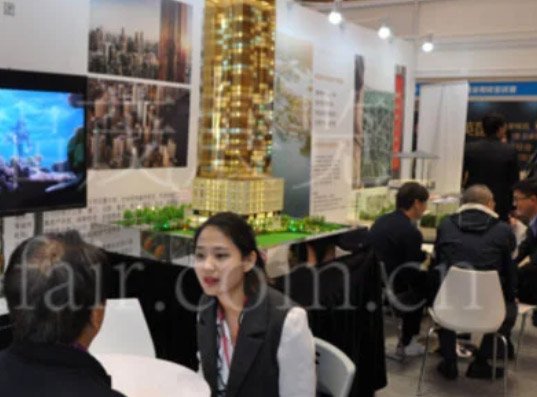
When making investment decisions, a project’s profit structure is often a crucial factor in determining its value. However, much information presented online is often generalized and lacks detailed support, making it difficult to fully understand. Investment Expo, by showcasing multiple projects and combining on-site explanations and interactive consultations, provide visitors with a more intuitive way to obtain profit information. In this environment, the sources, distribution methods, and influencing factors of different investment projects’ profits can be presented more clearly, making the originally abstract profit model more concrete, thus helping investors make more rational judgments and comparisons. On-site demonstrations make profit information more intuitive and clear Concentrated explanations make the structure easier to understand. At investment Expo, project teams typically demonstrate their profit sources and basic structure through materials, demonstrations, or explanations. Visitors can compare the profit models of different projects in the same setting, quickly establishing an initial understanding. This method makes the profit structure more visual. Face-to-face communication supplements detailed information Exchange makes the profit logic more complete. Visitors can directly ask project teams about key information such as the profit cycle, risk factors, and distribution rules. For complex revenue structures, on-site explanations can further clarify their operational logic. This interaction enhances the credibility of information. Multiple project comparisons improve judgment accuracy Horizontal comparisons make differences more apparent. Displaying different projects in the same setting facilitates observation of the differences and characteristics between revenue structures. By comprehensively analyzing revenue levels and risk factors, project value can be judged more rationally. This approach improves overall decision-making efficiency. In the context of investment Expo, revenue structures are no longer abstract concepts but are gradually clarified through demonstrations and communication. Visitors can understand the revenue models of multiple projects in a short time and deepen their understanding through comparison and…
 15/04/2026
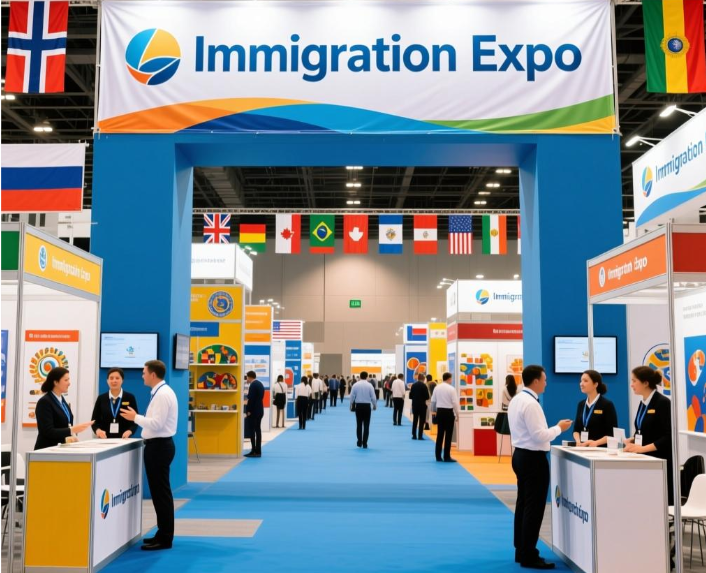
When planning an immigration path, information acquisition costs are often overlooked but have a significant impact. Different countries have complex policies and diverse program types. Relying on a single channel to search for each program is not only time-consuming but also prone to fragmented information and difficulties in comparison. Immigration expos, by showcasing multiple countries and different types of immigration programs, bring previously scattered information together in a single setting, allowing visitors to quickly gain an initial understanding and make selections. Considering the presentation format of relevant immigration expo platforms, this offline, centralized consultation and matchmaking model does indeed have a significant advantage in information acquisition efficiency, thereby reducing overall information costs to some extent. Centralized Display Reduces the Cost of Multi-Channel Searches A Unified Setting Makes Information Acquisition More Efficient. Immigration expos typically bring together immigration programs from multiple countries and regions, allowing visitors to obtain basic information in one location. Initial information gathering can be completed without browsing multiple websites or institutions separately. This centralized approach significantly reduces information search costs. On-Site Consultation Improves Information Understanding Efficiency Face-to-face Communication Reduces Repeated Confirmation. Visitors can directly consult with immigration advisors or project representatives to understand policy details, application requirements, and procedures. They can ask questions on the spot about anything unclear, reducing the time spent on repeated inquiries later. This interactive approach improves information absorption efficiency. Multiple project comparisons shorten decision-making time and costs Comparisons at the same event make selection more intuitive. Different countries and projects are presented simultaneously at the expo, facilitating quick comparison of conditions and advantages. Through horizontal analysis, incompatible options can be eliminated more quickly, focusing on key choices. This comparison mechanism improves overall decision-making efficiency. In the context of an immigration expo, information is no longer scattered across…
 14/04/2026
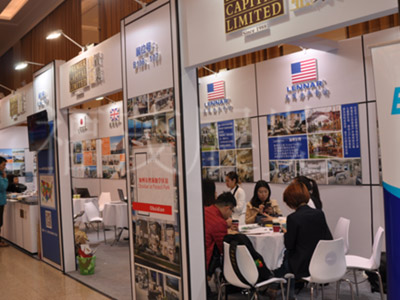
In the process of preparing for study abroad applications, the efficiency of school selection often directly impacts the overall planning pace. Faced with a wealth of information on countries, universities, and programs, relying solely on online searches or piecemeal data collection can easily lead to information duplication, difficulty in comparison, and excessively long decision-making times. Study abroad expos, by showcasing resources from multiple institutions and providing on-site interaction, compress the complex information environment into a single space, allowing students and parents to complete initial screening and judgment in a short time. This offline, centralized consultation model does indeed improve information acquisition efficiency to some extent and makes the school selection process more intuitive and systematic. Centralized Display Enables Rapid Information Gathering The concentrated appearance of multiple schools reduces information fragmentation. Study abroad expos typically bring together universities from multiple countries and regions, allowing visitors to understand the basic information of different institutions in a single setting. Furthermore, the unified presentation of information facilitates horizontal comparison; school rankings, program offerings, application requirements, and other content are displayed simultaneously, helping to quickly filter initial target institutions. This centralized approach significantly shortens information processing time. On-site Communication Accelerates the Decision-Making Process Direct communication reduces misunderstandings. Face-to-face communication with admissions representatives or consultants allows for quick access to more specific admission criteria and application details. Consultation tailored to individual backgrounds helps in quickly assessing school suitability, avoiding repetitive research. Communication efficiency improves overall decision-making speed. Multi-dimensional comparison optimizes the school selection path On-site comparison makes choices clearer. At the fair, you can simultaneously access multiple institutions, quickly comparing them in terms of curriculum, fees, and location. Differentiated information aids in rapid filtering: By comparing the strengths and limitations of different schools, you can more quickly narrow down your target range…
 13/04/2026
When selecting real estate projects, the source of information and the efficiency of communication often directly impact the quality of your judgment. Many people learn about properties online, but this can easily lead to information asymmetry or communication delays. Real estate exhibitions, through their centralized display format, place developers and investors in the same communication environment, making the communication path more direct. Looking at the content of overseas real estate exhibitions presented on relevant platforms, it’s clear that these events showcase the projects themselves and provide opportunities for both parties to establish connections. Through on-site communication and comparison, visitors can gain a clearer understanding of the project and thus determine whether further cooperation is possible. Developer Participation Offers Direct Communication Opportunities This format makes information acquisition more efficient. At the exhibition, developers typically set up booths to showcase their projects, allowing visitors to directly learn about property information and development background. Face-to-face communication reduces misunderstandings. This direct connection method improves communication efficiency. On-site Interaction Helps to Gain a Deeper Understanding of the Project The communication environment makes information more concrete. Visitors can ask developers about project plans, supporting facilities, and future development directions. The question-and-answer process can also resolve doubts. This interactive approach fosters a more comprehensive understanding. Multi-project comparison enhances selection and judgment The same setting facilitates horizontal comparison. Projects from different developers are presented simultaneously, allowing visitors to directly compare their characteristics. The comparison process also helps in selecting targets: by analyzing differences, suitable projects can be identified more quickly. This approach makes choices more rational. In the environment of a real estate exhibition, the distance between developers and visitors is effectively shortened, and communication becomes more direct and efficient. Visitors can obtain more authentic information and gradually build trust through interaction. This…
 11/04/2026
When evaluating an investment project, returns are often a key focus, but fragmented information alone is insufficient for a complete judgment. Investment expos, by showcasing different projects, provide visitors with an opportunity to understand profit models and return logic. Exposuring multiple investment directions in the same setting allows for the acquisition of basic data and further comprehension of underlying influencing factors through interaction. This environment gradually concretizes the previously abstract concept of returns, helping investors build a clearer cognitive framework and thus make more rational decisions. Project Showcases Provide Basic Return Information The showcased content makes the return structure more intuitive. Most projects introduce expected return methods and related conditions, helping visitors build an initial understanding. Information presentation also facilitates quick filtering: by browsing the return models of different projects, one can determine whether they meet their expectations. This basic information provides a basis for further analysis. On-site Communication Helps Understand Return Logic Interaction clarifies the meaning behind the data. Communicating with project teams allows for understanding the sources of returns, influencing factors, and other aspects, enhancing the depth of understanding. Inquiring about risks and cycles allows for a more comprehensive assessment of returns. This interactive approach brings judgments closer to reality. Multiple project comparisons improve judgment accuracy The comparison process makes differences in returns more apparent. Comparing the return methods of different projects in the same setting reveals their respective characteristics. Analyzing these differences helps optimize choices. This approach makes evaluations more rational. In the environment of an investment expo, return information is no longer isolated but is gradually understood through display and exchange. Visitors can encounter multiple return models in a short time and form clearer judgments through comparison. This process helps reduce impulsive decisions and makes investment planning more organized. As information…
 10/04/2026
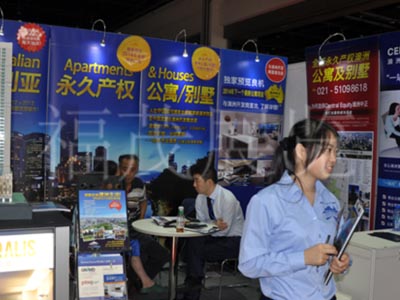
When considering overseas real estate investment, many people are keen to know whether developers participate directly in exhibitions, as this bears directly on the authenticity of information sources and the efficiency of communication. As observed through various relevant platforms, overseas real estate exhibitions typically center on project showcases and resource matchmaking, drawing a diverse array of participants into a shared environment for exchange. As key providers of these projects, developers frequently attend these exhibitions in person to engage in face-to-face dialogue with investors. This format facilitates more direct information transmission and enables visitors to gain a clearer understanding of a project’s background and specific details, thereby enhancing the accuracy of their overall assessment. Developer Participation Enhances the Directness of Information Sources The physical presence of project providers makes communication more efficient. Developers showcase their own projects at the exhibition, allowing visitors to access property listings and development updates directly. It minimizes information distortions that can arise from intermediary channels. This mode of participation fosters greater information transparency. On-Site Interaction Facilitates In-Depth Understanding of Project Details Direct communication ensures that information goes beyond mere surface-level details. Visitors can inquire with developers regarding project planning, supporting amenities, and future development trajectories. The interactive process also serves to resolve queries: by discussing specific personal requirements, visitors can better determine whether a project aligns with their expectations. This approach leads to a more comprehensive understanding. Multi-Party Participation Creates a Diverse Exhibition Structure Exhibitions feature not only developers but also other relevant stakeholders. Service agencies, consultancy teams, and other entities are often present to provide supplementary information on projects from various perspectives. Information from multiple sources strengthens the basis for decision-making: when comparing different projects and resources, investors can conduct a more comprehensive and balanced evaluation of their options. This structural diversity enriches…
 Number
Call Now:
139 1723 4508
 WeChat
 Form
FormBook Your Booth
Complete your information immediately and provide you with exclusive services!
Back to Top

