-
Whatsapp
+1 689 248 1956 -
Email
joannewong0817@gmail.com

 13/12/2025
Driven by globalization, overseas property investment has gradually shifted from being an exclusive choice for high-net-worth individuals to becoming an important path for middle-class families to diversify their assets. Whether it’s for early planning for children’s education, seeking stable rental returns, or mitigating investment risks, information asymmetry and procedural complexity often become the biggest obstacles in the decision-making process of overseas property purchases. Mastering core strategies and key aspects is essential to achieving controllable risks and maximized returns in cross-border property investment. Clearly defining the motivation for purchasing is the primary prerequisite. For owner-occupiers, priority should be given to the maturity of supporting amenities, such as school district resources, medical facilities, and public transportation coverage. Investment buyers should focus on rental yields and long-term appreciation potential, such as small apartments near core business districts or townhouses in emerging development areas. For vacation properties, the scarcity of natural landscapes and occupancy rates during peak tourist seasons should be assessed. For example, in a certain Middle Eastern country, apartments in the core business district, due to their proximity to international schools and shopping centers, can achieve annual rental yields of 5%-7%, while villas in seaside resort areas, although priced higher per unit, have occupancy rates exceeding 80% during peak seasons, creating a differentiated return model. Funding preparation and compliant operations are the core challenges of cross-border property purchases. Most countries set down payment thresholds for foreign homebuyers, with some requiring a minimum of 50% and proof of funds. Exchange rate fluctuations can be hedged by purchasing foreign currency in installments or using foreign exchange derivatives, such as leveraging family members’ annual foreign exchange quotas to distribute the exchange burden. Tax compliance is equally crucial. Some countries levy additional stamp duty on non-resident home purchases, and holding the property may involve ongoing expenses…
 12/12/2025
In the complex ecosystem of the real estate market, real estate agents play a crucial role in connecting supply and demand, facilitating transactions. They shuttle between buyers and sellers, using professional services to break down information barriers and market insights to safeguard transactions. They are both the lubricant of the industry and a hub for resource integration. From the leasing and sale of ordinary residential properties to the leasing and operation of commercial real estate, from in-depth cultivation of the local market to the expansion of cross-border investment, the professional boundaries of real estate agents are constantly expanding with market development, and their professional value is becoming increasingly prominent. The essence of a real estate agent is a professional service provider practicing law. According to industry standards, they must pass systematic examinations or certifications, master core knowledge such as real estate transaction systems, laws and regulations, and market analysis, and obtain professional qualifications before they can conduct business. This profession covers multiple sub-sectors: in primary home sales, they act as a bridge between developers and homebuyers, accurately conveying project value and answering client questions; in secondary home transactions, they undertake the entire process of property verification, price negotiation, and contract signing, ensuring compliance and transparency; in the rental market, they match tenant needs with landlord conditions to facilitate long-term and stable rental relationships. With the acceleration of globalization, cross-border real estate investment has become a new hotspot. Real estate agents with an international perspective and familiarity with overseas regulations are becoming increasingly sought-after in the market. They not only help clients complete cross-border transactions but also provide value-added services such as tax planning and immigration consultation. Professional competence is the core competitiveness of real estate agents. Information integration ability is a basic requirement; they need to build a comprehensive database…
 11/12/2025
In the wave of globalization, high-net-worth individuals are increasingly diversifying their needs for asset allocation and residency planning. Traditional single-nationality and single-asset models are no longer sufficient to meet their pursuit of risk diversification, resource optimization, and improved quality of life. Real estate investment for a second citizenship, with its dual advantages of “asset appreciation + citizenship empowerment,” is becoming a strategic choice for more and more people. By purchasing real estate in a specific country, one can not only achieve global asset allocation but also simultaneously obtain residency or citizenship, opening up new possibilities for individuals and families in areas such as education, healthcare, taxation, and travel. The core logic of obtaining a second citizenship through real estate investment lies in the “deep binding of assets and citizenship.” Some countries, in order to attract foreign investment and promote the stable development of the real estate market, have introduced “real estate investment immigration” policies, directly linking real estate investment with residency or citizenship. For example, Portugal’s “Golden Visa” program allows investors to obtain five years of residency by purchasing real estate worth over €500,000 (down to €350,000 in some areas). After meeting residency requirements, they can apply for citizenship and enjoy the same rights as EU citizens, including freedom of movement, education, and healthcare. Greece’s “Golden Visa” has an even lower threshold; a €250,000 property purchase grants permanent residency to three generations of a family, and the property can be sold after five years without affecting residency status. These policies not only lower immigration barriers but also provide investors with dual protection—”residency + asset”—through the value-preserving and appreciating characteristics of real estate. Even if policies change or residency requirements evolve in the future, the property can continue to generate returns as a core asset. From an asset allocation perspective, obtaining…
 11/12/2025
In the wave of global asset allocation, cross-border real estate transactions have become an important means for high-net-worth individuals to achieve wealth appreciation and diversify risks. However, cross-border transactions involve differences in legal systems, financial policies, and cultures across countries, and even slight missteps can lead to property disputes, frozen funds, or tax risks. To ensure safe transactions, a protective network needs to be built from four dimensions: legal compliance, fund security, market research, and professional collaboration. Legal compliance is the core foundation of cross-border transactions. Different countries have significantly different regulations regarding property types, eligibility for foreign home purchases, and transaction procedures. For example, some provinces in Canada require foreign homebuyers to pay an additional 15% speculation tax, while Thailand prohibits foreigners from directly purchasing land, allowing only leasing or joint ventures. Before the transaction, it is essential to engage a local lawyer to verify the clarity of the title and confirm the absence of mortgages, co-ownership disputes, or planning restrictions. In the United States, for example, title insurance can cover losses caused by title defects, but the terms must be carefully read to avoid overlooking undisclosed debts or historical disputes. If inheritance or gifting is involved, a notarization and authentication process is required—documents must be notarized by a notary public in the location of the property and then authenticated by the Chinese embassy or consulate in that country to ensure legal validity in Chinese courts. Fund security is crucial for the smooth progress of the transaction. Cross-border remittances must strictly comply with foreign exchange control regulations. Chinese citizens can apply for a foreign exchange quota of up to US$50,000 per year from banks based on their purchase contract; any amount exceeding this quota requires approval from the foreign exchange management department. Some countries, such as Australia, require property…
 10/12/2025
As retirement becomes a priority, choosing a suitable overseas retirement destination has become a new goal for many. From the pleasant climate of Southeast Asia to the culturally rich Europe, from the relaxed pace of life in South America to the technologically advanced North America, many regions around the world have become popular retirement choices due to their unique advantages. These places not only excel in terms of natural environment, medical standards, and cost of living, but also provide diverse guarantees for retirement life in terms of cultural integration, community services, and property appreciation potential. Thailand and Malaysia in Southeast Asia have become popular retirement destinations for Chinese people due to their subtropical climate and cost-effective properties. Thailand attracts over 400,000 foreign retirees annually, with a significant proportion being elderly people from China. The slow pace of life in Chiang Mai and the convenient medical care and low prices in Bangkok offer a stark contrast: in Thailand, a comprehensive medical check-up costs only about 260 RMB, a hearty meal at a restaurant costs about 30 RMB, and the prices of tropical fruits are shockingly low. Malaysia’s property market is equally welcoming. In Penang, for example, a three-bedroom sea-view apartment costs approximately 2 million RMB, with freehold ownership and fully furnished. The community boasts amenities such as a gym and swimming pool, and is surrounded by Chinese supermarkets, traditional Chinese medicine clinics, and other convenient facilities. Language barriers are minimal, and integration into the community is seamless. Greece and Portugal in Europe attract retirees with the dual advantages of “immigration + retirement.” Greece, as the EU’s most generous pension country, offers retirees an average pension exceeding 105% of their pre-retirement salary. Furthermore, permanent residency can be obtained through property purchase, granting access to EU healthcare and education benefits. Apartment projects at…
 05/12/2025
In the wave of global economic integration, overseas real estate markets, with their unique investment appeal, attract the attention of numerous domestic homebuyers and investors. However, investing in overseas off-plan properties is not without its risks, fraught with challenges. From capital security and legal compliance to market volatility and cultural differences, every step requires careful consideration. Against this backdrop, a real estate exhibition focusing on risk management in overseas off-plan properties undoubtedly provides investors with a bridge to understand these risks and seize opportunities. The most pressing risk in overseas off-plan property investment is financial risk. Unlike domestic home purchases, overseas off-plan properties often involve cross-border capital flows, with exchange rate fluctuations, foreign exchange controls, and capital security being ever-present concerns. For example, even small exchange rate fluctuations can significantly impact investment returns; a sharp appreciation of the exchange rate during the sales period could instantly erode locked-in profits. Furthermore, the vast differences in foreign exchange policies between countries make the process of transferring funds out and inward complex and time-consuming, potentially leading to a cash flow crisis. Therefore, the presence of professional financial institutions at real estate exhibitions is particularly important. They not only provide investors with detailed exchange rate risk hedging strategies, such as using foreign exchange forwards and futures for hedging, but also assist in planning capital flow paths to ensure that every penny reaches its destination safely and efficiently. Legal compliance risk is also an indispensable aspect of overseas off-plan property investment. Each country’s real estate legal system, property registration system, and transaction process are unique, and even slight negligence can cross legal boundaries. From the clarity of property rights to transaction permits, from tax payments to contract terms, every detail requires strict scrutiny. At real estate exhibitions, on-site consultations and lectures by legal experts are…
 04/12/2025
In the 2025 US real estate market, mortgage policies and industry exhibitions are weaving a complex tapestry of opportunities. With changes in the economic environment and policy adjustments, homebuyers and investors are closely monitoring fluctuations in mortgage rates, the tightening of loan conditions, and the latest market dynamics and product information presented at real estate exhibitions. Currently, while US mortgage rates have declined from their 2022 peak, they remain relatively high, with 30-year fixed rates hovering between 6.5% and 6.8%. This level poses a significant challenge to homebuyers’ affordability. High interest rates not only increase the cost of homeownership but also lead some potential buyers to wait and see or turn to the rental market. However, it is worth noting that with wage growth and a construction boom, the pressure on the rental market has been somewhat alleviated, providing a transitional housing solution for those who cannot afford high home prices temporarily. Regarding mortgage policies, the US government is implementing a series of measures to balance market supply and demand and promote the healthy development of the housing market. On the one hand, the government has introduced a number of support policies for first-time homebuyers and low- and middle-income families, such as the CalHFA loan program, which provides eligible families with preferential interest rates and reduced down payment ratios. On the other hand, there are also specific loan preferences and housing subsidies for certain professional groups such as veterans, teachers, and firefighters to encourage them to settle down and promote community harmony. Meanwhile, real estate exhibitions in the United States are playing an increasingly important role as a crucial platform for industry exchange. These exhibitions not only bring together numerous well-known developers, real estate agencies, and financial institutions, showcasing the latest real estate projects, smart home technologies, and green building…
 03/12/2025
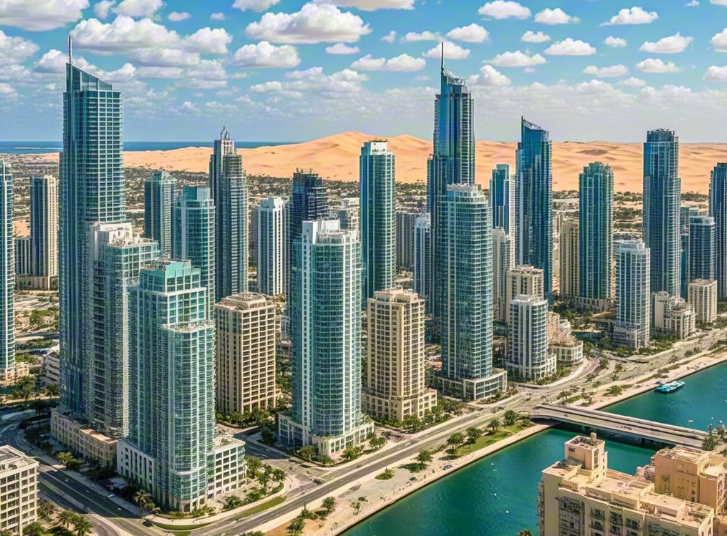
In the global real estate investment landscape, rental yield remains a core indicator for measuring asset value. While traditional investment hotspots are experiencing slower returns due to high housing prices, a number of emerging markets are rising rapidly, driven by policy dividends, industrial growth, and demographic dividends, becoming the focus of attention at overseas real estate exhibitions. These cities not only offer rental returns above the global average but also open new avenues for wealth appreciation for investors through diversified market structures and growth potential. Dubai leads the world with rental yields of 6%-8%, its tax-free policy and the dual drivers of tourism and finance creating a thriving ecosystem for its high-end rental market. In 2025, the local government relaxed the permanent ownership limit for foreigners to 999 years, directly stimulating long-term rental demand. Data shows that apartments near technology industry clusters such as Canary Wharf have seen annual rent increases of up to 18%, while the operating costs of smart apartments are 12% lower than traditional properties, further boosting net returns. At overseas real estate exhibitions, Dubai projects often attract investors with the combined advantages of “zero property tax + residency visa,” becoming a popular asset allocation option for high-net-worth individuals. Southeast Asian markets exhibit a distinct characteristic of “low cost, high return.” Phnom Penh, Cambodia, has become one of the cities with the highest rental yields globally, thanks to its open foreign investment policies and tourism recovery. For example, the City Center project, Yi Yuan, boasts an annual rental yield exceeding 10%, with some units even reaching 15%, far surpassing mature markets like Singapore (3.4%). Kuala Lumpur, Malaysia’s “Malaysia My Second Home” program has also proven highly effective, with strong supply and demand for high-end serviced apartments. Digital management tools have increased rental efficiency by 75%, driving vacancy…
 02/12/2025
The global real estate market is undergoing complex and profound changes, with significant divergence in housing price trends across different countries and regions. This divergence is the result of a complex interplay of factors, including economic fundamentals, demographic structure, policy adjustments, and international capital flows. Understanding these core drivers is crucial for seizing overseas real estate investment opportunities. The US real estate market is exhibiting characteristics of “high-level consolidation” between 2024 and 2025. Although mortgage rates have remained above 6% for an extended period, significantly suppressing housing demand, the high-end residential market in core cities remains resilient. For example, in New York City, sales of ultra-luxury apartments in Manhattan (priced over $20 million) reached a new high since 2019, and listing prices in areas like Central Park South have increased by nearly 90% year-on-year due to land scarcity. This stark contrast stems from the risk aversion needs of high-net-worth individuals and intergenerational wealth transfer—trillions of dollars in assets transferred from the baby boomer generation to the millennial generation have directly driven up asset prices in prime locations. Meanwhile, emerging areas like Brooklyn and Queens have become growth engines due to their cost-effectiveness. East Flushing, driven by new commercial complexes and excellent school districts, saw its median home price surge by 51% in a year, reflecting young families’ dual pursuit of quality living and convenient commuting. The logic behind rising house prices in Australia and Japan stems more from supply-demand imbalances and monetary factors. Australia has seen house prices rise for 18 consecutive months, with cities like Perth and Adelaide experiencing increases exceeding 14% over two years. The fundamental reason is the surge in housing demand driven by a surge in immigration. In 2023, the country’s net immigration exceeded 400,000, while the housing supply gap reached 2.1 million units, leading to…
 29/11/2025
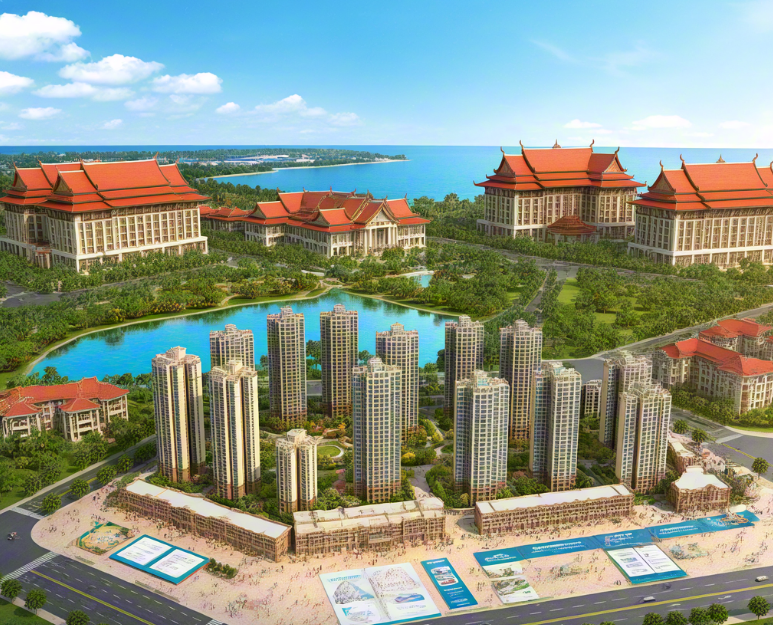
In the current context of profound restructuring of global asset allocation, Southeast Asian real estate is rapidly becoming a new focal point for global capital competition. By 2025, this region, leveraging its unique geographical advantages, policy dividends, and industrial momentum, will not only reshape the traditional real estate market logic but also, through technological innovation and sustainable development concepts, paint a future vision for investors that combines investment value with quality of life. The recent real estate expos held in various Southeast Asian countries have become a concentrated showcase of this trend, attracting global attention. The relocation of manufacturing and the rise of the digital economy are becoming the core engines driving the restructuring of Southeast Asian real estate value. As global industrial chains gradually shift to Southeast Asia, high-value-added industries such as electronics, automobiles, and biomedicine are rapidly clustering, directly driving up demand for industrial real estate and supporting residential properties. At a recent Southeast Asian real estate expo, the “New Opportunities in Industrial Real Estate” section was bustling with visitors. A case study of a regional data center cluster was prominently displayed—its implementation led to a cumulative increase of over 135% in surrounding industrial land prices over three years. Meanwhile, a “Data Center Talent Community” project achieved a 92% sales rate within six months of its launch, with an average price increase of 19% year-on-year, significantly higher than the traditional residential market. This “industry-population-supporting facilities” transmission effect is driving the Southeast Asian real estate market to evolve from a single residential function to a “production-living-ecological” composite space, becoming one of the most discussed topics among investors at the expo. Simultaneously, the digital economy continues to expand, with green building certification projects accounting for 36%, and environmentally friendly facilities such as solar panels and rainwater harvesting systems becoming standard…
 29/11/2025
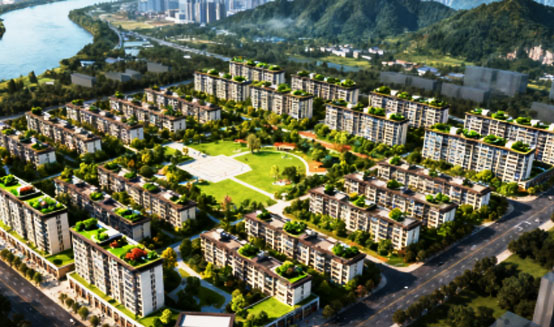
In the global wave of asset allocation, overseas real estate investment has attracted much attention due to its characteristics of risk diversification and asset appreciation. However, in the cross-cultural and cross-jurisdictional transaction process, the property handover and inspection stage is often the most easily overlooked yet crucial step for investors. From millimeter-level verification of building details to line-by-line review of legal documents, from interconnected testing of smart devices to thorough inspection of hidden works, overseas property handover has formed a sophisticated standardized system. Real estate expos, as a bridge connecting the global market and investors, are providing systematic solutions for cross-border property investment through resource integration and professional empowerment. The core of overseas property handover lies in the dual verification of “contractual integrity” and “technical standards.” Taking the UK market as an example, developers are required to issue formal notice 10-14 days before handover, and buyers must bring property documents reviewed by lawyers, proof of funds, and other materials to the site for inspection. During the inspection, professional inspectors will use laser rangefinders to confirm that the actual area differs from the contract by less than 3%, use infrared thermal imaging to detect the thickness of the wall insulation layer, and use moisture content testers to check for leaks in hidden areas. Door and window sealing needs to be tested under simulated heavy rain conditions to ensure waterproofing; electrical systems need to be verified one by one using a mobile phone charger; and smart control panels need to be operated and their interconnected functions verified. These details not only affect living comfort but also directly impact the resale value and rental income of the property. The implementation of technical standards requires professional tools and processes. In the Australian market, home inspectors use smoke detectors to test buttons to verify fire…
 26/11/2025
In today’s society, housing remains a top concern for the public. Questions like “Should I buy a house?”, “When should I buy a house?”, and “Are house prices reasonable?” all conceal a crucial issue: how to identify housing market bubbles? A housing market bubble refers to an excessive inflation of house prices driven by irrational factors, creating a false prosperity far exceeding actual value. Once the bubble bursts, it can not only shrink homebuyers’ assets but also trigger financial risks and even an economic crisis. Identifying such bubbles requires observation and consideration from multiple dimensions. First, it’s essential to pay attention to the correlation between house prices and residents’ income. Under normal circumstances, house prices should maintain a relatively stable relationship with the average income level of local residents. If house prices continue to rise rapidly while residents’ income growth lags far behind—for example, if the total price of an ordinary house requires decades of income for an average family—this may indicate a bubble risk. This is because when house prices far exceed residents’ actual affordability, market demand is more supported by speculation or borrowing than genuine housing needs, making such demand unsustainable. Second, rental yield is also an important indicator. Rental yield refers to the ratio of annual rental income to the total price of a house. If rental yields are significantly lower than other investment channels, such as deposit interest rates, government bond yields, or stock dividends, and even consistently below 1%, it indicates that housing prices may be overvalued. Rational investors weigh investment returns; when rental income cannot cover holding costs, market demand decreases, potentially leading to a bubble. Furthermore, speculative behavior in the market is also a crucial indicator of a bubble. When a large number of homebuyers enter the market with a “property speculation” mentality,…
 Number
Call Now:
139 1723 4508
 WeChat
 Form
FormBook Your Booth
Complete your information immediately and provide you with exclusive services!
Back to Top

