
-
Whatsapp
+1 689 248 1956 -
Email
joannewong0817@gmail.com

 20/12/2025
For many attendees, the initial motivation for participating in overseas real estate exhibitions is often to gain a concentrated understanding of investment opportunities in multiple countries and regions within a short period. However, in the information-dense and project-rich exhibition environment, focusing solely on property prices, promotional slogans, or short-term return expectations can easily lead to being attracted by appearances and overlooking the core factors that truly determine the success or failure of real estate investment. Against the backdrop of a constantly changing global economic environment, the logic of real estate investment is shifting from “where to buy” to “why buy.” This is especially true for overseas real estate, which involves deeper issues such as institutional differences, long-term development directions, and the suitability for individual planning. The 2026 Wise Shanghai Overseas Real Estate, Immigration, and Study Abroad Exhibition (March 29-31, 2026) brings together real estate, immigration, and education information from multiple countries and cities, providing attendees with a platform for systematic comparison and rational judgment. Is the Country and Region Stable? At exhibitions, one often sees frequently mentioned “hot countries” or “emerging regions.” However, the first step in judging the prospects of real estate investment is not to follow the hype, but to return to the long-term stability of the country and region itself. At exhibitions, visitors should focus on: the maturity of the country or region’s system; the continuity of its policies; and the clarity and transparency of its real estate regulations. A stable market with predictable rules is often more suitable as a long-term investment target than a market with short-term flashes but high uncertainty. Judging Real Demand from Population Trends The core value of real estate comes from genuine housing demand, not marketing stories. When introducing projects at exhibitions, concepts such as “development potential” and “future plans”…
 20/12/2025
With the increasing demand for global asset allocation, overseas property investment has become a focus for many investors. However, determining the optimal time to invest overseas requires a comprehensive consideration of factors such as policy, market conditions, and the economy to make an informed decision. The policy environment is a crucial variable influencing the timing of overseas property investment. Different countries and regions have constantly evolving policies regarding foreign investment in real estate. For example, some regions have implemented policies restricting the purchase of real estate by companies and individuals from specific countries, directly impacting the supply and demand dynamics of the local overseas property market. Conversely, some regions have introduced residency programs through real estate investment to attract foreign investment. For instance, some European countries offer residency status based on a certain amount of real estate investment. Such policy incentives often attract a large influx of investors, and seizing these opportunities can not only achieve asset allocation but also provide residency advantages. Investors need to closely monitor policy trends in their target regions and act decisively when policies are relaxed and foreign investment is encouraged. Market cycles are equally critical. The real estate market is cyclical, including boom, recession, depression, and recovery phases. During boom phases, prices rise continuously, and market transactions are active, but entering the market at this time may involve higher purchase costs and intense competition. During recessions or depressions, housing prices correct, and market supply becomes relatively excessive, reducing the cost of purchasing a home. However, it’s crucial to carefully assess the downside risks and determine if the market has bottomed out. For example, in one region, after experiencing market overheating, a period of adjustment led to a significant drop in housing prices. At this time, some investors with a long-term perspective began to position…
 19/12/2025
Driven by globalization, overseas property investment has become a crucial asset allocation option for high-net-worth individuals. However, significant differences exist in legal systems, property rights structures, and tax rules across countries. Ignoring compliance risks can lead to property disputes, heavy tax penalties, and even investment failure. This article analyzes the core legal aspects of overseas property investment from four dimensions: property type, legal procedures, tax compliance, and capital security, providing investors with a systematic guide. Property type is the primary consideration for overseas property investment. Most countries implement a freehold system, allowing investors to permanently own the land and buildings. Detached houses in countries like Australia and Portugal often fall into this category. However, some countries use a leasehold model, where land ownership belongs to the state or a specific institution, and investors only possess land use rights for a certain period. For example, some properties in Singapore have land leases of up to 99 years. Furthermore, apartment properties often involve shared ownership issues. Buyers only own their private area, while common areas such as corridors and elevators are shared by all owners. Any alterations to the appearance or use require the consent of more than two-thirds of the owners’ meeting. Such differences in property rights directly impact a property’s appreciation potential and inheritance prospects. Investors must verify the property’s nature with official land registry departments or professional lawyers before purchasing to avoid asset devaluation due to title defects. Compliance of legal procedures is crucial for transaction security. Property purchase procedures vary significantly from country to country, with some countries mandating lawyer involvement in title searches and contract review. For example, in Canada, lawyers must conduct title searches to confirm the absence of mortgages, disputes, or unpaid taxes; Thailand requires foreigners purchasing apartments to apply for foreign investment quotas through…
 19/12/2025
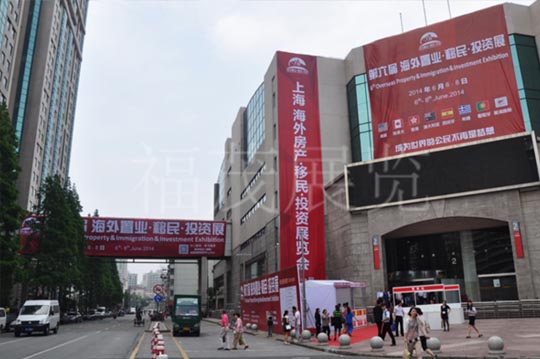
In the European immigration landscape, the Greek real estate investment immigration program continues to hold a popular position due to its “low investment, high returns” characteristics. Since the introduction of the “€250,000 real estate investment for residency” policy in 2013, the program has attracted tens of thousands of families worldwide to achieve residency through real estate investment. Despite several policy adjustments in recent years, its core advantages remain solid, making it a preferred option for middle-class families planning overseas residency, asset allocation, and children’s education. The stability of the policy framework is the core attraction of the Greek real estate investment immigration program. Under current law, non-EU citizens only need to purchase real estate worth €250,000 or more to apply for permanent residency for their entire family. This threshold is relatively low among European investment immigration programs, and there are no requirements for language, education, business background, or proof of funds. It is worth noting that after the policy adjustment in 2024, the investment threshold for some popular areas (such as tourist islands and core business districts) will increase to €500,000 to €800,000, but the classic €250,000 route can still be retained through “commercial-to-residential conversion” projects. These projects allow investors to convert commercial or industrial buildings into residential properties, with no restrictions on location, providing a flexible solution for families with limited budgets. The deep link between residency and real estate is another key feature of this policy. Applicants must hold onto real estate long-term to maintain their residency; selling the property immediately invalidates the residency status for the entire family. While this rule restricts asset liquidity, it also ensures policy continuity—as long as the property is held, residency continues. For investors, choosing a property requires considering both residential needs and appreciation potential. Data shows that properties in Athens’ city…
 18/12/2025
With the continued rise in global investment, more and more individuals and families are turning their attention to overseas real estate markets. For most investors, purchasing property is not only a means of preserving and increasing wealth, but also an important way to upgrade their lifestyle and allocate global resources. However, overseas property purchases typically involve significant capital investment, making loans a crucial option for many investors. Compared to domestic mortgage loans, overseas mortgage loans have more complex rules and conditions, involving factors such as the financial systems, legal regulations, and foreign exchange controls of different countries. Loan Feasibility Whether an overseas property purchase can be financed depends on the financial policies and banking regulations of the country where the property is located. Most countries allow non-residents to apply for housing loans, but loan amounts, interest rates, and repayment periods may differ from those for local residents. Generally, international or local banks set higher down payment ratios for overseas buyers to reduce loan risk. Meanwhile, some popular investment cities may have strict restrictions on foreign buyers, even requiring specific residency status or additional guarantees. Therefore, before planning to purchase a property with a loan, investors need to fully understand the policy environment of the target country to determine loan feasibility and available conditions. Loan Application Requirements Overseas property purchase loans typically require applicants to meet certain eligibility criteria. First, creditworthiness is a core factor in bank loan approval. A good personal credit history and stable income increase the likelihood of loan approval. Second, lending banks usually require applicants to provide detailed financial information, including income statements, tax returns, and bank statements, to assess repayment ability. Furthermore, loan applicants may need to make a relatively high down payment, typically between 30% and 50%, to reduce bank risk. Some countries may…
 18/12/2025
With globalization, more and more investors are turning their attention to overseas real estate markets. Compared to domestic real estate, overseas properties not only offer opportunities for asset diversification but also potentially higher capital appreciation potential and rental income. However, overseas real estate investment is also accompanied by many uncertainties, including differences in policies and regulations, exchange rate fluctuations, tax burdens, and changes in market supply and demand. Therefore, scientifically and comprehensively assessing the returns on overseas real estate investments has become a crucial skill that every investor must master. Effective return assessment not only helps investors measure potential returns but also mitigate potential risks, thereby enabling rational decision-making. Investment Return Analysis The first step in assessing the returns on overseas real estate investments is to identify the sources of potential income. Generally, investment returns consist of two parts: rental income, which is the cash flow obtained through renting out the property; and capital appreciation, which is the income generated by the increase in property prices due to market changes. Rental income depends not only on the rental level of the city where the property is located but also on the property type, location, renovation conditions, and rental demand. Capital appreciation depends more on market supply and demand, economic growth levels, and government policy regulation. For investors, when measuring returns, the actual rate of return should be considered, which is the net income after deducting relevant costs from rental income and potential capital appreciation. This indicator more accurately reflects the level of investment returns, providing a reliable basis for investment decisions. Risk Factor Assessment All investments carry risk, and overseas real estate is particularly complex. Assessing risk factors is a crucial part of investment return analysis. First, exchange rate risk cannot be ignored, especially in countries with high currency…
 18/12/2025
In the current evolving global economic landscape, inflation has become one of the core variables affecting asset values. As the purchasing power of currency shrinks due to persistently rising prices, the traditional function of savings as a store of value is weakened. Investors are increasingly turning their attention to tangible assets with inflation-hedging properties, among which overseas real estate, with its unique economic logic and market characteristics, is gradually becoming an important option in global asset allocation. Historical data has long validated the correlation between real estate and inflation. Taking the US market as an example, over the past fifty years, the annualized return on private commercial real estate has shown a significant positive correlation with the actual inflation rate, while the yields of stocks and government bonds have a weaker or even negative correlation with inflation levels during the same period. This characteristic stems from the dual-return mechanism of real estate: on the one hand, rental income is usually linked to inflation, allowing landlords to hedge against rising prices by periodically adjusting rents; on the other hand, the scarcity of land and buildings gives them long-term appreciation potential, especially during inflationary cycles, when the value of tangible assets is often repriced. For example, the Japanese real estate industry remained active during the pandemic, with stable rental income in core areas, and the yen’s status as a safe-haven currency further amplified the stability of investment returns. The inflation-hedging advantage of overseas real estate is also reflected in its “isolation effect” from the domestic economy. When facing excessive money supply or policy tightening domestically, the independence of overseas markets provides a safety net for assets. Taking commodity price fluctuations as an example, the value of real estate in resource-rich regions such as energy and metals is often positively correlated with local…
 17/12/2025
Against the backdrop of a continuously evolving global economic landscape and profound adjustments in housing demand structure, Canada’s home buying policy system is undergoing a new round of systemic reforms. From precise optimization of eligibility criteria to comprehensive upgrades to loan financing tools and innovative breakthroughs in tax incentives, a series of policy measures are reshaping homebuyers’ decision-making logic and market participation methods. The eligibility criteria for home buying exhibit a differentiated characteristic of “both strict and lenient.” For first-time homebuyers, the policy explicitly includes work permit holders within the scope of home buying support, requiring their work permit to have more than 183 days of remaining validity and no previous home buying record to qualify. This adjustment significantly expands the potential homebuyer base. At the same time, the policy of permanently prohibiting foreign citizens with non-resident status from purchasing residential properties has been implemented, effectively preventing speculative impacts from external capital on the local housing market and creating a more level playing field for local residents. It is worth noting that the policy has stricter criteria for “first-time homebuyer,” requiring applicants and their spouses not to have owned any property in the past four years, and the purchase must be for owner-occupancy, thus eliminating investment-driven home buying from the outset. Innovative loan financing tools provide homebuyers with more flexible funding solutions. The extended mortgage term policy has become a key breakthrough, allowing first-time homebuyers and new homebuyers to apply for loan terms of up to 30 years, significantly reducing monthly payments compared to the previous 25-year standard. For example, purchasing a $500,000 CAD property at a 5% mortgage rate, a 30-year term would result in monthly payments approximately $300 CAD less than a 25-year term, although cumulative interest payments would increase by approximately $100,000 CAD. However, the substantial reduction…
 17/12/2025
Driven by globalization, planning overseas education for children has become a crucial choice for many families. School district housing, as a core link to high-quality educational resources, not only affects the living experience but also directly impacts a child’s development trajectory. However, the evaluation system for overseas school district housing differs significantly from that in China, requiring comprehensive consideration from multiple dimensions such as educational quality, community environment, and economic costs to achieve a win-win situation for both educational investment and asset allocation. Educational quality is the core indicator for choosing school district housing. Overseas public schools generally adopt the principle of “attendance based on proximity,” but the educational levels vary significantly between different districts. For example, one educational evaluation system’s annual ranking is composed of three indicators: school environment, student performance, and student progress, with “student progress” accounting for as much as 55%, focusing on whether the school can help students achieve personalized growth. This evaluation logic is drastically different from the domestic standard of solely relying on scores, emphasizing the long-term value of education for individual development. Furthermore, academic performance in high school is particularly critical; many families prioritize school districts with high-quality high schools because the quality of education at this stage directly affects university application results. For example, in some regions, the Academic Performance Index (API) is used to measure school quality, with schools scoring above 800 considered excellent, and properties in such school districts are often more sought after. The community environment is a fundamental support for ensuring educational effectiveness. High-quality school districts are typically accompanied by a highly educated, high-income resident population, fostering a positive cultural atmosphere and educational ecosystem. Data shows a positive correlation between the educational attainment of community residents and the quality of school teachers and extracurricular resources. For instance, in…
 16/12/2025
Against the backdrop of growing global asset allocation demand, overseas real estate investment is gradually becoming an important option for high-net-worth individuals to diversify risk and achieve asset preservation and appreciation. However, this investment area is not “guaranteed to make money”; returns and risks coexist, requiring comprehensive judgment based on market cycles, policy environment, and personal financial planning. From a return perspective, the attractiveness of overseas real estate lies primarily in its long-term appreciation potential. Taking the European market as an example, the return on investment in core city commercial real estate is projected to reach 4.8% in 2025, an increase of 0.3 percentage points from the previous year. Specifically, office rents in the City of London saw an annual increase of 3.5%, while logistics real estate yields in Frankfurt remained stable at 5.2%. This growth is driven by population inflows, industrial upgrading, and policy support—for example, Germany’s “Industry 4.0” initiative’s subsidies for real estate surrounding smart factories directly boosted regional asset values. Furthermore, rental income is also a significant source of revenue; residential occupancy rates in Paris’s core areas exceed 95%, and student apartments in Madrid’s northern new district can achieve annual returns of up to 6.5%, providing investors with stable cash flow. Some markets also generate additional revenue through policy incentives. For example, after the adjustment of Portugal’s Golden Visa policy, properties meeting energy efficiency standards can enjoy tax benefits, further enhancing the return on investment. However, the complexity of overseas real estate investment is also reflected in the risks. Policy changes are the primary challenge. Different countries have significantly different restrictions on foreign home purchases. For instance, one country stipulates that non-citizens can only purchase one owner-occupied property and must hold it for five years before selling; another country levies high stamp duties on foreign buyers, directly…
 15/12/2025
In the global asset allocation wave, self-managed superannuation funds (such as Australia’s SMSF) are gradually becoming an important tool for high-net-worth individuals to preserve and grow their wealth due to their flexibility and autonomy. Unlike traditional superannuation funds, self-managed superannuation funds allow members to directly participate in investment decisions, covering diversified asset classes such as stocks, bonds, and commercial real estate. Overseas real estate investment, with its anti-inflationary properties and stable cash flow returns, is becoming a “ballast” in the asset allocation of self-managed superannuation funds. This investment model not only provides long-term income support for retirement but also builds a more robust wealth safety net by diversifying geographical risks. The core advantage of self-managed superannuation funds investing in overseas real estate lies in the flexibility of their institutional design. In some countries, for example, self-managed superannuation funds can leverage their investments through Limited Recourse Borrowing Arrangements (LRBA), which allows them to apply for loans from banks using fund assets as collateral to purchase real estate worth several times their initial investment. For example, a fund holding AUD 200,000 in cash can borrow AUD 300,000 through an LRBA to purchase an investment property worth AUD 500,000. Rental income and capital gains from real estate are deposited into the fund account, while loan interest and property maintenance costs are tax-deductible, creating a dual effect of “increased returns + tax optimization.” This model is particularly suitable for investors who have exhausted their personal loan limits, allowing them to overcome financing restrictions and expand their asset size through the fund account. From a return structure perspective, overseas real estate provides self-managed pension funds with a dual-engine of “rental income + capital appreciation.” In popular tourist destinations or economically vibrant areas, property occupancy rates remain consistently high, with rental yields reaching 4%-6%, far exceeding…
 15/12/2025
In the global wave of asset allocation, overseas real estate investment is becoming an important choice for high-net-worth individuals to achieve wealth appreciation and upgrade their quality of life. Compared with traditional investment methods, overseas real estate not only possesses the attributes of a hard asset, but also provides investors with a “safety net” against the risks of a single market through advantages in property rights systems, market mechanisms, and profit models. The fundamental difference in property rights systems is one of the core attractions of overseas real estate. Most developed countries implement a perpetual title system, where buyers have absolute ownership of the land and buildings, eliminating concerns about renewal issues after the title expires. This system fundamentally guarantees the long-term inheritance value of assets. For example, in some European countries, buyers not only obtain ownership of the house but also enjoy complete rights to the accompanying land; this “buy one, get one free” property rights model provides institutional guarantees for asset preservation. At the same time, overseas real estate generally uses the “internal area” calculation method, excluding balconies, garages, and other spaces from the shared area, increasing the actual usable area by 15%-20% compared to domestic options, directly improving the cost-effectiveness of investment. The stability of returns brought about by market maturity is also worth noting. Developed countries’ real estate markets, after a century of development, have established sophisticated price discovery mechanisms and risk hedging systems. Taking some mature markets as examples, their residential vacancy rates have consistently remained below 3%, and rental yields have stabilized between 4% and 6%. This “rent covering mortgage payments” cash flow model makes real estate a natural “money-printing machine.” More importantly, property prices in prime locations in core cities have seen an average annual increase of 5%-8%. This “rental income + appreciation”…
 Number
Call Now:
139 1723 4508
 WeChat
 Form
FormBook Your Booth
Complete your information immediately and provide you with exclusive services!
Back to Top

