
-
Whatsapp
+1 689 248 1956 -
Email
joannewong0817@gmail.com

 26/01/2026
With the acceleration of globalization, more and more investors are focusing on overseas real estate markets, seeking greater opportunities and returns. From Europe and America to Asia and Latin America, the potential and development trends of global real estate markets vary, but some regions have become popular destinations for investors due to their unique geographical, economic, or policy advantages. When choosing to invest in overseas real estate, in addition to considering factors such as the local economic situation, population structure, and policy environment, investors also need to pay attention to market stability, future appreciation potential, and policy support. With the improvement of people’s living standards and the diversification of global investment markets, overseas real estate markets are no longer the exclusive domain of a few wealthy individuals. More and more small and medium-sized investors also hope to achieve asset appreciation through cross-border investment. Especially against the backdrop of low interest rates and long-term appreciation, overseas real estate markets have become an important channel for capital preservation and appreciation. Through the analysis of popular overseas investment regions, we can see the differences in investment value, rate of return, and risks among different countries and regions. Within these regions, the real estate markets of some countries have been driven by multiple factors such as policy, economy, and culture, attracting a large influx of international capital. A Market Offering Stability and Returns The United States, as one of the world’s largest and most mature real estate markets, remains a top destination for overseas investors. The US real estate market is broad, offering diverse investment opportunities from major metropolitan areas like New York and Los Angeles to secondary cities like Texas and Florida. The advantages of the US real estate market lie in its large size, transparent legal environment, and relatively stable…
 26/01/2026
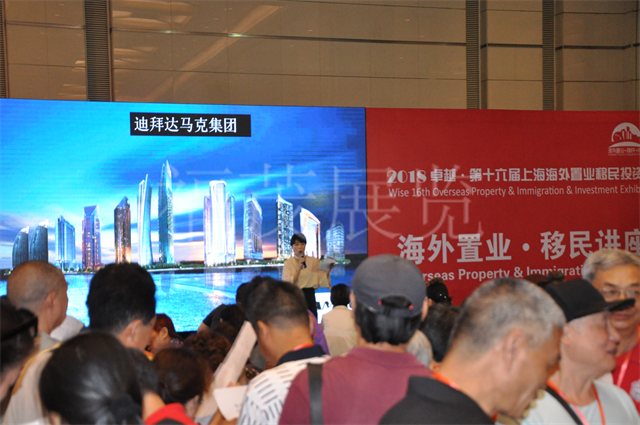
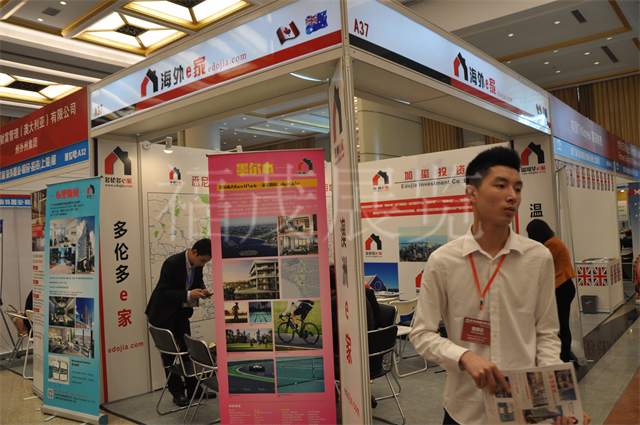
In recent years, overseas real estate markets have attracted increasing attention from investors. With globalization and the growing demand for diversified asset allocation, more and more Chinese investors are participating in overseas real estate markets. Overseas real estate expos have become an important platform for showcasing and exchanging information, helping investors understand the latest market dynamics and providing them with a wealth of choices. Through an analysis of several recent overseas real estate expos, we can see which countries and regions have become popular choices for investors. With China’s economic growth and the improvement of people’s living standards, more and more people are seeking ways to diversify their assets and preserve and increase their capital. Overseas real estate, especially in developed countries in Europe, America, and Asia, has gradually become the first choice for investors. By participating in overseas real estate expos, investors can obtain real-time market information, understand policy changes, market trends, and investment risks in different countries, thereby making more accurate investment decisions.Next, we will analyze the current hot spots in overseas real estate markets from several major countries and regions. A detailed market analysis will help investors better understand which countries are most popular and why they attract a large amount of foreign investment. United States: A Stable Investment Paradise The US real estate market has long been a popular choice for overseas investors, especially among Chinese investors, where the US has always held a significant position. The US real estate market boasts a relatively stable investment environment, especially in major cities like New York, Los Angeles, San Francisco, and Miami, which have consistently been key areas of focus for investors. The advantages of the US real estate market are primarily reflected in its transparent legal system and stable economic environment. The US has…
 26/01/2026
In the global asset allocation wave, overseas real estate investment, due to its characteristics such as inflation protection and stable returns, has become an important choice for high-net-worth individuals to diversify risk. From Mediterranean holiday apartments to promising new towns in Southeast Asia, the market characteristics of different countries are attracting investors with specific needs. This article will provide an in-depth analysis of the most popular overseas real estate investment destinations, revealing their core appeal and potential risks. Greece: Golden Visa Fuels Holiday Real Estate Boom As a benchmark for European tourism real estate, Greece continues to attract global investors with its “€250,000 real estate investment immigration” policy. Small apartments in areas such as Crete and the Ionian Islands have become new investment favorites, with 60-70 square meter two-bedroom projects becoming popular choices on short-term rental platforms due to stable rental returns and high resale liquidity. More notably, the Greek government allows real estate investments of HKD 50 million or more to be included in the immigration asset category. This dual allocation model of “residency + assets” is attracting more and more Asian investors. Portugal: A Blend of Cultural Heritage and Policy Advantages Historic cities like Lisbon and Porto not only boast World Heritage sites but are also popular destinations for European immigrants due to their “Golden Visa” policy. Investors can obtain residency by purchasing property worth €500,000, and can freely dispose of the property after five years. Market data shows that high-end residential prices in Portugal have risen by over 30% compared to previous years. Buyers from the Netherlands and Germany tend to choose well-equipped holiday villas, while short-term investors focus on apartment projects in emerging areas like Coimbra, where rental yields are generally higher than in the capital region. Australia: A Stable Market and Demand for…
 24/01/2026
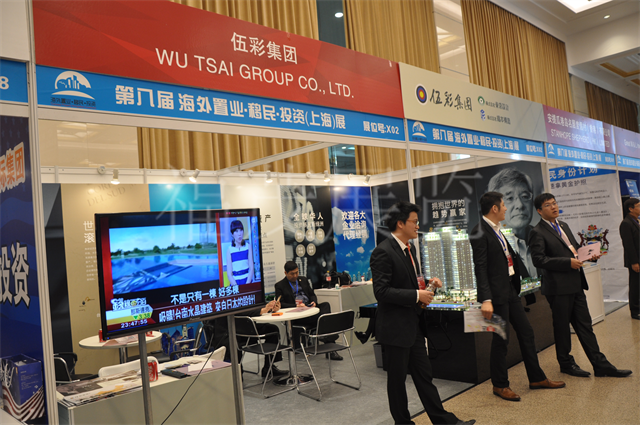
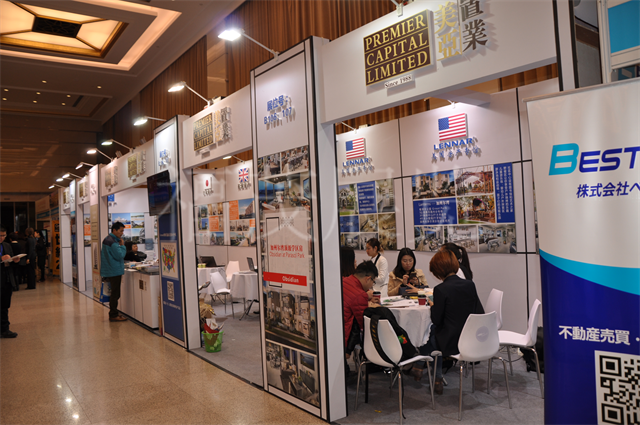
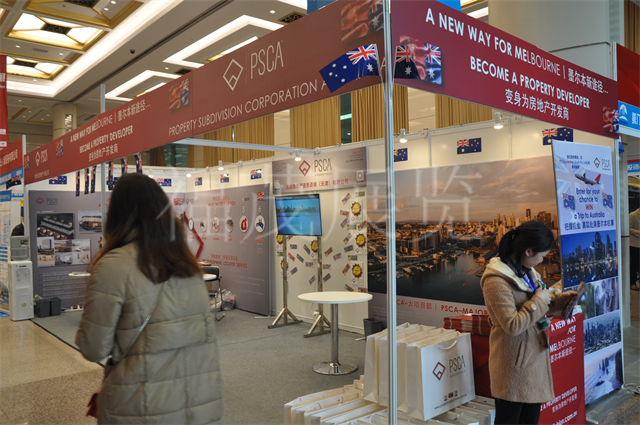
The real estate market is influenced by multiple factors, including the economic environment, policy regulations, consumer demand, and market supply. In today’s globalized and information-driven world, overseas real estate exhibitions have become an important platform for understanding and grasping market dynamics. Through these exhibitions, exhibitors can not only access the latest market information but also engage in in-depth exchanges with industry experts, developers, and investors, gaining valuable market insights. The Role of Exhibitions Overseas real estate exhibitions are important exchange platforms for the global real estate industry. By participating, industry professionals can obtain firsthand market information, industry trends, and policy changes. The scale and influence of the exhibition directly affect the exhibitors’ gains. Generally, exhibitions are divided into local and international exhibitions, with the latter providing more resources and information from cross-border markets. Exhibitors can learn about the market strategies and development trends of companies or investors from different countries by exchanging ideas. Furthermore, exhibitions provide exhibitors with an opportunity to showcase themselves and expand their networks. For real estate developers, investors, and sales companies, exhibitions are not only a platform to showcase projects but also an opportunity to attract potential clients and partners. By interacting with participants from diverse backgrounds, one can gain a comprehensive understanding of changes in the global real estate market, enabling more forward-looking decision-making. How to Understand Market Dynamics Through Trade Shows? Focus on the Trade Show Theme and Participants Each trade show typically has a central theme, revolving around current market hotspots. Exhibitors can learn about the trade show’s focus areas from promotional materials, lecture topics, and the backgrounds of exhibitors. For example, some trade shows may focus on the residential real estate market, while others may emphasize commercial real estate or green building. Understanding the main content of the trade…
 24/01/2026
Imagine owning a property in a foreign country, enjoying rental income while passively waiting for asset appreciation, and even achieving a “property-for-property” wealth cycle through clever management—this is not an unattainable dream. With the acceleration of globalization, overseas real estate investment has become an important asset allocation option for high-net-worth individuals. However, the returns on real estate vary significantly across different countries, cities, and even neighborhoods. How can investors avoid the “inefficiency trap” and accurately target high-return projects? This article will reveal the “golden code” to high-return overseas real estate for investors, covering market selection, strategy formulation, and risk management. Core Cities: The “Ballast” for Stable Returns Core cities with strong economic vitality are often “safe zones” for overseas real estate investment. These areas have dense populations, abundant job opportunities, strong rental demand, and significant potential for property appreciation. For example, in London, small apartments around the City of London consistently offer rental yields of 4%-6% due to convenient transportation and comprehensive amenities, with extremely low vacancy rates. Even during periods of economic volatility, properties in prime locations maintain their resilience due to their “scarcity.” Take Austin, USA, for example. As a rising star in the tech industry, the arrival of giants like Amazon and Tesla has led to a surge in population and sustained strong housing demand. Apartment rents in the area have increased by 5%-8% annually, while property prices have risen even faster, creating a dual-income model of “rent + appreciation.” The investment logic for real estate in core cities is simple and direct: choose areas with high employment density and net population inflow, and hold long-term to enjoy the city’s development dividends. Emerging Areas: Potential “Dark Horse Tracks” For those seeking higher returns, emerging areas often harbor “hidden champions.” These areas typically experience rapid population…
 23/01/2026
Dubai, a cosmopolitan city blending desert wonder with modern prosperity, is attracting global investors with its annual rental yield exceeding 6% and the advantage of freehold ownership. From the cloud-piercing views of the Burj Khalifa to the private beaches of Palm Jumeirah, Dubai’s real estate market offers diverse options for buyers with different needs. This article will systematically outline the entire home-buying process, helping you easily embark on your Middle Eastern investment journey. Precise Positioning: Property Selection Strategy Determines Investment Value When buying property in Dubai, the choice of location directly impacts the potential for asset appreciation. Freehold areas such as Downtown Dubai, Dubai Marina, and Palm Jumeirah are top investment choices due to their mature amenities and strong rental demand. For those preferring long-term capital appreciation, the off-plan market offers flexible payment options, such as Emaar’s “80/20 Plan,” which allows 80% payment during construction and the remaining balance upon delivery. For owner-occupancy, it’s crucial to examine community amenities—the parks and green spaces of Dubai Hills, the waterfront promenade of Creek Harbour, and the villa complexes of Burj Al Arab all cater to different family structures and lifestyles. Before purchasing a property, it is crucial to verify the developer’s qualifications. Choosing projects developed by leading companies like EMAAR and DAMAC can mitigate the risk of unfinished projects. When filtering properties on real estate websites, pay close attention to the functional zoning in the floor plan. Details such as whether the open-plan kitchen connects to a balcony and whether the master bedroom includes a walk-in closet directly impact living comfort and rental competitiveness. Funding Preparation: Navigating the Loan and Tax Conundrum Dubai offers foreign homebuyers loans up to 50% of the property value, but pre-approval requires proof of income, bank statements, and other documentation. For example, for a 3…
 22/01/2026
When considering investing in Singapore real estate, many people are concerned about a very real question: is the vacancy rate high? After all, a high vacancy rate means that properties are not rented out, and investment returns are difficult to guarantee. The vacancy rate is the proportion of properties on the market that are vacant and not rented out. For investors, it is an important indicator of the health of the rental market. A high vacancy rate often means that supply exceeds demand, and rents may be difficult to rise; while a low vacancy rate indicates strong rental demand, and rents are more stable or even rising. As a global financial center and a hub for international talent, Singapore’s vacancy situation varies across different property types: vacancy rates differ for residential, apartment, office, retail, and industrial properties, and are influenced by various factors such as the economic environment, supply, influx of foreign population, and market expectations. Residential Rental Market For most individual investors, the residential rental market, especially private apartments and executive condominiums, is the most frequently encountered market. Recent data indicates that the overall vacancy rate in Singapore’s private residential rental market has remained low for some time. This means that in most areas, a residential property has a greater than 90% chance of being rented out (i.e., high occupancy rate). Rental demand is particularly stable in densely populated areas or locations with convenient transportation, as expatriates, local professionals, and families working in Singapore tend to rent private residences. Although some market cycles are affected by increased supply or rent adjustments, the overall residential vacancy rate is not as high as in some other cities. Furthermore, residential rents tend to correlate with overall rental demand: with population inflows, new job creation, and a rebound in short-term rental demand, residential…
 22/01/2026
Buying a property in Singapore is not as simple as just paying the purchase price; it often involves various taxes and fees, which can be more “impressive” than the property price itself. Whether for owner-occupancy or investment, understanding these major taxes and fees is crucial for assessing the overall cost. The Singapore government uses a series of tax designs to both raise revenue for the land and housing market and attempt to regulate speculative behavior and the risk of a real estate bubble. Taxes and fees are broadly divided into three categories: transaction-related taxes and fees (such as stamp duty), holding-related taxes and fees (such as annual property tax), and taxes that may be incurred when selling the property in the future (seller’s stamp duty). Stamp Duty Payable When Buying a Property The most basic tax in the property buying process is stamp duty, a statutory tax levied by the government on real estate transactions, which must be paid within a certain period after signing the contract. Buyer’s Stamp Duty (BSD) Buyer’s Stamp Duty (BSD) is a basic stamp duty that all buyers in Singapore must pay when purchasing any type of property, including residential and commercial properties. It is calculated based on the purchase price or market value (whichever is higher) and uses a progressive tax rate: the more expensive the property, the higher the percentage of the value exceeding the upper limit. For example, current rates range from 1% to a very high 6% (for the higher-value portion). The more expensive the property, the larger the absolute amount of BSD in the total transaction cost, but it is the basic tax for all buyers, regardless of their status or whether they are foreign. Additional Buyer’s Stamp Duty (ABSD) For some buyers, in addition to BSD, an…
 22/01/2026
Singapore, a highly international city-state, has always been a focal point for global property buyers. This is not only due to its excellent living environment, convenient transportation, and stable security, but also because real estate has long been considered an asset that preserves and even increases value. Many expatriates, including investors, immigration applicants, or those planning long-term residency, aspire to own a home here. However, to protect housing opportunities for local residents and prevent an overheated real estate market, the Singaporean government has consistently imposed clear restrictions and tax requirements on foreign buyers. With rising property prices and increased international capital flows in recent years, Singapore’s policies have been continuously adjusted, particularly regarding taxes, property types, and approval procedures, becoming more stringent and transparent. Types of Property Foreigners Can Purchase In Singapore, foreigners are not completely prohibited from buying property; there are certain categories of properties that are explicitly permitted. The most important is private residential units, commonly known as apartments or private housing projects. Foreigners can generally purchase these units directly from the private market without special approval. This is currently the most common property type that foreign buyers encounter. Additionally, there is a type of property called “Executive Condominium,” which, while initially only open to local residents for the first few years, will “transition to private residence” after a certain period, at which point foreigners can also purchase it. Foreigners purchasing commercial properties (such as offices, shops, or industrial plants) are generally not subject to residential restrictions, but these are not considered residential properties and therefore do not fall under the category of “buying a house to live in,” but are simply an investment option. Restricted or Prohibited Property Types Compared to properties that can be purchased directly, many residential types are restricted or even prohibited for…
 22/01/2026
In the wave of globalization, overseas real estate has transformed from a niche choice to a standard asset allocation for high-net-worth individuals. Whether seeking asset preservation, children’s education, or retirement planning, buying property overseas is becoming a strategic decision for an increasing number of families. Why does overseas real estate attract global investors? Its core value lies not only in the property itself, but also in the diverse possibilities it represents for wealth, education, and lifestyle. Asset Preservation: Diversifying Risk and a “Safety Cushion” Against Inflation The domestic real estate market is heavily influenced by policy regulations, while overseas real estate markets, due to differences in legal systems and economic cycles, often exhibit low correlation with the domestic market. For example, the real estate markets in Europe and the United States are driven by monetary policy and population flows, while the Southeast Asian market remains vibrant due to the development of tourism and emerging industries. By allocating assets to overseas real estate, investors can diversify their assets across different economies, reducing the risk of fluctuations in a single market. More importantly, overseas real estate possesses a natural “anti-inflation” attribute. Taking developed countries like Australia and Canada as examples, their property prices have long been linked to GDP growth and residents’ income growth, with core city property prices showing a stable annual increase of 5%-8%. Even during economic downturns, real estate, as a tangible asset, often outperforms financial products like stocks and bonds, serving as a “ballast” for family wealth. Educational Benefits: Paving the Way for Children’s Global Education For families with children’s educational needs, overseas real estate is not just a residence, but also a “stepping stone” to education. Many countries offer educational incentives for real estate investors’ children: for example, purchasing property in Portugal can grant residency,…
 21/01/2026
In the wave of asset diversification, global real estate investment, with its unique advantages, has become an important choice for high-net-worth individuals to preserve and grow their wealth. From risk resistance to long-term return potential, overseas real estate investment is reshaping the logic of asset allocation with multi-dimensional value, opening a door to global wealth management for investors. A “Safe Anchor” for Asset Hedging When the domestic market fluctuates due to policy adjustments or economic cycles, the independence of overseas real estate becomes prominent. Taking the United States as an example, its mature market mechanisms and legal system build a risk-resistant barrier, ensuring that even during periods of global economic turmoil, properties in core cities can maintain stable value. Australia’s freehold system further empowers investors to weather economic cycles; the scarcity of land resources and continuous population inflow provide dual support, making real estate a “hard currency” against inflation. This cross-regional allocation effectively diversifies the risk of a single market, preventing significant asset depreciation due to localized crises. A “Dual Engine” of Cash Flow and Appreciation The income model of overseas real estate breaks through the limitations of traditional investment, forming a compound growth system of rental income and asset appreciation. In densely populated areas like the City of London and Shinjuku, Tokyo, the annual rental yield for prime properties is generally stable at 4%-6%, with rental terms automatically adjusted for inflation. Meanwhile, emerging markets such as Bangkok and Phuket in Southeast Asia, driven by booming tourism and urbanization, have seen property prices rise by 10%-15% annually. This “rental income on one hand, capital appreciation on the other” model provides investors with a dual guarantee of continuous cash flow and long-term capital gains. The “Hidden Leverage” of Tax Optimization Differences in tax policies for overseas investors across countries…
20/01/2026
In the wave of globalization, overseas property purchases have become a new asset allocation option for many. However, cross-border remittances involve multiple challenges, including foreign exchange controls, fund security, and compliance. Careless actions can lead to frozen funds, legal risks, and even financial losses. How can you efficiently and safely transfer funds to overseas accounts? Based on real-world cases and policy requirements, the following outlines practical pathways for overseas property remittances, helping you avoid common pitfalls and successfully complete asset transfers. Utilize Personal Quotas and Assistance from Relatives to Reduce Risk Through Phased Transactions. China’s foreign exchange management regulations stipulate that each person has an annual foreign exchange purchase quota of US$50,000. If the need for funds for property purchases is substantial, remittances can be made in phases through the quota of immediate family members (such as spouses or parents). For example, a couple needing to remit US$300,000 can do so in six installments of US$50,000 each, ensuring that the funds are used in accordance with the property purchase contract. It is important to note that if non-immediate family members assist, the RMB must be transferred to their account so they can purchase the foreign exchange in their own name to avoid suspicion of “split foreign exchange transactions.” If you are placed on the State Administration of Foreign Exchange’s “watch list,” your future foreign exchange purchase eligibility may be restricted, and you may even face fines. Planning your spending limits wisely and communicating with relatives in advance to prepare necessary documents are the first steps in mitigating risks. Leveraging cross-border banking services simplifies processes and improves efficiency. Large banks (such as Bank of China and ICBC) offer “domestic-overseas linkage” services through their overseas branches, significantly simplifying the remittance process. Homebuyers only need to submit their purchase contract, proof of…
 Number
Call Now:
139 1723 4508
 WeChat
 Form
FormBook Your Booth
Complete your information immediately and provide you with exclusive services!
Back to Top

