
-
Whatsapp
+1 689 248 1956 -
Email
joannewong0817@gmail.com

 18/03/2026
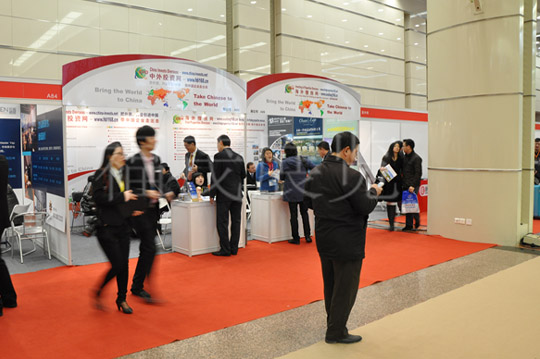
在全球市场一体化程度日益加深的背景下,企业间的合作方式日趋多元化和开放。海外房地产展会正日益受到重视,它不仅是项目展示的平台,也为不同利益相关方提供了便捷的对接渠道。通过汇聚优质资源、促进面对面交流,参展商能够更直接地了解彼此的需求,从而推动合作。与传统渠道相比,这种高效的对接方式更具针对性,也更有可能取得切实成果。 资源集中使合作更容易 海外房地产展会整合分散资源,使合作机会更加清晰可见。 多方利益相关者沟通:开发商、分销商和投资者可以在同一空间进行沟通,减少中间商造成的信息损失。 提高合作匹配效率:现场沟通可以快速识别合适的合作伙伴。 资源的集中呈现将合作从搜索转变为选择,使过程更加高效。 面对面交流增强合作潜力 直接沟通在商业合作中具有无可替代的优势,有助于建立关系。 更直观、更深入的沟通:现场交流可以及时解答问题,明确合作意向。 更短的决策周期:减少重复沟通所花费的时间,有助于更顺畅的合作。 这种高效的互动使得将合作机会转化为具体行动变得更加容易。 信息透明度增强合作信心 充足的信息是合作的关键前提,而展览会可以提供更全面的参考资料。 更清晰的项目和市场信息:参展商可以获取各种信息,从而更全面地了解情况。 降低合作中的不确定性:信息透明度有助于降低风险担忧,提高合作意愿。 信息清晰,合作中更容易达成共识。 品牌展示巩固合作基础 展现企业形象和实力对建立合作关系具有重要影响。 提升企业信誉:展现自身优势能让合作伙伴更容易建立信任。 增强品牌知名度:持续曝光可以加深印象,并为合作创造条件。 良好的品牌展示能够为商业合作提供稳定的支持。 多元化机遇拓展合作空间 展览会将不同背景的参与者聚集在一起,创造更多合作的可能性。 联系更多潜在合作伙伴:在短时间内建立广泛的联系并拓展合作渠道。 探索新的合作方向:交流可以发现更多潜在的合作模式。 多元化的机会使商业合作更加灵活和可扩展。 海外房地产展会具有资源整合、信息交流和沟通效率方面的显著优势,能够有效促进企业合作。在这样的环境下,企业可以更快地建立联系,更深入地了解潜在合作伙伴,从而减少不必要的试错过程。通过持续参与和经验积累,合作关系能够逐步从短期联系转向长期发展。同时,展会提供的多元化机遇也为企业选择合作路径提供了更大的灵活性。在当今跨境合作日益频繁的背景下,这一高效平台的价值将持续凸显,为企业合作提供更加稳定灵活的支持。
 17/03/2026
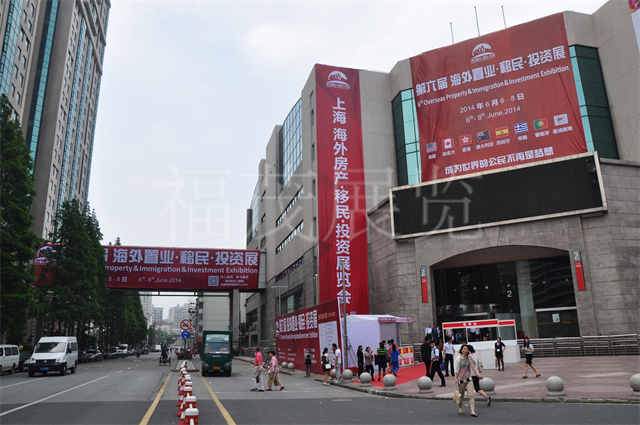
Against the backdrop of increasingly frequent cross-border investment and global resource flows, cooperation models in the real estate industry are constantly expanding. Overseas real estate exhibitions are gradually becoming an important window for enterprises to explore international markets. They not only serve as project showcases but also build efficient communication bridges for various stakeholders. On such platforms, developers, distributors, and investors from different countries and regions can directly exchange ideas and quickly establish connections. Compared to traditional methods, this centralized form of communication is more efficient and facilitates actual cooperation. By continuously optimizing the display and matchmaking mechanisms, exhibitions are becoming an important vehicle for promoting business cooperation, allowing enterprises to find development opportunities in a broader market environment and making cooperation paths clearer. Centralized Resource Matching Facilitates Cooperation Overseas real estate exhibitions provide a concentrated opportunity for various resources to be showcased, making cooperation easier to achieve. Multi-type Resources Converge: Developers, agencies, and investors appear on the same platform, reducing the time cost of finding partners. Efficient Communication Speeds Up Cooperation: Face-to-face communication can quickly clarify needs and cooperation directions, helping to advance the cooperation process. Through the centralized integration of resources, the process from initial contact to final implementation of cooperation is effectively shortened. Increased Project Exposure Drives Business Opportunities Exhibitions provide projects with broader display channels, allowing more potential partners to learn about relevant information. Expanding Project Influence: On-site displays and promotions can garner more attention and recognition for projects. Attracting Diverse Partners: The participation of different types of visitors creates more cooperation possibilities for projects. Increased project exposure leads to more business cooperation opportunities. Strengthening Trust and Facilitating Cooperation Implementation Business cooperation relies on trust, and exhibitions have a unique advantage in this regard. Authentic Displays Enhance Credibility: On-site displays allow partners to…
 17/03/2026
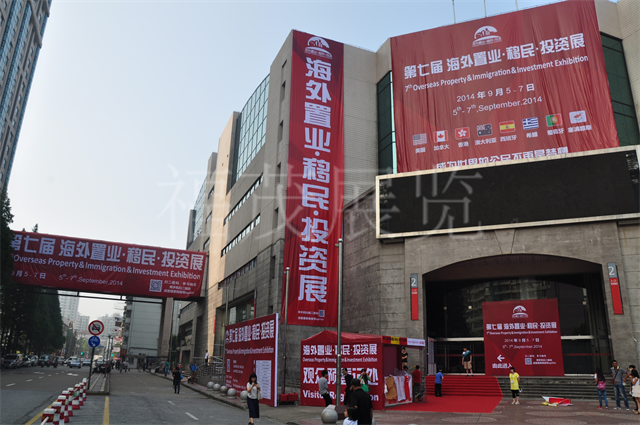
In the context of continuous globalization, cooperation in the real estate industry is no longer limited to a single region. More and more companies are focusing on overseas markets, hoping to find cooperation opportunities through broader platforms. Overseas real estate exhibitions play a vital role in meeting this demand. They are not only windows for project display but also important bridges connecting resources from different countries. By showcasing various high-quality real estate projects and services in a concentrated manner, participating parties can achieve efficient communication in the same space, thereby promoting the establishment of cooperative relationships. For companies, these exhibitions not only help expand markets but also provide opportunities to acquire more industry information through exchanges, making their development direction clearer. Concentrated Resource Display Improves Matchmaking Efficiency Overseas real estate exhibitions bring together projects and companies from different regions, providing a good foundation for cooperation. Multiple Resources Presented on One Platform: Developers, investors, and service providers can exchange information in the same setting, reducing the time cost of information acquisition. Face-to-Face Communication is More Efficient: On-site exchanges can quickly build trust and are more conducive to a deeper understanding of cooperation needs. By concentrating resources, cooperation opportunities become clearer, and communication becomes smoother. Facilitating Cross-Regional Information Exchange Information sharing is crucial for international cooperation, and exhibitions serve as an important channel for achieving this. Understanding Different Market Characteristics: Exhibitors can obtain relevant information on market environments and project situations in various regions through exchanges. Enhancing Decision-Making Value: Abundant information sources help in making more comprehensive judgments before cooperation. Strengthening information exchange makes cooperation more rational and feasible. Strengthening Brand Trust and Cooperation Foundation Trust is an important prerequisite in international cooperation, and exhibitions can strengthen this to a certain extent. Showcasing Corporate Strength and Project Advantages:…
 14/03/2026
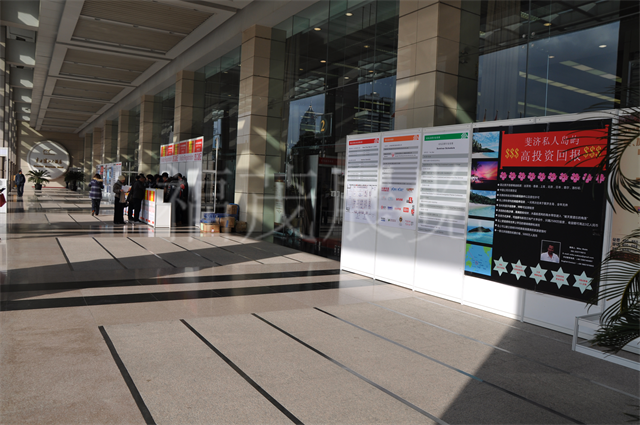
As global real estate markets continue to develop, more investors are paying attention to overseas property investment. Compared with concentrating assets in a single region, overseas real estate can help diversify investment risks while offering potential rental income and long-term asset appreciation. However, because cross-border property investment involves legal systems, transaction procedures, and financial arrangements in different countries, it usually follows a structured process. Understanding the overall investment procedure in advance can help investors plan each step more clearly and reduce uncertainties during the process. Many investors also attend real estate exhibitions or investment expos to learn about international property projects and investment procedures before making decisions. Market research and project selection before investing Before entering an overseas real estate market, investors need to conduct thorough research and carefully select potential projects. The main goal of this stage is to understand the real estate environment of the target country and determine the most suitable investment direction. Define investment goals: Investors should clarify whether the purpose is asset diversification, rental income, long-term appreciation, or future personal use, as this will influence the type and location of the property. Study national and city markets: Understanding the economic conditions, population movement, and property market trends of the target country helps evaluate long-term investment potential. Evaluate specific real estate projects: Consider factors such as property location, transportation access, surrounding facilities, and future development plans. Review the developer’s background: Investigate the developer’s reputation and past projects to ensure the quality and reliability of the development. At this stage, investors often review market reports, consult professional advisors, or attend real estate exhibitions to compare property opportunities across different countries. Property transaction procedures and legal verification After selecting a suitable property project, investors move into the formal transaction stage. Because legal systems differ from country to…
 12/03/2026
As global economic connections continue to strengthen, more investors are paying attention to overseas real estate markets. Compared with concentrating assets in a single region, overseas property can provide more diversified investment channels and may also generate rental income and long-term asset appreciation. With the acceleration of global capital flows, overseas real estate has gradually become an important option for many families when planning their assets. Many investors also attend real estate exhibitions or investment expos to learn about property markets and opportunities in different countries, helping them identify suitable investment directions. Growing demand for global asset allocation As wealth accumulation increases and awareness of international investment expands, more investors are beginning to allocate assets globally. Risk diversification: Investing in real estate across different countries can help reduce the impact of fluctuations in a single market. Long-term asset preservation: Some international property markets are relatively stable and can help investors maintain long-term asset value. Diversified investment channels: Overseas real estate provides an alternative investment option compared with stocks or financial products. Cross-border living needs: Some investors want to own property abroad for vacation, retirement, or their children’s education. Overseas real estate market potential attracts investors Different countries and cities are at different stages of development, and some emerging cities or popular regions offer significant growth potential. Urban development driving property value: Infrastructure improvements and economic growth can stimulate real estate markets. Stable rental demand: Many international cities have strong rental markets that can generate rental income for investors. Tourism and commercial development: Tourist destinations and major business centers often attract strong property demand. Increasing global mobility: The growing movement of people across countries also supports housing demand in international cities. Many investors learn about property projects from different countries during real estate exhibitions or investment expos, allowing them to…
10/03/2026
As global asset allocation becomes increasingly important, more investors are turning their attention to overseas real estate markets. Investing in international property can help diversify assets while offering opportunities for stable rental income and long-term appreciation. However, cross-border property investment involves many factors such as policies, market conditions, capital planning, and legal systems. Without sufficient preparation, investors may face unnecessary risks. Therefore, careful preparation is essential before entering the overseas real estate market. Many investors choose to attend real estate exhibitions or investment expos to learn about projects and market opportunities in different countries before making decisions. Understanding overseas real estate markets and urban development trends Before investing in overseas property, it is important to thoroughly understand the real estate market conditions of the target country and city. Economic development stages, population structure, and urban planning can all influence the long-term value of real estate. Study local market trends, including property price changes, supply-and-demand balance, and market cycles. Pay attention to population growth and migration trends, as cities with steady population inflow usually have stronger housing demand. Understand the local rental market, including rental prices, occupancy rates, and tenant demand. Observe infrastructure development and commercial growth, which often affect future property value. Familiarity with property policies and legal systems Overseas real estate investment involves different legal frameworks and policy regulations, so understanding these systems is an essential step before investing. Confirm whether foreign investors are allowed to purchase property in the target country and whether there are eligibility restrictions. Understand the property transaction process, including contract procedures, title registration, and fund supervision mechanisms. Review local tax policies such as property taxes, transaction taxes, and long-term holding costs. Clarify property ownership structures and ownership duration to ensure the legal security of the investment. Many investors learn about these policies and…
 09/03/2026
Overseas real estate investment is receiving increasing attention in global asset allocation. Real estate markets in different countries often have varying development potential and price ranges. Many investors hope to preserve the value of their assets, generate rental income, or achieve long-term appreciation by purchasing property abroad. However, cross-border investment involves far more factors than property prices alone, and uncertainties may arise from policies, regulations, and market environments. Many investors gather information about different national markets and investment rules when attending international real estate exhibitions in order to evaluate potential risks more comprehensively. Investment Risks Caused by Differences in Market Environments The operating logic of real estate markets varies significantly from country to country. Without sufficient understanding, investors may easily misjudge potential returns. Different stages of economic development mean that property prices in some cities may grow rapidly, but this can also be accompanied by market volatility. Changes in population structure can influence housing demand; for example, cities with strong population inflows often have greater long-term potential. Urban planning and infrastructure development can have long-term effects on regional property values. The size of the local rental market and tenant demand directly affect the actual income potential of a property. Uncertainty Caused by Policy and Regulatory Changes Overseas real estate investment is often influenced by national policies, and regulatory adjustments may change investment costs or transaction methods. Some countries restrict property purchases by foreign investors, so eligibility requirements must be confirmed in advance. Property taxes, land taxes, and holding costs vary significantly between countries. Certain regions may regulate short-term rentals, property resale, or capital transfers. Policy changes may affect the investment return cycle, making long-term policy monitoring important. Legal System and Transaction Process Risks Cross-border property transactions involve different legal systems. Without a clear understanding of these rules, potential…
04/03/2026
Against the backdrop of increasingly diversified global asset allocation, overseas real estate investment has become a key focus for more and more families. What truly determines the success or failure of an investment is not just the project itself, but the appropriateness of the city selection. Different countries and cities differ significantly in economic structure, population trends, and policy environment; choosing the right city often means a more stable foundation for returns. At real estate exhibitions, investors can access projects from multiple countries and cities, but how to make a rational judgment among numerous options is a crucial question to consider before cross-border property investment. Assessing Economic Strength and Development Potential A city’s long-term economic foundation is a crucial support for the stability of real estate values. A robust industrial structure: Cities with diversified industries generally have stronger resilience to risks. Employment and income levels: Regions with ample job opportunities and stable resident incomes are more likely to generate sustained housing demand. Internationalization: Cities with a high concentration of international companies often attract immigrants and long-term rental demand. Future planning direction: Government development strategies, key industry layouts, and large-scale infrastructure projects can all influence a city’s long-term potential. After obtaining city information from real estate exhibitions, cross-validating it with macroeconomic data and publicly available planning information helps avoid focusing solely on superficial promotional materials. Population Flow and Housing Demand Analysis The core logic of real estate always revolves around “people.” Whether a city has a continuous inflow of population is a key indicator of demand stability. Population Growth Trend: Cities with a continuous net inflow have a more solid foundation for housing demand. Proportion of Young Population: A high proportion of young workers usually means a more active rental market. Education and Living Resources: Areas with excellent schools, medical…
 02/03/2026
With the global trend towards asset diversification, more and more investors are focusing on overseas real estate markets. Compared to domestic property purchases, cross-border property investment involves more complex processes and rules. From project selection and funding arrangements to legal compliance and post-investment management, each step is crucial to the success or failure of the investment. Many people learn about projects in different countries through real estate exhibitions, but a clear understanding of the entire process is still necessary when actually implementing the investment. Mastering the key steps of overseas real estate investment helps improve efficiency, reduce risks, and make cross-border asset allocation more stable. Preliminary Research and Project Selection Before making a formal investment, thorough research is an indispensable step. Different countries vary significantly in terms of economic environment, policy stability, and market maturity. Choosing a market that suits one’s own goals is particularly important. Define your investment goals: Differentiate whether you are pursuing asset appreciation, rental income, or considering residency and education planning. Different goals determine different market choices. Compare the fundamentals of countries and cities: Analyze economic growth, population flow, and industrial development trends to assess long-term potential. On-site or online project inspection: Obtain information through real estate exhibitions or project briefings, and combine this with independent research for screening. Assess developer and project qualifications: Review historical project performance and credit records to reduce development risks. The core of this stage lies in information integration and judgment, not hasty decisions. Funding Arrangements and Transaction Process After identifying the target project, the actual transaction stage begins. Overseas real estate transaction processes differ significantly from those in the domestic market, requiring prior understanding of the requirements at each stage. Funding preparation and remittance arrangements: Confirm the proportion of the purchase price, payment schedule, and cross-border fund compliance procedures….
 27/02/2026
Against the backdrop of deepening global asset allocation, overseas real estate investment has become a key topic of concern for many high-net-worth individuals. Whether at real estate exhibitions or investment expos, the question of “Are overseas real estate returns high?” is consistently raised. Some value stable rental income, others anticipate asset appreciation, and still others view it as a long-term asset preservation tool. Given the differences in market environments and policies across countries, the true returns of overseas real estate require rational analysis from multiple perspectives. Market Growth Potential and Asset Appreciation Potential To determine whether overseas real estate investment returns are ideal, the first step is to examine the long-term growth potential of the target market and regional development trends. Economic and Population Growth Drivers: Cities with stable economic growth and continuous population inflows often provide long-term demand support for real estate. Differences in City Development Stages: Emerging cities in a growth phase may have greater appreciation potential, while mature markets tend to favor steady growth. Infrastructure and Planning Advantages: Transportation construction, improved commercial facilities, and government development plans all contribute to driving up property values. Supply and demand affect prices: Areas with limited supply and strong demand are more likely to see price increases. Under sound fundamentals, overseas real estate can indeed bring considerable asset appreciation, but returns are often based on long-term holding and proper location selection. Rental Income and Cash Flow Performance Besides price appreciation expectations, many investors are more concerned about rental yield and cash flow stability. Rental Market Maturity: Markets with stable rental demand and well-established management systems are more conducive to achieving continuous rental income. Significant Differences in Returns: Rental yields vary considerably across different countries and cities, requiring a comprehensive assessment considering both property prices and rental levels. Holding Costs: Taxes,…
 25/02/2026
In today’s increasingly globalized asset allocation landscape, more and more high-net-worth individuals, business owners, and cross-border families are focusing on overseas real estate investment. In the past, people purchased overseas real estate primarily for reasons of residence, education, or asset preservation. However, with the increasing transparency of international tax rules, the implementation of the CRS information exchange mechanism, and the emergence of differences in tax burdens between domestic and international markets, the function of overseas real estate has evolved from a single investment tool to a comprehensive tax planning vehicle. Properly allocating overseas real estate can not only diversify asset risk and hedge against exchange rate fluctuations, but also optimize the burden of personal income tax, corporate income tax, inheritance tax, and capital gains tax, all within legal and compliant boundaries. Tax planning is not simply “tax avoidance,” but rather, within the bounds of the law, achieving a balance between minimizing tax burdens and maximizing cash flow through arrangements of ownership and timing. Overseas real estate, with its strong tangible asset attributes, stable valuation, and relatively clear policies, is naturally suited as a core element in tax planning. Whether held through a company, a trust structure, or through immigration planning and residency arrangements, overseas real estate can serve as a bridge connecting tax system differences. Tax Rate Differences Different countries have significantly different standards for levying property-related taxes. Some countries have no property tax or extremely low tax rates, while others offer long-term tax exemptions. For example, some countries do not levy capital gains tax or have low holding taxes. Investors can effectively reduce long-term holding costs by holding property in low-tax jurisdictions. From a planning perspective, allocating major assets in low-tax jurisdictions is equivalent to a natural “tax reduction.” Long-term rental or transfer results in a higher overall…
 25/02/2026
With the increasing popularity of global asset allocation concepts, more and more families and investors are turning their attention to overseas real estate markets. Whether for children’s education, immigration, asset preservation, or seeking higher rental returns and long-term appreciation potential, overseas property purchases have become an important part of cross-border investment. However, compared to domestic property transactions, overseas property purchases involve completely different legal systems, property rights structures, transaction processes, and regulatory environments. Language differences, cultural differences, and asymmetric legal information often put buyers at a disadvantage. Ignoring key risk points can lead to issues ranging from affecting the use of property rights and realizing returns to serious consequences such as financial losses, property disputes, and even protracted litigation. More importantly, different countries have different restrictions on foreign investors. Some countries have strict regulations on land holding, foreign investment ratios, tax declarations, and even the source of funds. Without professional legal and compliance awareness, relying solely on intermediaries or developers can easily lead to risks such as “contract traps,” “defective property rights,” or “policy violations.” Therefore, risk prevention should precede investment decisions in the overseas property purchase process. Through preliminary investigation, professional consultation, standardized transactions, and ongoing compliance management, legal risks can be minimized, truly achieving asset security and stable returns. Understanding Local Regulations Before formally viewing properties or signing contracts, it’s crucial to research the real estate legal framework of the target country. Each country has different regulations regarding foreign home purchase qualifications, land ownership forms, and transaction approval procedures. Some countries allow freehold ownership, while others only offer long-term leasehold ownership. Without prior understanding, you may end up buying a property with a limited lease term. It’s recommended to consult official regulations or local lawyers, rather than simply relying on sales pitches. Mastering basic legal…
 Number
Call Now:
139 1723 4508
 WeChat
 Form
FormBook Your Booth
Complete your information immediately and provide you with exclusive services!
Back to Top

