
-
Whatsapp
+1 689 248 1956 -
Email
joannewong0817@gmail.com

 25/11/2025
In 2025, as the global education landscape undergoes rapid restructuring, study abroad policies are experiencing profound changes. From the US reintroducing standardized tests to the UK tightening post-graduation visas, from Singapore expanding enrollment to Japan easing employment restrictions, policy adjustments in various countries reflect both changes in the international situation and strategic considerations regarding talent competition. This article will analyze global study abroad trends based on the latest policy developments, providing decision-making references for applicants. The US: Increased Academic Thresholds, a Bountiful Period for STEM Fields In 2025, US study abroad policies exhibit a dual characteristic of “tightening and easing.” Top universities such as Harvard, Yale, and MIT have fully reinstated SAT/ACT standardized test requirements, marking a new stage in academic competition. Data shows that among the top 50 US universities, 86% of admitted students have a GPA above 85, and nearly 60% have an IELTS score of 7 or higher, making language and academic performance hard requirements. At the same time, STEM majors are benefiting from policy dividends: the OPT internship period has been extended to 36 months, the visa process has been simplified, and online application platforms allow for one-stop completion of material uploads and payments. However, it’s important to note that scrutiny of sensitive majors is becoming stricter, with applicants in fields like AI and biotechnology facing more rigorous background checks. UK: Rising Costs, Visa Policies Mixed Adjustments to UK study abroad policies directly address economic and immigration control. From November 2025, the monthly living allowance in London will increase from £1334 to £1529, and outside London, it will rise to £1171. Tuition fees will increase by an average of 3%-5% annually. The Graduate Route visa period will be shortened to 18 months, while the three-year period for PhD graduates will remain. Notably, the UK government had…
 25/11/2025
Amidst the bustling atmosphere of the study abroad expo, booths were packed with people, and admissions officers were surrounded. How can you quickly bridge the information gap and leave a lasting impression on admissions officers? This seemingly simple conversation is actually a golden opportunity for applicants to showcase their strengths and obtain key information. Mastering the following communication skills will allow you to stand out among numerous inquirers and significantly boost your study abroad application. Pre-application Preparation: Precise Positioning, Targeted Approach With numerous universities participating in the study abroad expo, blindly seeking information will only waste your energy. Research the official websites, admission brochures, and social media accounts of your target universities in advance to understand their core strengths, featured programs, admission preferences, and recent admission data. For example, if you plan to apply to business programs at UK G5 universities, you need to focus on whether the curriculum matches your career plans, whether they accept DSE results, and whether there are any additional application requirements. At the same time, based on your academic background, interests, and career goals, you should filter out “reach schools,” “matching schools,” and “safety schools,” and establish a clear priority for your inquiries. Prepare a concise and powerful self-introduction, covering academic achievements, extracurricular activities, awards, and your motivation for applying. Avoid lengthy lists; instead, showcase your personal qualities with specific examples. For instance, if you’ve participated in research projects, you could describe it as, “In the XX project, I discovered the XX phenomenon through data analysis and proposed the XX solution; the relevant results were published in the XX journal.” This “results-oriented” approach allows admissions officers to quickly grasp your core competencies. Communication Strategy: Value Output, Building Resonance When conversing with admissions officers, avoid mechanical questions or excessive self-promotion. Instead, communicate with a “value exchange”…
 25/11/2025
Immigration is a major life decision. Choosing a suitable destination not only affects the long-term development of individuals and families but also directly impacts quality of life, happiness, and future possibilities. Making this choice requires comprehensive consideration of various factors, including objective environmental factors and subjective adaptability. The following analysis from several key dimensions will help you clarify your thinking. First, economic opportunities are one of the core considerations when choosing an immigration destination. The activity of a region’s job market, the diversity of its industries, and the friendliness of its entrepreneurial environment directly determine its income level and development potential after immigration. For example, some regions may be dominated by the technology industry, suitable for technical talent; while others may rely more on traditional manufacturing or service industries. In addition, tax policies, cost of living, and housing prices are also important economic factors. High income does not necessarily equal a high quality of life; if prices and housing costs are too high, it may actually lower the actual standard of living. Therefore, it is necessary to assess whether the economic structure of the target region is a good match for one’s own professional background and skills. Second, quality of life involves all aspects of daily life. Climate, natural environment, air quality, transportation accessibility, medical resources, and educational resources are all key factors influencing quality of life. For example, a temperate maritime climate may be more suitable for people who prefer distinct seasons, while tropical regions may attract those who yearn for sunshine and beaches. The accessibility and quality of medical resources are especially crucial for families with elderly members or those suffering from chronic illnesses. In education, the quality of school teaching, curriculum design, and language environment directly impact children’s growth and development. Political stability and the legal environment…
 24/11/2025
Studying abroad is a significant turning point in many people’s lives, but to smoothly embark on this journey, thorough preparation is essential. From packing to adapting to the new environment, from academic planning to daily life, every step requires careful thought and preparation. Studying abroad is not a simple “spontaneous trip,” but a “long-term project” requiring meticulous planning. First, you need to solidify your “basic living skills.” After arriving abroad, you’ll have to take care of everyday things like eating, clothing, and accommodation. For example, learn about the local climate beforehand; pack lightweight, breathable clothing for summer and warm clothing for winter; if you have food allergies, learn to read food labels; when renting an apartment, clarify whether it’s a university dormitory or off-campus housing, how utilities and internet fees are calculated, and what hidden clauses might be in the contract. These seemingly trivial matters, if not handled properly, can directly impact your quality of life. Second, you need to adapt to the “learning pace” in advance. The teaching methods and assignment formats at foreign universities differ significantly from those in China; for example, there may be more group discussions, essay writing, and practical projects. Beforehand, familiarize yourself with the course structure and assessment methods. You can even consult with senior students to learn which courses are more challenging and require advance preparation. If your language skills are not yet proficient, practice academic English beforehand, such as how to write papers and give reports, to avoid feeling lost in class. Furthermore, “psychological adjustment” cannot be ignored. Leaving a familiar environment and facing an unfamiliar culture and language, and even the potential for loneliness, requires strong mental support. Cultivate some hobbies beforehand, such as sports, painting, or crafts. These activities can relieve stress and help you integrate into the new environment…
 24/11/2025
For international students, attending trade fairs is like opening a “treasure trove of information,” broadening their horizons and paving the way for their future studies, life, and even career development in many ways. These events bring together information resources from different countries and fields, providing international students with excellent opportunities to explore new things and accumulate experience. First, trade fairs offer a “one-stop” information platform. International students studying abroad often encounter problems such as confusion about course selection, difficulty finding internships, and unclear career paths after graduation. At trade fairs, various institutions, companies, and organizations showcase their projects, services, and resources. For example, study abroad agencies may offer more detailed course analyses and application guidance; companies may share industry trends and hiring needs; and there may even be displays of life services specifically for international students, such as housing and visa consultation. Searching for this information one by one is time-consuming and may result in missing crucial details, but at a trade fair, a simple stroll provides access to a wealth of practical information, helping international students quickly clarify their thoughts and make more informed choices. Second, trade fairs are a “social arena” for networking. International students studying abroad often find their social networks confined to their campus or small circles, but trade fairs offer a great opportunity to break down these barriers. Here, they can meet peers from different countries, industry professionals, alumni, and even potential employers. Through simple exchanges, they might meet like-minded friends or find internship or job referrals. This “face-to-face” interaction is more authentic, efficient, and builds trust more easily than online social networking. Furthermore, trade fairs can inspire future planning. Many international students may be unclear about their career direction at the beginning of their studies, but the industry trends, emerging technologies, and in-demand jobs…
 24/11/2025
Recently, many overseas returnees have found that companies’ attitudes towards them seem different than before when they return to China to look for jobs. Some feel that overseas returnees are more sought after, while others feel that the “returnee” label has lost its luster. So what is the current attitude of the job market towards overseas returnees? Let’s break it down. First, let’s talk about the positive aspects. Many companies do value the international perspective and cross-cultural communication skills of overseas returnees. For example, companies engaged in foreign trade and international cooperation need employees who can communicate smoothly with foreign clients and understand the business practices of different countries; this is where the experience of overseas returnees comes in handy. Regarding language skills, fluency in English or a less commonly spoken language is definitely a plus in international companies. There’s also the ability to live independently; overseas returnees have spent years navigating the challenges of life abroad, solving problems on their own—this ability to “handle responsibilities” is also appreciated by companies. However, companies’ expectations of overseas returnees have changed. Previously, “returning from overseas studies = high academic qualifications + high ability” might have been considered; now, they value “what they can actually do.” For example, some companies have reported that while some international students have impressive academic credentials, they lack internship experience or their internship content doesn’t match the job requirements, leading to slow learning curves. Other companies worry that international students returning to China may be unfamiliar with the work pace and corporate culture, requiring an adjustment period. More importantly, domestic university students are now equally capable; many graduates from top-tier universities (985/211) have extensive internship experience and solid skills, making them a more attractive option for companies compared to international students. Furthermore, there are regional differences. First-tier cities…
24/11/2025
Studying abroad is not a “spontaneous trip,” but a “long-term battle” requiring careful planning. The length of your planning period directly affects whether you can get your ideal offer, adapt to overseas life, and even influence your future career development. Generally speaking, you should start planning at least 1-3 years in advance, but the specific pace needs to be adjusted according to the target country, type of school, and individual circumstances. Phase 1: Laying the Foundation (2-3 years in advance) The core of this phase is “clarifying your direction.” First, you need to figure out “why you want to study abroad”—is it to improve your academic qualifications, broaden your horizons, or for immigration or employment? Different goals require different strategies for choosing a country and major. For example, if you want to work in the US, you need to focus on STEM majors and OPT policies; if you want to immigrate to Canada, you need to research the immigration policies and in-demand occupation lists of each province. Next is “choosing a country and a school.” Different countries have very different education systems. For example, a UK Master’s degree is one year, suitable for students who want to graduate quickly; a US Bachelor’s degree is four years, focusing more on general education. When choosing a school, don’t just focus on rankings; consider the program’s strength, location, and cost of living. For example, if you want to study art, the Florence Academy of Fine Arts in Italy is more suitable than a comprehensive university; if you want to study computer science, the schools around Silicon Valley in the US have more resources. Meanwhile, you need to start laying the foundation. Academic performance is a hard requirement; you need to maintain a GPA above 3.0 (out of 4.0), and top schools may require…
 22/11/2025
To increase your chances of admission to your dream school, you need to work on multiple aspects, just like building a house requires a solid foundation. Your application process also requires solid foundations. This process demands both hard skills, such as academic performance and language proficiency, and soft skills, such as personal communication and planning abilities. First, academic performance is fundamental. Schools value your ability to complete your studies, so maintaining excellent undergraduate grades is crucial. If your grades fluctuate, you must explain the reasons in your application materials, such as illness, family changes, or involvement in important projects that affected your studies. Language proficiency is also critical. Whether it’s TOEFL, IELTS, or other tests, meeting the school’s score requirement is just the beginning; high scores will make you stand out in the application pool. If your score is insufficient, plan ahead for retaking the test or attending language training; don’t wait until the application deadline to panic. Preparing your application materials requires care. Your personal statement shouldn’t simply state “why I chose this school,” but rather clearly explain “why I am a good fit for this school.” You need to connect your experiences, such as internships, research, and volunteer activities, to explain how these experiences shaped your goals and why you align with the school’s ethos and academic focus. Recommendation letters should be written by people who know you well, such as your advisor or internship supervisor. They should be able to specifically point out your strengths and potential, rather than offering generalities. Before submitting your materials, double-check the format, spelling, and grammar to avoid small errors affecting your impression. Extracurricular activities are not about quantity, but depth. Schools appreciate areas you have long-term commitment to, such as ongoing community service projects, ongoing research projects, or consistent participation in…
 22/11/2025
There’s no standard answer to this question; it depends on the individual. Some people think agencies save time and effort, while others feel they can handle it themselves. The key is to clearly understand your needs and what you’re willing to invest. Let’s first talk about the advantages of using an agency. The study abroad application process is complex, from choosing schools and majors to preparing materials, writing essays, and submitting applications—each step requires careful consideration. Professional agencies are familiar with the requirements of universities in various countries and can help you avoid pitfalls. For example, some schools value extracurricular activities, while others prioritize academic performance. Agencies can recommend suitable schools based on your strengths, increasing your chances of success. Essay writing is also a skill; experienced agency consultants know how to highlight your strengths and make your application materials stand out. Furthermore, agencies can handle visa and accommodation matters, saving you the hassle of running around the process yourself. However, there are also disadvantages to using an agency. The biggest problem is the high cost, often tens or even hundreds of thousands of yuan, which not every family can afford. Moreover, the quality of agencies varies greatly; some agencies make unrealistic promises to secure contracts, and the actual results may not meet expectations. If you encounter an unreliable agency, you might end up spending money without getting anything done, which is even more frustrating. Furthermore, over-reliance on agencies can prevent you from developing your own skills, such as choosing schools and writing application essays. This allows you to better understand your interests and goals, which is more helpful for future planning. So, is applying on your own feasible? If you have good English, ample time, and are familiar with the application process, you can absolutely do it yourself. There…
 22/11/2025
For many families, studying abroad is both an opportunity to broaden their horizons and a costly investment. Countries offering the best value often strike a balance between educational quality, living costs, and future returns. The following countries, with their low tuition fees, affordable living expenses, and high-quality educational resources, are popular choices for many families. First, let’s talk about European countries. Germany is widely recognized as the “king of value for money for international students.” Public universities are almost tuition-free, with only a small semester fee required each year, and the cost of living is relatively reasonable. While cities like Berlin and Munich have slightly higher prices, student accommodation, dining options, and transportation discounts can significantly reduce expenses. Germany’s industrial, engineering, and natural science programs are world-renowned, and graduates are highly sought after in the European job market. France also attracts international students with its low tuition fees and rich cultural resources. Public university tuition fees are only a few hundred euros per year. While the cost of living in cities like Paris and Lyon is higher than in smaller towns, monthly expenses can be kept reasonable by sharing accommodation, cooking at home, and utilizing student discounts. France boasts a long history of excellence in art, design, literature, and business studies, with institutions like the École Normale Supérieure and École Polytechnique enjoying global renown. Italy offers a relatively affordable cost of education. Tuition fees at public universities are low, while living expenses vary significantly by city—Milan and Rome are more expensive, while smaller cities like Perugia and Siena are much more economical. Italy excels in classical art, architecture, and design, with institutions like the Florence Academy of Fine Arts and the Polytechnic University of Milan being dream destinations for art students. Among Asian countries, Japan and South Korea represent excellent…
 21/11/2025
In today’s era of globalization, studying abroad is no longer a privilege for a select few, but rather a crucial pathway for an increasing number of young people to broaden their horizons and enhance themselves. When people stand at a crossroads in their lives and face the choice of studying abroad, how can they understand its deeper value? And how can they leverage platforms like study abroad expos to accurately connect with high-quality global educational resources? These are questions that every student aspiring to international development should ponder. Studying abroad is, in essence, a profound journey of self-cultivation that transcends geography and culture. It is not merely a process of obtaining an overseas degree, but also an expansion of cognitive boundaries and a transformation of thinking patterns. In a foreign land, international students are immersed in entirely new educational systems and social contexts, encountering different historical traditions, social values, and academic philosophies. This collision of diverse cultures prompts them to break free from established thought patterns, learn to analyze problems from different perspectives, and cultivate critical thinking and an independent spirit of inquiry. For example, in classroom discussions, students from all over the world present their viewpoints with their respective cultural backgrounds. This clash of ideas often breaks down existing cognitive limitations, revealing that the world is not interpreted in only one way. This shift in thinking will become one of the most valuable assets for international students in their future careers. Studying abroad is also a comprehensive forging of personal abilities. Leaving familiar family and friends, international students must face various challenges independently: from daily chores like signing rental agreements and paying utility bills, to dealing with language barriers, solving academic problems, and handling unexpected illnesses or emergencies. Every experience of solving problems independently enhances self-reliance and adaptability. In…
 19/11/2025
Driven by globalization, more and more children are choosing to study abroad to pursue broader knowledge and diverse cultural experiences. However, far from home and familiar surroundings, children are alone in a foreign country, making safety a primary concern for parents. To ensure children can study with peace of mind and grow healthily, the following key points regarding safety during their studies abroad must be kept in mind. Accommodation Safety: Creating a Warm and Safe Home Accommodation is a crucial foundation for children’s lives overseas, making the selection of a safe and reliable living environment paramount. If choosing school dormitories, familiarize yourself with the dormitory’s management regulations and security facilities in advance, such as the completeness of the access control system and the comprehensiveness of surveillance coverage. After moving in, familiarize yourself with the location of emergency exits and how to use fire extinguishers. If choosing off-campus rentals, carefully select your accommodation. Prioritize areas with good security and convenient transportation, avoiding remote or unsafe locations. Before signing a rental agreement, thoroughly inspect all facilities in the property, ensuring doors and windows are secure and water and electricity are safe. Maintain good communication with the landlord, clearly defining the rights and obligations of both parties. After checking in, please take good care of your personal belongings. Do not leave valuables in conspicuous places, and remember to lock doors and windows when leaving. Travel Safety: Smooth Travel Abroad Travel safety is an important aspect that cannot be ignored during your studies abroad. Before traveling, familiarize yourself with local traffic rules and travel customs. Traffic rules may vary from region to region; knowing and abiding by the rules can effectively reduce the probability of accidents. If choosing public transportation, wait at designated stops, maintain order, and avoid crowding and pushing. When taking a…
 17/11/2025
For study abroad agencies, participating in the 2026 Wise·Shanghai Overseas Property, Immigration and Study Abroad Exhibition is an excellent opportunity to directly reach target customers and expand their business. This three-day exhibition brings together a large number of families with overseas education needs, individuals interested in immigration and overseas property, and industry professionals focused on international education. By participating, study abroad agencies can quickly build brand awareness and allow more potential clients to understand their service features and advantages. During the exhibition, study abroad agencies can engage in in-depth, face-to-face communication with target clients. This interactive format is far more direct and effective than online promotion—parents and students can consult on study abroad planning details on-site, and agencies can more accurately grasp client needs. For example, for different needs such as early-age study abroad, undergraduate applications, and postgraduate programs, agencies can showcase successful cases and provide customized solutions on-site, enhancing client trust. At the same time, the concentrated flow of people at the exhibition can significantly improve the agency’s customer acquisition efficiency, accumulating a large number of potential clients in a short period of time. This exhibition also integrates resources from related fields such as overseas real estate and immigration, providing study abroad agencies with opportunities for cross-industry collaboration. Many families, when planning their children’s education abroad, often consider overseas residency and real estate investment simultaneously. Agencies can leverage this opportunity to connect with immigration consultants and real estate agents, forming a bundled service model of “study abroad + immigration + real estate,” meeting clients’ one-stop needs and enhancing their service value. This cross-industry collaboration not only expands business scope but also strengthens customer loyalty, forming a long-term, stable client base. Furthermore, the industry forums and special lectures held concurrently with the exhibition allow study abroad agencies to stay abreast…
 17/11/2025
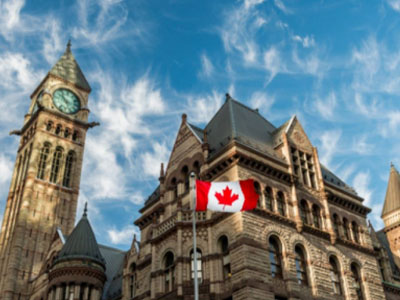
Canada, with its excellent education system, diverse cultural atmosphere, and open immigration policies, has become one of the world’s most popular study destinations. Its higher education system is renowned for its high standards. Of the nearly 300 post-secondary institutions nationwide, over 90 public universities are known for their rigorous academic standards and innovative research, such as McGill University and the University of Toronto. Their degrees are widely recognized globally, providing international students with a solid academic foundation and career development guarantees. Compared to traditional study abroad destinations, Canada offers a significant cost advantage, with tuition and living costs approximately half that of the UK and the US, making it highly attractive to families with limited budgets. Furthermore, Canada allows international students to work 20 hours per week. This policy not only alleviates financial pressure but also allows students to improve their language skills through practical experience, adapt to the North American work environment in advance, and achieve dual integration into academic and professional life. The flexibility of the Canadian education system is reflected in its diverse range of levels and majors. From undergraduate to graduate preparatory programs, many institutions offer bridging courses for students with insufficient language proficiency, helping them quickly adapt to academic requirements. The transfer credit system allows students to flexibly switch between different institutions, such as from college to university, or to take courses across provinces. This mechanism greatly broadens the range of academic pathways available. Medical doctoral universities, such as the University of British Columbia and Queen’s University, excel in fields like biomedicine and engineering, while McMaster University is known for its health sciences, and the University of Alberta has a significant advantage in energy research. This diversity of specializations ensures that every student can find a field that matches their interests and career plans. Immigration…
 17/11/2025
As a global leader in education, the United States remains the top choice for Chinese and international students seeking advanced studies. Its advantages lie in several dimensions: world-leading education quality, with numerous top universities like Harvard and MIT boasting world-class faculty and research resources, resulting in highly valued degrees with broad international recognition; a diverse and abundant scholarship system covering undergraduate to graduate levels, encompassing academic, research, and artistic fields, with some scholarships even covering full tuition and living expenses; ample legal work opportunities, including on-campus positions such as library assistants and teaching assistants, and off-campus internships such as corporate project collaborations, earning between $2,000 and $10,000 annually, alleviating financial pressure while gaining practical experience; relatively flexible financial guarantee requirements, with visa policies focusing on assessing students’ academic ability and financial sustainability rather than simply emphasizing the length of time deposited funds; and broad employment prospects, with graduates able to apply for OPT (Optional Practical Training) professional internships to gain work experience, and the US’s open immigration policy providing possibilities for long-term development. These factors collectively constitute the core appeal of studying in the US. The US higher education structure exhibits a clear hierarchical structure. Undergraduate studies are divided into two-year community colleges and four-year universities. Community colleges offer associate degrees with lower tuition fees and smaller class sizes. Students can transfer credits to four-year universities to complete their bachelor’s degrees, forming a “2+2” pathway. Four-year universities directly award bachelor’s degrees, with courses covering general education and specialized studies. Some universities implement a “general education + major selection” model to cultivate students’ comprehensive qualities and interdisciplinary abilities. Graduate studies include master’s and doctoral programs. Master’s degrees typically take 1-2 years to complete, with some programs, such as MBAs, emphasizing practical experience and requiring applicants to have relevant work experience. Doctoral…
 17/11/2025
On November 14, 2025, the Consular Department of the Ministry of Foreign Affairs of China and the Chinese Embassy and Consulates in Japan simultaneously issued an important security alert, explicitly advising Chinese citizens to avoid traveling to Japan in the near future. The risks of traveling to Japan have increased sharply recently, and study abroad plans need to be carefully considered. This unusually high-level warning stems from multiple overlapping risks: Japan’s social security situation continues to deteriorate, with several vicious attacks against Chinese citizens occurring this year, some of which remain unsolved; Japanese leaders have recently made provocative remarks regarding Taiwan, seriously undermining the political foundation of Sino-Japanese relations; and a large-scale resurgence of influenza has occurred, with many areas in the Tokyo metropolitan area issuing “flu alerts,” and more than 8,473 schools nationwide closed. From a political perspective, the Japanese political arena is undergoing changes unseen in 30 years. The Shigeru Ishiba cabinet was forced to dissolve due to a “black money” scandal and election losses, and the Liberal Democratic Party lost its 12-year ruling advantage, forming a “minority government.” The competition for the new prime minister is fierce, with candidates such as Sanae Takaichi and Shinjiro Koizumi having significant differences in policy direction. This political uncertainty is directly reflected in the security field—in 2023, criminal cases in Japan surged by 17% year-on-year, with new types of crimes such as street robbery and online fraud increasing fivefold. 2,011 Chinese nationals were involved in these cases, primarily related to transnational theft gangs and telecommunications fraud chains. At the social governance level, Japan’s traditional safety myth is facing severe challenges. The serial murders in Tokyo’s Shinjuku Ward and the series of attacks on young women in Aichi Prefecture exposed deep-seated problems such as the failure of community mutual aid mechanisms and…