
-
Whatsapp
+1 689 248 1956 -
Email
joannewong0817@gmail.com

 13/01/2026
Driven by the global popularization of higher education and the surge in demand for cross-border study abroad, overseas student accommodation is transforming from a niche investment into a new darling of the capital market. From smart apartments near the City of London to shared communities around the University of Sydney, these assets attract the attention of insurance funds, family offices, and individual investors due to their stable cash flow, counter-cyclical characteristics, and capital appreciation potential. However, behind their “stable” label lies a complex web of variables, including supply and demand dynamics, operational challenges, and regional differentiation. Investors need to see beyond the surface and find the answer in balancing returns and risks. The “stable” nature of student accommodation is primarily reflected in the resilience of rents supported by rigid demand. The commercialization of international education has driven the continuous growth in the number of international students worldwide. In English-speaking countries, for example, non-native students generally account for more than 20%, while university-owned accommodation coverage is less than 30%, directly creating a huge off-campus accommodation market. For instance, weekly rents for student accommodation in central London can reach over £350, with an average annual increase of 4%-6%, far exceeding the growth rate of ordinary residential rents. More importantly, students are less sensitive to rent and prioritize location and convenient amenities—apartments near subway stations, supermarkets, and libraries maintain occupancy rates above 95%, even with rents 10%-15% higher than market rates. This “rigid demand” allows student apartments to maintain stable returns during economic downturns, serving as a “safety net” for investors navigating economic cycles. Deep capital involvement further amplifies the investment value of student apartments. The accelerated deployment of private equity funds and REITs is upgrading the traditional “bedroom business” into an “experience economy.” Greystar, the largest student apartment operator in the US,…
 13/01/2026
Against the backdrop of growing global demand for asset allocation and residency planning, investment immigration has become an important pathway for many families to achieve multiple goals, including education, healthcare, and freedom of movement. However, immigration policies vary significantly across countries, with thresholds ranging from tens of thousands to millions of US dollars. Choosing the most cost-effective and manageable project is crucial. Considering the policies, costs, and application requirements of major global immigration countries, the following countries have become popular choices in the current investment immigration market due to their low thresholds, high flexibility, and clear legal support. Portugal is considered the “king of cost-effectiveness” for European immigration. Its investment immigration program, with a minimum investment of €500,000, is a preferred option for middle-class families seeking EU residency. Applicants need to invest in a government-approved fund, and the principal can be redeemed after 5 years. No long-term residency is required; only a 7-day stay per year is needed to meet the citizenship requirements. Even more attractive is the high value of the Portuguese passport, granting visa-free access to 187 countries, including major countries like the US and UK, and children can enjoy high-quality EU education resources. For families seeking “immigration without relocation,” Portugal’s relaxed policies and high degree of freedom are a perfect match. With budgets further reduced, the Greek real estate investment immigration program, which initially attracted many investors with its low threshold of €250,000, has seen prices rise to €500,000 in some areas, while others have maintained their original price. After purchasing property, the entire family can obtain a five-year residency permit, and the property can be rented out for stable income, with rental returns of approximately 4%-6%. Greek citizenship requirements are relatively lenient; applicants only need to hold property for seven years and pass a language test,…
 13/01/2026
For many families dreaming of overseas property investment, preparing the initial capital is often the first and most crucial step. Whether for children’s education, asset allocation, or immigration, the initial capital for overseas property purchase involves not only the price of the property itself but also covers taxes, agent fees, legal fees, and other expenses. So, how much initial capital is needed for overseas property purchase? This article will provide a detailed analysis from the perspectives of market characteristics, funding sources, and potential costs in different countries. The initial capital for overseas property purchase primarily depends on the property price level of the target country. Taking Southeast Asia as an example, the price of small apartments in the core area of Phnom Penh, Cambodia, is generally between $1,500 and $2,500 per square meter, with a 50-80 square meter apartment costing approximately $75,000 to $200,000. In Greece, the minimum investment threshold for “commercial-to-residential conversion” projects under the property investment immigration policy is €250,000, and permanent residency can be enjoyed for three generations of the family. In contrast, some regions of the United States’ EB-5 investment immigration program require an investment of at least $800,000 and additional conditions such as job creation. These data indicate that the initial capital required for overseas property purchases varies depending on the country, city, and project type, requiring precise allocation based on individual needs and budget. Besides the property price itself, sufficient funds must be allocated for taxes and fees when purchasing overseas property. For example, in Cambodia, foreign buyers must pay a 4% property transaction tax, along with additional expenses such as legal fees and agent fees, which typically account for 5% to 8% of the total property price. In Greece, property purchase immigration requires payment of property transfer tax, municipal tax, and legal fees,…
 12/01/2026
For many general visitors, attending trade shows is both novel and somewhat overwhelming. Trade shows are large-scale, crowded, and have densely packed booths. Without advance preparation, it’s easy to get tired halfway through, see a lot but remember nothing, or even miss truly interesting content. This is especially true for large-scale expos or industry exhibitions; after a day of walking around, not only are your legs sore, but you may also experience information overload. Actually, attending trade shows isn’t about “walking around as much as possible and seeing as much as possible,” but rather about visiting with a focus and pace. Even for general visitors, paying a little attention to key steps like registration and planning can significantly improve the experience. Register in Advance and Understand Entry Methods The first step in attending a trade show is often not arriving on-site, but registering in advance. Most trade shows now use online reservations or real-name registration, and some require obtaining e-tickets in advance. When registering, general visitors should pay attention to the opening hours, the date of their visit, and whether there are time slots for entry. Registering in advance not only avoids queuing on-site but also ensures you receive timely notifications and event schedules, providing a foundation for your subsequent planning. For popular exhibitions, the earlier you register, the better, to avoid limited spots closer to the opening date. Understand Exhibition Information and Clarify Your Visiting Purpose Before planning, take some time to understand the basics of the exhibition, such as its theme, main exhibition areas, and whether it’s geared towards professionals or the general public. Ordinary visitors don’t need to “see everything,” but rather to clarify what they most want to see: new products, technological experiences, or lifestyle displays. Having a general goal allows you to select key…
 12/01/2026
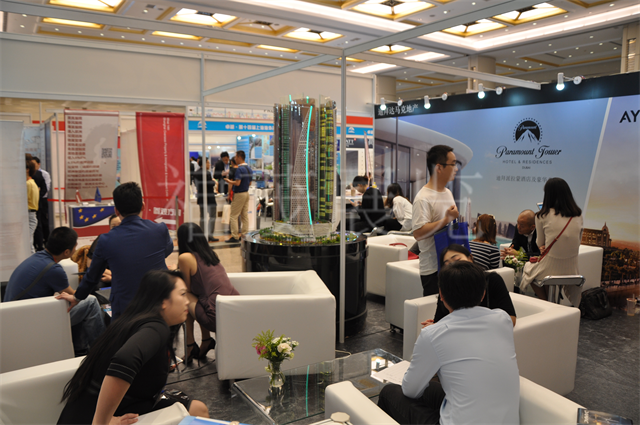
As a highly international city, Shanghai hosts various large-scale expos almost every year. Among these, the most attention-grabbing are often the comprehensive expos centered on international cooperation, trade exchange, and industry showcases. These expos are not only important platforms for companies to showcase their strengths and seek cooperation, but also increasingly become windows for the general public to understand cutting-edge technologies, international brands, and industry trends. For businesses, this is a great opportunity to expand markets and connect with resources; for visitors, it’s an experience of “seeing the world without leaving the country.” Many people are curious: What exactly is there to see at the Shanghai Expo? What are the highlights? Is it worth attending? High Internationalization and Wide Scope of Exhibitors One of the biggest highlights of the Shanghai Expo is its high level of internationalization. Companies, institutions, and brands from different countries and regions gather together, covering multiple fields such as manufacturing, services, technology, consumer goods, and cultural creativity. This diversified exhibitor structure makes the expo not only about “seeing products” but also about “seeing trends.” Whether it’s international brands or distinctive companies from emerging markets, they can all showcase their advantages on the same platform, providing visitors with a broader perspective. Exhibits Closely Connected to Daily Life, Strong Experiential Engagement Unlike traditional exhibitions that are “look but don’t touch,” the Shanghai Expo increasingly emphasizes interaction and experience. Many exhibition areas use physical displays, live demonstrations, and interactive experiences to allow visitors to intuitively experience products and technologies. From daily consumer goods to smart devices, from healthy living to green environmental protection, exhibits are often closely related to daily life, not lofty concepts, but things that “might be useful in the future,” which is a major reason for attracting a large number of ordinary visitors. Cutting-Edge…
 12/01/2026
High school graduation is a significant turning point in life. For many students, studying abroad is both an opportunity to broaden their horizons and a strategic investment in their future career development. However, with hundreds of countries and thousands of universities to choose from, how to plan a path that aligns with personal interests and maximizes the value of studying abroad has become a shared concern for students and parents. From language preparation to university selection, from application strategies to resource integration, every step requires precise planning to ensure a smoother and more successful study abroad journey. Language proficiency is a fundamental requirement for studying abroad, but the methods for improvement must be tailored to the individual. For English-speaking countries, IELTS or TOEFL scores are core application requirements, but simply “scoring high” is not the only goal. Many students find themselves stuck in a cycle of repeated testing with stagnant scores, stemming from a lack of real-world language experience. It is recommended to start in high school by participating in international exchange programs, joining English debate clubs, or watching English films and television shows without subtitles to cultivate comprehensive listening, speaking, reading, and writing skills. For non-English-speaking countries, such as Germany, France, or Japan, learning the target language in advance not only enhances application competitiveness but also clears obstacles for future studies and life. For example, German universities generally require a German language proficiency level of C1, while some prestigious Japanese universities have specific requirements for N1 scores. The adequacy of language preparation directly impacts admission results. The choice of universities and majors needs to balance interests and career orientation. Some students blindly pursue the “prestige of prestigious universities” while neglecting the suitability of their chosen major, leading to insufficient motivation after enrollment or employment difficulties after graduation. The correct…
 12/01/2026
For many families, overseas property purchases are not only an asset allocation choice but also a long-term plan for their children’s education and retirement. However, unlike the simple “one-time payment” model of domestic property purchases, overseas property purchases involve a full-cycle tax system from transaction to holding, and even slight missteps can significantly reduce investment returns. Understanding the differences in taxation across countries has become an “invisible hurdle” that overseas property buyers must overcome. Tax differences during the property purchase stage are often reflected in the transaction process. In the UK, for example, stamp duty is the first hurdle buyers must face: no stamp duty is required for properties valued below £125,000, while the excess is taxed at a tiered rate, reaching a maximum of 12%. This “higher price, higher tax” design directly increases the transaction costs of high-end properties. In Australia, different states have different stamp duty rates. New South Wales typically charges 4%-5%, with an additional 8% surcharge for overseas buyers, further increasing the cost of purchasing property for non-residents. It’s worth noting that some countries lower the threshold through preferential policies. For example, Cyprus exempts overseas buyers of properties worth over €300,000 from VAT and directly grants them permanent residency. This “tax-for-status” model has attracted a large number of immigrant investors. However, the tax burden during the holding period is more persistent. The US property tax mechanism is a typical example: tax rates vary from 0.2% to 3% across states, with some areas in New Jersey exceeding 2%. A $500,000 property would incur over $10,000 in property taxes annually. This characteristic of “the higher the property price, the heavier the tax burden” forces investors to carefully assess the balance between rental income and holding costs. Canada, on the other hand, uses a “vacancy tax” to incentivize efficient…
 12/01/2026
With the increasing demand for global asset allocation, overseas real estate investment has become an important choice for many investors to expand their wealth portfolios due to its advantages such as risk diversification and stable returns. However, cross-border investment involves different legal systems, economic environments, and cultural differences between countries. First-time investors, lacking systematic planning, are prone to falling into the trap of information asymmetry or decision-making biases. From target positioning to risk management, each step requires careful consideration to achieve steady asset appreciation. Clearly defining investment objectives is the primary task in overseas real estate investment. The characteristics of real estate markets vary significantly across different regions, and investors need to choose a suitable direction based on their own needs. If seeking rental returns, priority should be given to cities with stable population inflows and strong rental demand, such as the capital cities of some Southeast Asian countries, where the concentration of young people and the increase in foreign workers have led to an active long-term rental market and consistently low vacancy rates. If focusing on asset appreciation, attention should be paid to areas benefiting from infrastructure development in emerging economies, such as newly developed areas in some cities. With the extension of rail transit or the improvement of commercial facilities, property prices often show a rapid upward trend. Furthermore, the demand for education-related immigration has given rise to the concept of “school district housing.” Some countries allow residency through property purchase, but it’s crucial to verify policy details to avoid investment losses due to misunderstandings. In-depth market research is a key step in mitigating risk. Significant information gaps exist in overseas real estate markets, and relying solely on “average price” data provided by agents can easily lead to misjudgments. Investors need to analyze multiple dimensions to uncover the…
 10/01/2026
With increased information transparency and more convenient cross-border channels, overseas investment is no longer an exclusive field with “high barriers to entry.” Whether for asset allocation, risk diversification, or long-term planning for the family’s future, more and more people are paying attention to overseas investment. However, before actually taking action, many people have the same questions: How exactly should one begin overseas investment? Is the process complicated? What additional steps are involved compared to domestic investment? Clarifying Investment Objectives and Personal Conditions The first step in overseas investment is not choosing projects, but rather assessing oneself. Investors need to clarify their investment objectives: is it for long-term, stable asset allocation, or for pursuing short-term returns? Is it primarily for preserving capital, or are they willing to accept a certain level of risk? At the same time, they must objectively assess their own conditions, including the amount of capital they can invest, their risk tolerance, the length of time they intend to use the funds, and whether they have the patience for long-term holding. Only with clear goals and well-defined conditions will subsequent choices remain on the right track. Choosing Investment Target and Country/Region After clarifying the goals, the next step is to choose a general investment direction, such as real estate, financial products, physical projects, or other forms. Simultaneously, it is necessary to determine the target country or region. Different countries differ significantly in their policy environment, legal systems, and stages of economic development, making different investment approaches suitable for each. Investors should initially select one or two key markets to focus on, based on their own preferences and risk tolerance, rather than blindly expanding. Understanding Policies, Regulations, and Basic Rules Overseas investment involves cross-border capital flows, making policies and laws unavoidable. Investors need to understand the target…
 10/01/2026
As global economic ties become increasingly close, overseas investment is no longer an “exclusive choice” for a select few, but is gradually entering the vision of ordinary families and small and medium-sized investors. Whether it’s allocating overseas real estate, participating in overseas funds, supporting children’s education, immigration, or overseas entrepreneurship, “how to allocate funds” is always a core issue that cannot be avoided. Many people, when they hear about overseas investment, immediately think of returns and prospects, but overlook a more fundamental and crucial point: how to allocate, use, and retain the money. An unreasonable fund allocation, even if the project itself is good, may force the investment plan to be interrupted due to cash flow difficulties, exchange rate fluctuations, or unexpected expenses. Overseas investment involves long cycles, many stages, and many uncontrollable factors. Without clear financial planning in the early stages, it is easy to encounter situations where “there is not enough money” or “money is used in the wrong place.” clarify investment goals and the purpose of funds The first step in rationally allocating overseas investment funds is not choosing projects, but clarifying “why invest.” Is it for long-term asset allocation or for short-term returns? Is stability the primary goal, or can a certain degree of volatility be tolerated? Different goals require completely different fund allocation requirements. For long-term, asset-heavy investments, funds can be allocated to stable, longer-term investments, aiming for consistent returns. For short-term or project-based investments, the timeframe for capital recovery should be a primary consideration. Only by clearly defining your goals can you decide how much capital to allocate overseas, rather than blindly following trends and investing most of your savings at once. Properly Allocate Investment Funds from Living Funds Overseas investment must adhere to one principle: investment funds and living security funds must…
 10/01/2026
In discussions about investment and wealth management, the question of whether overseas real estate is more profitable remains a highly controversial topic. Some have doubled their assets through overseas property investment, while others have suffered heavy losses due to exchange rate fluctuations or policy changes. In reality, the potential returns and risks of overseas real estate investment go hand in hand. Its performance depends not only on the economic cycle and policy environment of the target market, but also on the investor’s risk tolerance and financial planning. Essentially, there is no absolute “more profitable” option; it’s simply a matter of whether it suits specific investment needs. The profit advantages of overseas real estate often manifest in specific market environments. In some emerging economies, accelerated urbanization and the release of demographic dividends have led to sustained strong real estate demand. For example, in a Southeast Asian tourist city, over the past decade, due to improved infrastructure and increased international tourism, apartment prices have risen by an average of 10% annually, with rental yields remaining stable at 5%-7%, far exceeding most cities in China. In mature markets in Europe and America, property appreciation may be relatively slower, but stable cash flow can still be provided through rental income, tax benefits, and asset preservation. A British investor’s apartment in London, despite limited price increases, still yielded an annualized return of 8% through long-term rentals and tax deductions, becoming an important supplement to retirement funds. Exchange rate fluctuations are a double-edged sword for overseas real estate investment. When the currency of the investing country appreciates against the domestic currency, asset value and rental income increase simultaneously, creating a “double benefit.” For example, a Chinese investor who purchases property in Australia may see their assets appreciate by 10% against the RMB, even if the property…
 10/01/2026
For investors with overseas properties, refinancing is becoming a key strategy for unlocking the potential value of assets and optimizing financial structure. It breaks through the limitations of traditional property holding models, transforming fixed assets into liquid capital through innovative applications of financial instruments while retaining the right to capital gains. This “win-win” approach is triggering a new round of asset allocation changes among high-net-worth individuals globally. The core value of overseas property refinancing lies in activating dormant assets. For example, in a popular tourist city in Southeast Asia, a holiday villa purchased five years ago has seen its market value increase by 40% compared to the purchase price. Through refinancing, the owner can withdraw a certain percentage of the increased value as cash, obtaining financial support without selling the property. This “value realization without transferring ownership” model preserves the long-term appreciation potential of the property while addressing short-term funding needs. A British investor used refinancing to withdraw £200,000 to renovate another investment property, resulting in a 35% increase in rental income and creating a virtuous cycle of asset appreciation. Interest rate advantages are the direct economic driver of refinancing. In a low-interest-rate environment in major economies, overseas mortgage costs are significantly lower than in China. A European bank offered refinancing rates to its high-quality clients that were 1.8 percentage points lower than the initial loan. For a loan balance of €1.5 million, this translates to annual interest savings of €27,000. More flexibly, some financial institutions allow borrowers to switch from fixed to floating rates, automatically enjoying lower costs when market interest rates decline. This dynamic interest rate adjustment mechanism optimizes the cost of funds in sync with market conditions, making it particularly suitable for interest rate-sensitive investors. The diversification of fund usage is an implicit value of refinancing. The…
 Number
Call Now:
139 1723 4508
 WeChat
 Form
FormBook Your Booth
Complete your information immediately and provide you with exclusive services!
Back to Top

