-
Whatsapp
+1 689 248 1956 -
Email
joannewong0817@gmail.com

 23/04/2026
Against the backdrop of increasingly complex real estate market information, homebuyers and investors face a growing number of choices. Significant differences exist between countries, cities, and projects, making it easy to arrive at incomplete or inaccurate judgments if relying solely on online information. Real estate exhibitions, by showcasing multiple projects in a single setting and providing opportunities for face-to-face interaction, allow participants to acquire more complete information in a unified environment. This direct and efficient approach makes exhibitions increasingly attractive for market research, enabling clearer decision-making. Information Concentration Improves Efficiency Simultaneous display of multiple projects reduces information fragmentation. Real estate exhibitions typically bring together real estate projects from different regions and types, allowing visitors to acquire a wealth of information at once. Unified Presentation Facilitates Quick Comparison: Comparing prices, locations, and amenities in the same space helps in quickly filtering for target projects. This centralized approach improves information acquisition efficiency. Face-to-Face Communication Enhances Trust Direct communication makes information more authentic. Visitors can communicate face-to-face with developers or consultants to understand project details and the true situation, reducing information bias during interaction. Asking questions on-site further clarifies project conditions and potential advantages. This communication approach strengthens the foundation of trust. Multi-dimensional comparison aids rational selection Comparison at the same event makes differences clearer. Different projects are presented together at the exhibition, facilitating horizontal comparison from multiple perspectives. Selecting more suitable properties based on individual needs helps reduce impulsive decisions. This approach makes choices more rational. In the environment of a real estate exhibition, information acquisition no longer relies on a single channel but rather forms a complete experience through centralized displays and on-site communication. Visitors can learn about multiple projects in a short time and make clearer judgments through comparison and communication. This efficient and intuitive approach improves…
 18/04/2026
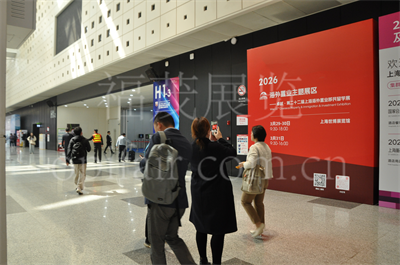
The 22nd WISE Property Expo wrapped up with great success from March 29 to 31 at the Shanghai World Expo Exhibition & Convention Center, marking another milestone for one of the industry’s most influential international real estate events. Over the course of three dynamic days, the expo brought together leading developers, agencies, and investment experts from across the globe. Exhibitors showcased a wide range of high-quality overseas property projects, covering key markets such as the United States, the United Kingdom, Australia, Canada, Southeast Asia, and more. The event attracted a large number of visitors, including investors, homebuyers, and families exploring international education and migration opportunities. The exhibition floor was vibrant and engaging, with attendees actively participating in face-to-face consultations, project presentations, and exclusive deal discussions. Many exhibitors reported strong interest and high-quality leads, reflecting continued demand for global real estate investment and diversification. In addition to property showcases, the expo also featured a series of professional seminars and forums. Industry experts shared insights on global market trends, investment strategies, immigration policies, and overseas education planning. These sessions provided valuable guidance for visitors navigating increasingly complex international markets. The success of the 22nd WISE Property Expo once again highlights Shanghai’s role as a key hub for global real estate exchange and investment. It also demonstrates the resilience and vitality of the overseas property sector in a changing economic landscape. With strong participation, high engagement, and positive feedback from both exhibitors and visitors, the event has set a new benchmark for future editions. Organizers have already begun preparations for the next expo, aiming to deliver an even more comprehensive and impactful platform for global property investment.The journey continues, and we look forward to welcoming you at the next WISE Property Expo.
 18/04/2026
When choosing a real estate project, many people face the problem of scattered information and inconsistent standards, making the judgment process complex. Different properties vary in price, location, and amenities, and without effective comparison, it’s easy to make a one-sided decision. Real estate exhibitions, by showcasing multiple types of properties in one space, bring previously scattered information together, allowing visitors to make multi-dimensional comparisons in a short time. Through on-site understanding and communication, the differences between properties are magnified, helping investors to more clearly judge their advantages and disadvantages and improve selection efficiency. Concentrated Display Makes Property Differences More Intuitive The same scene facilitates quick comparison. Different developers and projects are presented simultaneously at the exhibition, allowing visitors to directly compare prices, locations, and product types. Unified Information Reduces the Difficulty of Understanding: Observing under similar conditions makes it easier to discover the differences between properties. This method makes judging advantages and disadvantages more intuitive. On-site Communication Supplements Key Details Communication makes comparisons more in-depth. Through communication with project owners, you can understand the supporting facilities, development plans, and future development. Detailed information enhances judgment: Asking specific questions helps identify the strengths and potential weaknesses of a property. This interaction makes comparisons more comprehensive. Multi-dimensional analysis improves screening efficiency Property comparisons can be conducted from multiple perspectives, including price, location, and return potential, leading to a more complete understanding. Comprehensive judgment helps optimize choices. Screening based on one’s own needs allows for faster identification of suitable projects. This approach makes decision-making more rational. In the environment of real estate exhibitions, properties are no longer scattered information but are presented in a clear comparison through centralized display and exchange. Visitors can systematically analyze different projects through observation and communication, thereby more accurately judging their merits. This…
 13/04/2026
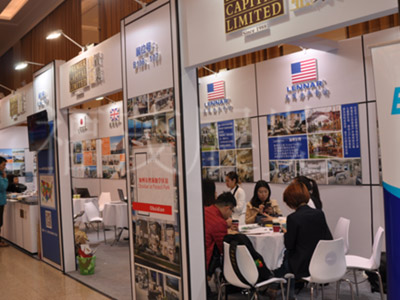
When selecting real estate projects, the source of information and the efficiency of communication often directly impact the quality of your judgment. Many people learn about properties online, but this can easily lead to information asymmetry or communication delays. Real estate exhibitions, through their centralized display format, place developers and investors in the same communication environment, making the communication path more direct. Looking at the content of overseas real estate exhibitions presented on relevant platforms, it’s clear that these events showcase the projects themselves and provide opportunities for both parties to establish connections. Through on-site communication and comparison, visitors can gain a clearer understanding of the project and thus determine whether further cooperation is possible. Developer Participation Offers Direct Communication Opportunities This format makes information acquisition more efficient. At the exhibition, developers typically set up booths to showcase their projects, allowing visitors to directly learn about property information and development background. Face-to-face communication reduces misunderstandings. This direct connection method improves communication efficiency. On-site Interaction Helps to Gain a Deeper Understanding of the Project The communication environment makes information more concrete. Visitors can ask developers about project plans, supporting facilities, and future development directions. The question-and-answer process can also resolve doubts. This interactive approach fosters a more comprehensive understanding. Multi-project comparison enhances selection and judgment The same setting facilitates horizontal comparison. Projects from different developers are presented simultaneously, allowing visitors to directly compare their characteristics. The comparison process also helps in selecting targets: by analyzing differences, suitable projects can be identified more quickly. This approach makes choices more rational. In the environment of a real estate exhibition, the distance between developers and visitors is effectively shortened, and communication becomes more direct and efficient. Visitors can obtain more authentic information and gradually build trust through interaction. This…
 10/04/2026
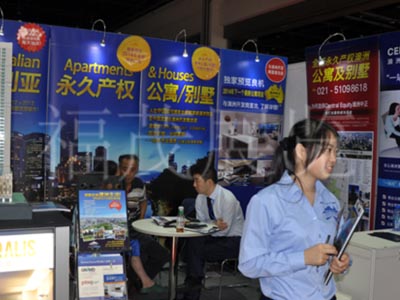
When considering overseas real estate investment, many people are keen to know whether developers participate directly in exhibitions, as this bears directly on the authenticity of information sources and the efficiency of communication. As observed through various relevant platforms, overseas real estate exhibitions typically center on project showcases and resource matchmaking, drawing a diverse array of participants into a shared environment for exchange. As key providers of these projects, developers frequently attend these exhibitions in person to engage in face-to-face dialogue with investors. This format facilitates more direct information transmission and enables visitors to gain a clearer understanding of a project’s background and specific details, thereby enhancing the accuracy of their overall assessment. Developer Participation Enhances the Directness of Information Sources The physical presence of project providers makes communication more efficient. Developers showcase their own projects at the exhibition, allowing visitors to access property listings and development updates directly. It minimizes information distortions that can arise from intermediary channels. This mode of participation fosters greater information transparency. On-Site Interaction Facilitates In-Depth Understanding of Project Details Direct communication ensures that information goes beyond mere surface-level details. Visitors can inquire with developers regarding project planning, supporting amenities, and future development trajectories. The interactive process also serves to resolve queries: by discussing specific personal requirements, visitors can better determine whether a project aligns with their expectations. This approach leads to a more comprehensive understanding. Multi-Party Participation Creates a Diverse Exhibition Structure Exhibitions feature not only developers but also other relevant stakeholders. Service agencies, consultancy teams, and other entities are often present to provide supplementary information on projects from various perspectives. Information from multiple sources strengthens the basis for decision-making: when comparing different projects and resources, investors can conduct a more comprehensive and balanced evaluation of their options. This structural diversity enriches…
 03/04/2026
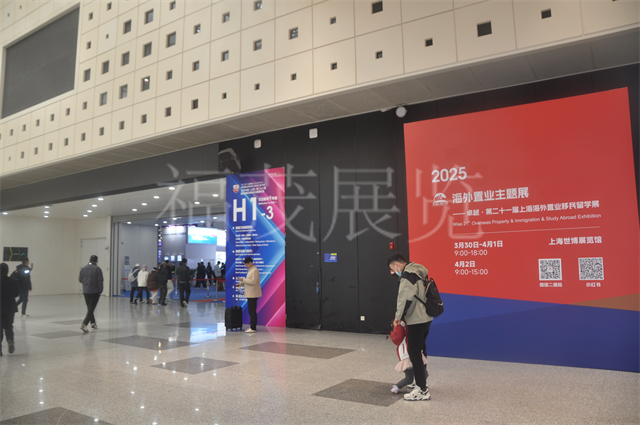
When considering attending overseas property exhibitions, many people weigh the time investment against the actual gains. With numerous information channels available, the continued value of offline exhibitions becomes a question worth considering. Overseas property exhibitions, by showcasing projects from multiple countries and providing opportunities for face-to-face interaction, allow attendees to access richer content within a limited time. This format helps to quickly build an overall understanding and makes comparison and selection more intuitive. Centralized Information Improves Time Efficiency A unified platform makes information acquisition more efficient. Exhibitions bring together property projects from multiple countries and regions, allowing attendees to browse a variety of options in a short time. Reduces Time Waste from Repeated Searches: Comprehensive information can be obtained without repeatedly searching across different channels. This centralized approach makes the time investment more valuable. On-site Interaction Enhances Judgment Speed Communication makes information understanding more direct. By communicating with project owners or consultants, key points can be quickly grasped, reducing misunderstandings. The Q&A process also speeds up the selection process: Obtaining answers tailored to individual needs helps to quickly identify areas of interest. This interaction makes decision-making more efficient. Multi-project comparison improves selection quality The same setting facilitates horizontal comparison. Different projects are presented simultaneously on-site, allowing visitors to directly compare their features and advantages. The comparison process also helps optimize choices: by analyzing differences, unsuitable options can be eliminated more quickly. This approach makes time investment more worthwhile. In the environment of overseas property exhibitions, time investment often translates into clearer information and more efficient judgment. Visitors can gain a concentrated understanding of multiple projects and gradually clarify their direction through communication and comparison. This experience helps reduce impulsive decision-making and makes subsequent actions more targeted. Furthermore, repeated participation allows for continuous refinement of judgment…
 02/04/2026
When faced with real estate investment choices, many people hesitate due to information asymmetry or unclear judgment. This is especially true when dealing with overseas markets, where differences in policies, prices, and environments across regions can easily lead to uncertainty. Real estate exhibitions, by showcasing projects in a concentrated manner and providing opportunities for on-site interaction, allow investors to access information from multiple sources in a single space. Looking at the formats of overseas real estate exhibitions presented on relevant platforms, this scenario demonstrates its ability to foster intuitive understanding. Through comparison of multiple projects and communication, initially vague judgments gradually become clearer, thereby boosting investment confidence to some extent. Concentrated Display Makes Information More Transparent and Intuitive Presenting multiple projects simultaneously helps reduce cognitive biases. Exhibitions bring together real estate projects from different countries and regions, allowing investors to directly understand prices, locations, and basic information. Intuitive information also makes it easier to form a basis for judgment: On-site observation and data acquisition reduce reliance on a single source of information. This transparency helps enhance trust. Face-to-Face Communication Enhances Understanding Depth Communication moves information beyond the surface. Investors can directly communicate with project owners or consultants to learn more details and background information. Interactive processes can also resolve doubts: Asking questions about issues of personal concern helps alleviate concerns. This in-depth understanding helps strengthen confidence in judgment. Multiple comparisons aid in rational decision-making The comparison process makes advantages and disadvantages clearer. Comparing different projects in the same environment allows for the rapid identification of differences and characteristics. The analytical process also clarifies thinking: considering price, location, and development potential helps in selecting more suitable options. This rational analysis enhances decision-making confidence. In the environment of real estate exhibitions, information acquisition and communication are more direct, allowing…
 27/03/2026
When faced with numerous overseas property projects, efficient filtering is a major concern for many investors. Relying solely on online resources or fragmented channels often leads to overwhelming information and difficulties in comparison. Overseas property exhibitions, by showcasing projects from different countries and types in a unified space, allow visitors to quickly access key information. Through on-site demonstrations and communication, the filtering process eliminates the need for repeated research, enabling initial judgments to be made quickly. This approach not only improves efficiency but also provides a more focused selection process, laying the foundation for further in-depth understanding. Centralized Display Makes the Filtering Path Clearer A unified setting reduces interference from scattered information. Multiple countries and projects presented at the same exhibition allow visitors to quickly browse different property types and price ranges. Comparing multiple projects in the same environment helps to quickly eliminate options that do not meet requirements. This method makes filtering more efficient and organized. On-site Communication Helps Identify Key Projects The interaction session makes judgments more accurate. By communicating with staff, you can quickly understand the core information of a project, such as location, purpose, and basic conditions. Asking questions can speed up the screening process: Asking questions tailored to individual needs helps narrow down the choices quickly. This interactive approach makes the screening process more relevant to actual needs. Multi-dimensional information supports rapid decision-making It not only focuses on the property itself but also involves multiple aspects. Exhibitions often include information on market conditions and policy background, providing more references for screening. Comprehensive information helps improve judgment efficiency: Combining different factors allows for a faster determination of priority projects. Multi-faceted support makes the screening process more complete. Through overseas property exhibitions, investors can access a large amount of project information in a short…
 27/03/2026
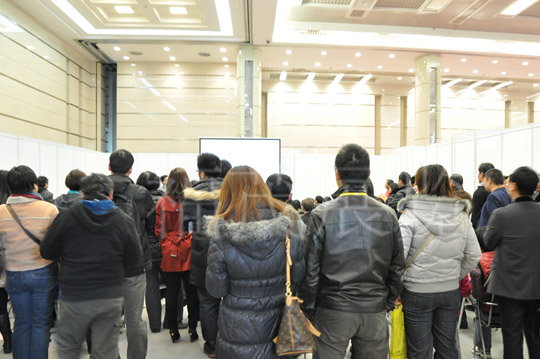
Many people attending various exhibitions when considering overseas property investment often wonder: do each event introduce new projects? Compared to a one-time visit, continuous attention allows investors to observe market changes more comprehensively. Overseas property exhibitions typically bring together project resources from multiple countries and regions, and their content is often updated based on market dynamics at different times. This allows attendees to see changes in existing projects and access new properties and investment opportunities, providing a more comprehensive understanding and more reference points for decision-making. Market Changes Drive the Emergence of New Projects The market environment at different stages affects the pace of project updates. The real estate market is influenced by factors such as policy and demand, and new projects are gradually launched along with the development cycle. Exhibition organizers introduce new properties based on market conditions, keeping the exhibits updated. Therefore, each visit offers the opportunity to access different information. Changes in Exhibitors Lead to Content Differences Changes in participants affect the exhibition presentation. Different organizations exhibiting at different times may bring their own new projects or key promotional content. The focus of the exhibition will also vary: even the same organization may adjust its project portfolio according to different stages, offering visitors new options. This fluidity allows for variation in the exhibition content. Project updates and continuations coexist Not all content will be completely replaced. Some mature projects may continue to be showcased, facilitating long-term observation and comparison by visitors. The combination of old and new makes the information more complete. This approach allows visitors to both observe changes and make continuous judgments. Overseas property exhibitions typically introduce new projects while retaining some stable resources, creating a balance between updates and continuations. Through repeated participation, investors can gradually accumulate information and develop…
 24/03/2026
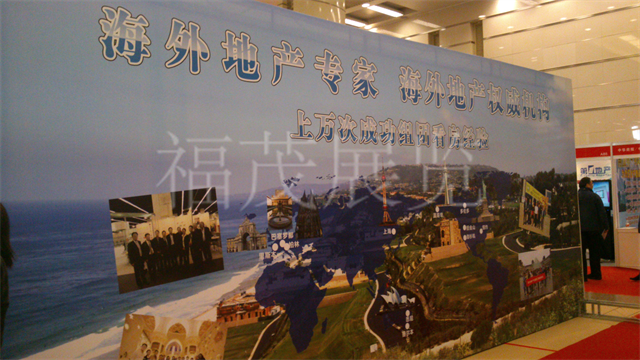
In today’s diversified investment environment, more and more people are paying attention to the rationality of asset allocation, especially turning their attention to overseas real estate markets. Faced with policy differences, market cycles, and investment thresholds across different countries, information obtained from a single channel is often insufficient for comprehensive judgment. Exposure to information from different markets in the same setting helps broaden horizons and provides more directions for asset allocation, making investment decisions more aligned with actual needs. Multi-country property showcases offer more choices for allocation This centralized presentation makes the characteristics of different markets clearer. Exhibitions typically bring together real estate projects from multiple countries and regions, allowing investors to quickly understand the price ranges and development potential of different markets. Diverse choices also make allocation strategies more flexible:Differences in property types and policies across different countries provide a basis for diversifying funds, helping to build a more balanced asset structure. Through comparisons across multiple countries, asset allocation is no longer limited to a single region. On-site communication helps understand investment logic Face-to-face communication makes information acquisition more concrete. Exhibiting organizations or consultants will introduce project backgrounds, market trends, and other content, helping investors understand the value logic of different properties. In-depth communication can also reduce information bias:Asking questions allows for a deeper understanding of details, such as holding costs and transaction processes, leading to more rational judgments. This interactive process makes allocation decisions more evidence-based. Multi-dimensional information integration enhances decision-making references Exhibitions focus not only on the property itself but also on related supporting information. This includes the local living environment, rental market, and policy conditions, providing investors with a more comprehensive reference dimension. Information integration makes planning more forward-looking. Combining real estate investment with long-term asset planning helps to form a clearer…
 20/03/2026
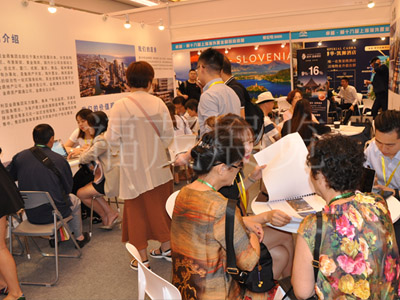
In the context of increasingly fierce competition in the real estate industry, a single customer acquisition method is no longer sufficient for long-term development. Offline exhibitions, as a highly concentrated resource-matching platform, are regaining importance. Regarding the question, “Can real estate exhibitions expand channels?”, the core value of international real estate exhibition platforms like OPI lies not only in project display but also in establishing connections between developers, distributors, and end customers. Through on-site communication and resource integration, exhibitions often create a more direct and trust-based cooperative environment than online platforms, making them a crucial method for many companies to expand their channels. Is Concentrated Acquisition of Diverse Channel Resources More Efficient? Real estate exhibitions bring together a large number of intermediaries, investment advisors, and partners, allowing companies to access different types of channel resources in a short period. Face-to-face communication makes it easier to screen for high-quality partners, reducing intermediate screening costs and improving channel expansion efficiency. Is Brand Exposure and Trust Building More Direct? At offline exhibitions, companies can enhance brand visibility and deepen the impression on potential customers through booth displays and project presentations. Real-world interactions foster trust more easily, laying the foundation for future cooperation or transactions. Is the customer acquisition path more precise? Exhibitors typically have clear investment or home-buying intentions, allowing companies to directly reach their target customer groups. On-site consultations and communication enable quick assessment of customer needs, thereby optimizing product recommendations and sales strategies. Is the industry resource integration capability improved? Exhibitions are not only sales channels but also information exchange platforms, providing insights into market trends and competitive dynamics. Establishing connections with upstream and downstream resources helps companies expand into broader cooperation models and achieve diversified channel layouts. Real estate exhibitions act as “resource amplifiers,” efficiently…
 19/03/2026
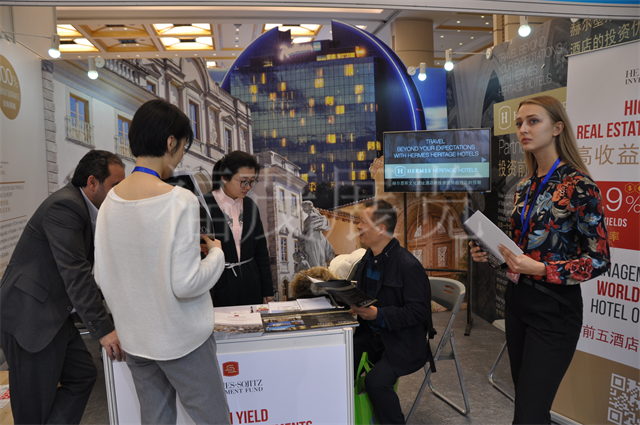
In an environment of ever-intensifying industry competition, real estate exhibitions serve as highly concentrated hubs for exchange, offering companies multifaceted opportunities to showcase their strengths, expand their channels, and gather vital information. Participation in these exhibitions not only allows a wider audience of potential clients and partners to become acquainted with the company, but also facilitates the rapid establishment of an extensive professional network within a short timeframe. Transforming the inherent value of this platform into tangible results is a key priority for many enterprises. Through systematic participation and strategic optimization, real estate exhibitions can play a constructive role in brand communication, resource integration, and business expansion—thereby providing a more solid foundation for corporate growth. Expand Brand Exposure and Enhance Market Awareness Real estate exhibitions provide companies with a centralized platform for showcasing their offerings. On-site displays reinforce visual impact:Through strategic booth design and content presentation, brands become more distinctive and recognizable. Increase industry visibility:Attract the attention of potential clients, partners, and stakeholders. The continuous accumulation of exposure helps companies establish a clearer and more defined position within the market. Facilitate Precise Matching of Clients and Projects The exhibition environment fosters efficient communication and rapid screening. Face-to-face interaction boosts efficiency:Direct dialogue makes it easier to understand specific needs and intentions. Shorten decision-making cycles:Information transparency helps accelerate the pace of potential collaborations. Precise matching ensures a more efficient and effective utilization of resources. Expand Cooperation Channels and Broaden Growth Horizons The participation of diverse stakeholders transforms exhibitions into hubs for resource convergence. Connect with various partner types:Including investors, channel distributors, and service providers. Forge diverse collaborative relationships:Opening up a wider array of growth possibilities for the company. The expansion of cooperation channels provides a sustained source of momentum for corporate development. Gather Industry Intelligence and Optimize Growth Strategies…
 Number
Call Now:
139 1723 4508
 WeChat
 Form
FormBook Your Booth
Complete your information immediately and provide you with exclusive services!
Back to Top

