-
Whatsapp
+1 689 248 1956 -
Email
joannewong0817@gmail.com

 30/05/2026
For many people interested in buying property abroad, price is the primary consideration. Choosing the right country not only reduces purchasing costs but also balances investment returns and quality of life. Property prices vary greatly across countries, influenced not only by location but also by policies, taxes, and the economic environment. Understanding these factors helps ordinary families and investors make informed overseas real estate decisions. High Cost-Performance Property Choices in Asia Asian markets are popular among investors and families due to relatively low living costs and flexible policies. In certain Malaysian cities, property prices are low, with per-square-meter prices far below those in Western countries, and the purchasing process is straightforward. Some Thai seaside and second-tier cities offer moderate property prices with stable investment potential, suitable for vacation homes or long-term living. Certain regions in the Philippines have affordable property prices and provide convenient policies for foreign buyers. Some emerging Vietnamese cities still have relatively low property prices before rapid growth, making them attractive for investment. These regions share the characteristics of low entry prices and lenient foreign ownership policies, offering high cost-performance options for ordinary investors. Recommended Low-Cost Property Countries in Europe Although Europe generally has higher living costs, some countries maintain relatively low property prices, providing opportunities for overseas buyers. In Portugal, second-tier cities have lower property prices than the capital, offering affordable purchase costs and a pleasant living environment. Certain coastal cities and islands in Greece have cheap property prices and offer golden visa programs to attract investment. Some inland cities in Spain have lower property prices, suitable for overseas buyers on a limited budget. Low-cost properties reduce entry barriers while offering potential for good investment returns, suitable for long-term residence or immigration purposes. Recommended Cost-Effective Properties in the Americas The Americas vary widely between…
 26/05/2026
When people consider overseas asset allocation, one of the most common questions is how much it actually costs to buy a house in the United States. However, there is no single answer, because prices vary widely across states, cities, and property types—from hundreds of thousands of dollars to several million or even tens of millions. In addition, buyers must also consider down payments, taxes, insurance, and long-term holding costs. Therefore, the real cost of buying a home in the U.S. is a combined budget rather than just a listing price. What Is the General Price Range of U.S. Homes? Overall, U.S. housing prices differ greatly depending on region and city tier, ranging from affordable entry-level homes to ultra-luxury estates. In the Midwest and some Southern cities, homes typically cost $200,000–$500,000 for entry-level investment opportunities In fast-growing cities like Austin and Miami, prices range from $400,000–$800,000 with strong rental demand In major cities such as New York and Los Angeles, typical homes often exceed $800,000–$2,000,000 Luxury properties in prime locations can reach several million or even tens of millions of dollars Main Cost Components of Buying a House in the U.S. Beyond the purchase price itself, the total cost of buying a home in the U.S. includes several additional mandatory expenses. The down payment is usually 20%–30% of the property price and is the largest upfront cost Property tax is generally 1%–3% per year depending on the state Home insurance covers risks such as fire, floods, and natural disasters Closing costs include legal fees, registration fees, and transaction services Maintenance and HOA fees cover repairs and community management costs over time What Can You Buy With Different Budgets in the U.S.? Depending on your budget level, the type of property you can access in the U.S. market varies significantly….
 22/05/2026
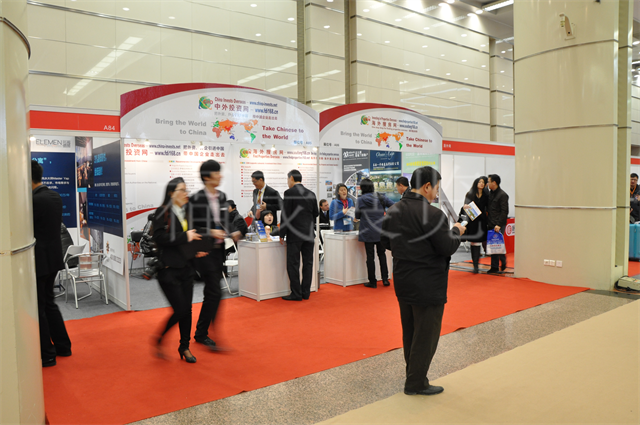
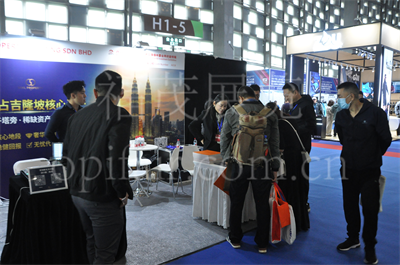
As global asset allocation becomes increasingly popular, the keyword “overseas real estate exhibition” is attracting more and more attention from investors. Whether people want to explore international property markets, find investment opportunities, or access immigration and education-related resources, exhibitions seem to offer a centralized information platform. However, many still ask: Are these exhibitions really reliable? Are the projects genuine, or just marketing promotions? In reality, overseas real estate exhibitions are not simply “reliable or unreliable”—their value depends on the quality of the event and the investor’s ability to evaluate and filter information. What Exactly Is an Overseas Real Estate Exhibition? An exhibition is essentially a centralized platform for information and resource display. A showcase platform for developers and projects Exhibitions bring together real estate developers from different countries, presenting residential, commercial, and investment properties. A hub for investment and immigration information Many exhibitions also include immigration policies and education-related services alongside real estate offerings. A gathering place for agencies and service providers This includes lawyers, mortgage providers, and asset management companies offering supporting services. A window into market trends Some high-quality exhibitions also present industry reports and real estate market analysis. Are Overseas Real Estate Exhibitions Reliable? Key Evaluation Factors There is no absolute “reliable or unreliable” label—the key lies in quality assessment. Presence of reputable organizers Events backed by industry associations or large exhibition companies are generally more trustworthy. Verifiable developers and projects Investors should check whether developers are officially registered and legally traceable. Availability of full legal documentation Including ownership certificates, land records, and construction standards. Unrealistic return promises Be cautious if an exhibition guarantees “fixed high returns” or “zero risk” investments. Transparency of information Reliable exhibitions allow detailed questions, contract reviews, and real case references. Real Value of Attending Overseas Real Estate Exhibitions When properly…
 22/05/2026
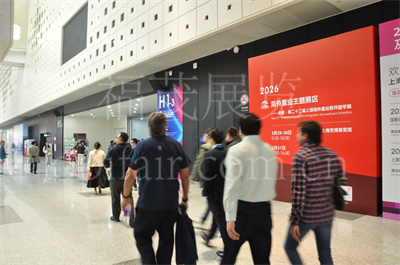
Against the backdrop of increasingly diverse methods for purchasing property abroad, various buying models—such as full cash payment, mortgage financing, developer installment plans, and shared ownership—have gradually come into the view of investors. However, given the significant institutional differences between countries, relying solely on a single information channel makes it difficult to systematically grasp the distinctions between these various models. Real estate exhibitions bring together property projects and purchasing methods from multiple nations, allowing visitors to gain an intuitive understanding of different buying models within a single setting, thereby enabling them to more clearly grasp the underlying logic of purchasing property overseas. Multi-National Project Showcases Present Diverse Buying Methods Centralized Display of Models from Different Countries Real estate exhibitions typically feature property projects from numerous nations:since purchasing regulations and models vary across countries, these events facilitate easy side-by-side comparisons that aid comprehension. Visitors can simultaneously view and compare various purchasing methods, including full cash payments, installment plans, and mortgage financing. This centralized presentation makes the different property-buying models much more intuitive. On-Site Explanations Clarify Procedural Differences Face-to-Face Interactions Enhance Comprehension Efficiency The developer or agent will explain the specific procedures and financial arrangements for different home purchase models. Visitors can directly inquire about key details such as the loan ratio and payment milestones. On-site communication ensures that the entire purchasing process becomes much clearer. Multi-Dimensional Comparisons Aid in Selecting the Right Model Comparative Analysis Strengthens Decision-Making Capabilities Different purchasing models present distinct differences in terms of financial burden, timeframes, and risk levels, necessitating a choice based on one’s own specific circumstances. Investors can determine the most suitable purchasing method based on their budget and intended use for the property, thereby optimizing their decision-making process. Consequently, this comparative analysis ensures that the final choice is more rational and well-informed….
 20/05/2026
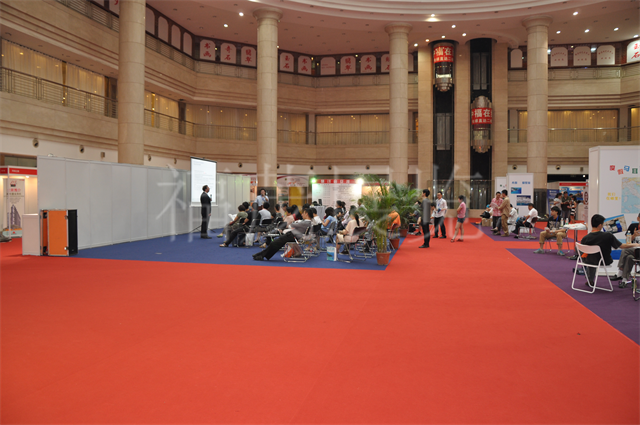
In recent years, real estate investment has become more than just a strategy for high-net-worth individuals. It is now increasingly viewed as an effective way for ordinary investors to grow wealth and generate stable income. With ongoing inflation concerns and economic uncertainty, more people are turning to property investment for long-term financial security. However, for beginners, real estate often appears complicated, expensive, and risky. The good news is that with the right knowledge and investment strategy, even first-time investors can gradually build a successful real estate portfolio. What Should Beginners Understand Before Investing in Real Estate? Before investing money, it is important to build the right mindset and understanding. Define your investment goals Some investors focus on rental cash flow, while others prioritize long-term property appreciation. Different goals require different strategies. Evaluate your financial capacity Besides the down payment, investors should prepare for taxes, renovation costs, maintenance fees, and vacancy risks. Understand the investment timeline Real estate is generally a medium- to long-term investment, and quick profits are not always realistic. Develop risk awareness Market fluctuations, policy changes, and rental demand can all affect returns. Which Types of Real Estate Investments Are Suitable for Beginners? Different investment models require different levels of capital and experience. Residential rental properties The most common and beginner-friendly approach, generating stable rental income through long-term leasing. Short-term rentals or vacation properties Suitable for tourism cities, but they require stronger operational and management skills. Overseas real estate investment Allows global asset diversification, though investors must consider exchange rates and local regulations. Commercial property investment Potentially higher returns, but also higher risks and larger capital requirements. Real estate funds or REITs A lower-barrier option for beginners who want exposure to the property market without directly owning property. How Can Beginners Choose Promising Cities and Locations?…
 19/05/2026
In an environment of global low interest rates and fluctuating inflation, overseas real estate has become an important asset allocation choice for many investors. Among various indicators, rental yield is one of the most critical metrics for evaluating property investment value. Different countries show significant variations in rental returns due to differences in economic structure, population growth, tax policies, and market maturity. Some markets provide strong and stable cash flow, while others focus more on capital appreciation. Therefore, identifying high-yield countries is essentially a global comparison of “cash flow efficiency.” Representative Countries with High Rental Yields Different market stages lead to varying levels of rental returns. United Arab Emirates (Dubai) Dubai is one of the highest rental yield markets globally, typically ranging from 6% to 9%. A large expatriate population ensures strong rental demand, and the short-term rental market is particularly active. Turkey (Istanbul) Property prices are relatively low, while rental demand remains strong. Overall yields can reach 7% to 10%, with some areas even higher, making it attractive for cash-flow-focused investors. Portugal (Lisbon, Porto) One of the few stable high-yield markets in Europe, with returns around 4% to 7%. It benefits from both long-term rentals and tourism-driven short-term rentals. Certain U.S. Regions (Texas, Florida, etc.) While major cities have lower yields, emerging cities can achieve 5% to 8%, supported by continuous population inflows. Structural Drivers Behind High Rental Yield Markets High returns are not random—they are driven by underlying market fundamentals. Population inflow and urban expansion drive demand Cities with immigration or economic growth naturally generate stronger rental demand. Imbalance between property prices and income levels Lower property prices combined with stable rent levels result in higher yields. Strong tourism and short-term rental markets Cities like Dubai and Barcelona benefit significantly from short-term rental income. High level of…
 19/05/2026
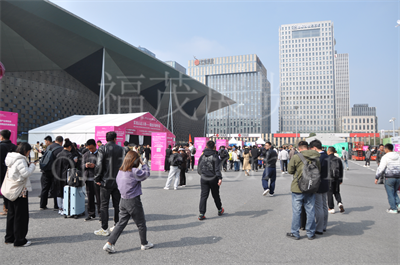
With the overseas real estate market constantly evolving, many investors focus on which countries and cities are becoming new hotspots. However, due to the fragmented nature of information sources in overseas markets, and the rapid changes in policies, housing price trends, and investment demands across different countries, relying solely on online searches often fails to provide a comprehensive assessment. Overseas property exhibitions bring together project resources from multiple countries and regions, allowing visitors to more efficiently acquire information on market hotspots through on-site interactions and project comparisons, thereby enhancing their understanding of overseas real estate trends. Multi-country Project Showcase Makes Hotspot Discovery Information on Popular Regions Presented Simultaneously Overseas property exhibitions typically gather projects from multiple countries and cities, providing a quick overview of current market focus. The number of projects reflects market activity:a concentration of projects from certain countries or cities often indicates high market interest in that region. This approach helps identify popular areas. On-site Interactions Enhance Market Trend Understanding Face-to-face communication deepens information. Developers or consultants introduce local real estate market changes, rental demand, and development plans. This reduces one-sided understanding of the market:consultations allow for insights into the reasons and development logic behind hotspots. This approach improves trend judgment. Multi-project comparison enhances market understanding Horizontal analysis makes differences more apparent. Different countries and cities differ in terms of prices, returns, and policy environments. Simultaneously, the comparison process helps identify hot spots; investors can determine which areas have greater development potential, thus optimizing investment direction. In the overall experience of overseas property exhibitions, market hotspot information is no longer fragmented data, but rather a clear understanding gradually formed through concentrated displays and on-site exchanges. Visitors can access property projects from multiple countries and cities in a short period and understand the development trends of…
 18/05/2026
As global asset allocation becomes increasingly common, overseas real estate investment is attracting more attention from both high-net-worth individuals and middle-class families. However, there is no fixed answer to “how much money is needed to start,” as the entry cost varies greatly depending on the country, property type, financing options, and tax structure. Some markets allow entry with just a few hundred thousand dollars, while prime global cities may require over one million dollars. More importantly, beyond the property price itself, there are additional costs such as taxes, financing fees, and holding expenses. Without a clear understanding of the full cost structure, investors may underestimate the total budget and face unnecessary financial pressure. Core Components of Startup Capital in Overseas Real Estate Buying property overseas involves more than just paying the purchase price. The total capital structure usually includes several key parts. Down Payment (Main Cost Component) Typically ranges from 20% to 70% of the property price. Foreign buyers in some markets may face higher down payment requirements, especially in premium cities or investment-focused properties. Taxes and Government Fees These include stamp duty, registration fees, and land transfer taxes, usually accounting for 3%–15% of the property price depending on the country. Legal and Agency Fees Overseas transactions usually require legal services, costing around 1%–3%. In some regions, agent commissions are also shared between buyer and seller. Financing Costs (If Using a Mortgage) These include interest rates, appraisal fees, and loan processing charges, which can significantly impact long-term cash flow. Differences in Capital Requirements Across Countries Entry thresholds vary significantly by region, directly influencing investment strategy. Southeast Asia (Thailand, Malaysia, etc.) Relatively low entry cost, typically $200,000–$500,000 for quality condominium investments. North America (United States, Canada) Moderate to high entry cost, with major cities requiring $500,000–$1.5 million or more. Europe…
 16/05/2026
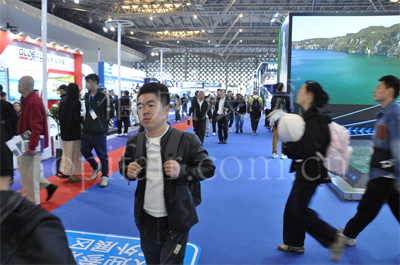
Against the backdrop of increasingly diversified overseas asset allocation, apartment investment has gradually become a focus for many investors. However, due to differences in housing systems, rental markets, and return structures across countries, many find it difficult to fully understand the true nature of apartment investments through a single channel. Overseas property exhibitions showcase apartment projects from multiple countries, providing on-site explanations and exchanges, allowing visitors to more intuitively understand the investment logic and market characteristics of apartments. Concentrated Apartment Project Display for a More Intuitive Experience Apartment products from multiple countries are presented together. Overseas property exhibitions typically bring together residential and apartment projects from different countries, facilitating a concentrated understanding of investment types. Visitors can compare apartment prices and returns in different cities within a single environment. This approach enhances basic understanding. On-site Explanations Help Understand Investment Structures Face-to-face communication enhances information transparency. Developers or consultants will introduce apartment rental income, holding costs, and management methods. This reduces information misunderstandings; direct consultation is available on issues such as investment cycles and return models. This approach deepens understanding. Multiple Project Comparisons Optimize Investment Judgments Horizontal analysis clarifies differences. Apartments vary across countries in terms of yield, market demand, and policy environment. By filtering based on demand, investors can select suitable projects according to their capital size and risk appetite. This approach improves decision-making efficiency. In the overall experience of overseas property exhibitions, apartment investment is no longer fragmented information, but rather a systematic understanding gradually formed through centralized displays and on-site communication. Visitors can learn about apartment markets in multiple countries in a short time and establish a clearer judgment framework through comparative analysis, thereby reducing errors caused by information asymmetry. This structured information acquisition method makes understanding apartment investment more intuitive and provides a more…
 12/05/2026
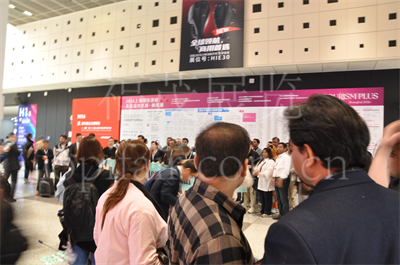
With overseas property investment increasingly becoming a popular asset allocation and lifestyle planning option, many people’s initial concern isn’t “to buy or not to buy,” but rather “is the process clear?” Different countries differ significantly in their eligibility requirements, transaction procedures, fund supervision, and legal systems. Without systematic information, misunderstandings can easily arise in practice. Real estate exhibitions showcase property projects and home-buying services from multiple countries, allowing visitors to understand the entire path from property selection to transaction in a unified setting, thus gaining a more intuitive grasp of the overseas property buying process. Centralized Display Makes the Buying Process Clearer Multiple countries’ buying steps are presented simultaneously. Real estate exhibitions typically cover projects from multiple countries, simultaneously explaining local buying processes and basic rules. Concentrated information facilitates overall understanding; visitors can quickly compare differences in the buying process across different countries. This approach reduces the difficulty of understanding the process. On-site Explanation Supplements Key Operational Details Face-to-face communication enhances process transparency. Developers or agents explain the specific steps from property selection and signing to handover. This reduces information gaps; visitors can ask questions about payment, title transfer, and other related issues. This communication enhances practical understanding. Multi-project comparisons help understand process differences Horizontal comparisons make the process more intuitive, as different countries differ in purchase cycles, legal requirements, and procedural complexity. Furthermore, case studies facilitate understanding; comparing multiple projects helps determine which process best suits one’s circumstances, optimizing decision-making. In the overall experience of real estate exhibitions, overseas property purchase processes are no longer fragmented and abstract information, but become clearer through centralized displays and on-site explanations. Visitors can quickly understand the purchase steps in multiple countries and build a comprehensive understanding through comparison and consultation, thereby reducing operational uncertainty. This information integration makes overseas…
07/05/2026
Amidst an ever-expanding array of choices in the real estate market, many homebuyers and investors—beyond simply evaluating the properties themselves—place particular emphasis on securing more favorable pricing and value-added services. Unlike the piecemeal information gathered through daily channels, real estate exhibitions typically showcase a concentrated selection of property developments from various countries or regions. By integrating on-site activities with periodic promotional offers, these exhibitions have emerged as a vital avenue for many to gain market insights and access exclusive deals. Through direct presentations by developers and side-by-side project comparisons, visitors can gain a comprehensive understanding of available listings and more easily access promotional details that are not typically made public through standard channels. Exhibitions Offer Easier Access to Limited-Time Promotions Centralized events drive the introduction of exclusive policies. Many developers offer periodic discounts or special incentives during real estate exhibitions to attract on-site attendees. Promotional offers are showcased in a centralized manner, allowing visitors to quickly gauge the magnitude of discounts across various projects within a single setting. This approach significantly enhances the efficiency with which visitors can access information regarding promotional offers. Direct Communication with Developers Enhances Price Transparency Face-to-face interactions minimize informational discrepancies. At the exhibition venue, developers typically present project pricing and current policy details directly to visitors. It becomes easier to ascertain the true extent of available discounts; furthermore, through on-site consultations, visitors may uncover information regarding additional services or supplementary benefits. This direct mode of communication ensures greater clarity regarding pricing information. Multi-Project Comparisons Help Identify Superior Value Comparative analysis highlights key differences. By simultaneously showcasing real estate projects from diverse regions and property types, exhibitions facilitate easy comparisons of pricing and promotional packages. The comparison process streamlines the selection and filtering of options. This method optimizes the overall experience of choosing a…
 29/04/2026
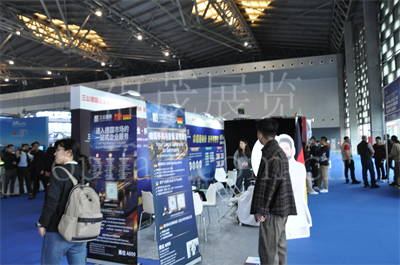
Against the backdrop of increasing demand for real estate investment and overseas property purchases, many homebuyers pay close attention to whether exhibitions can offer more favorable prices or exclusive resources. Real estate exhibitions showcase property projects from multiple countries and regions, providing project information for comparison, and often including on-site explanations of developer policies and temporary discounts. These exhibitions have indeed become an important channel for obtaining preferential information to a certain extent. Concentrated Display Makes It Easier to Unlock Limited-Time Offers Exhibitions often feature temporary promotional information, with some developers offering exclusive discounts or purchase packages during the exhibition to increase on-site sales. Furthermore, the more concentrated presentation of preferential information, with multiple projects displayed simultaneously, allows visitors to directly compare different discount levels. This environment increases the chances of obtaining preferential treatment. Direct Developer Participation Brings Price Advantages Reduced communication costs from intermediaries. Exhibitions are usually attended directly by developers or primary agents, resulting in greater information transparency. Easier access to accurate pricing policies; on-site communication often reveals whether there are internal prices or temporary discount schemes. This model increases negotiating power. Multiple Project Comparisons Help Discover Hidden Discounts Horizontal comparisons make discounts clearer. Showcasing projects from different countries or cities simultaneously allows for quick assessment of price differences and discounts. Additional benefits, such as tax breaks or complimentary services, are more easily discovered during the comparison process. This approach enhances the advantage of choice. In the actual experience of real estate exhibitions, promotional information is often not presented in isolation, but rather integrated with project displays, policy explanations, and on-site discussions. Visitors can access the latest policies from multiple developers in a short period, obtaining more valuable information through comparison and communication, thereby improving decision-making efficiency and expanding their selection. This centralized display method…
 Number
Call Now:
139 1723 4508
 WeChat
 Form
FormBook Your Booth
Complete your information immediately and provide you with exclusive services!
Back to Top

